
News
World silent as drone strikes, extreme hunger ravage El Obeid families

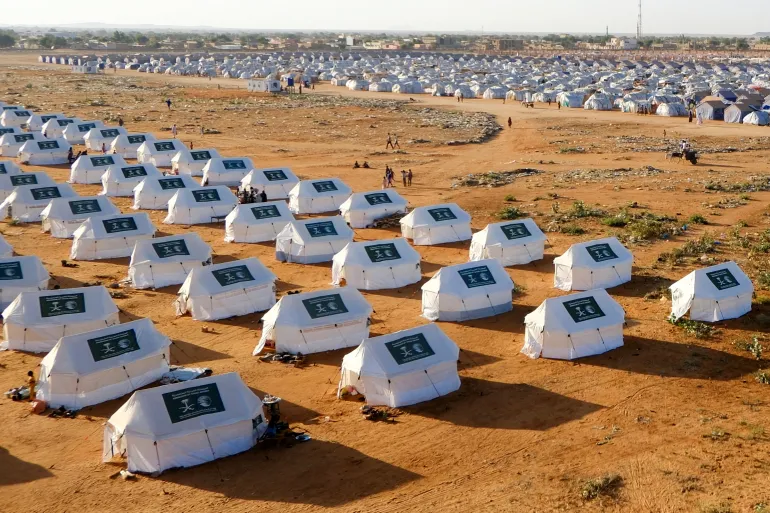
The world has maintained a deafening silence as families in El Obeid, North Kordofan, in Sudan are dying in drone strikes and facing extreme hunger despite repeated warnings.
The city, increasingly encircled, is facing drone attacks and growing fears of a wider assault by the Rapid Support Forces (RSF). The Norwegian Refugee Council (NRC) and partners had warned two weeks ago that atrocities could follow such a move. But reports from the ground show that for many families still inside, the nightmare is already unfolding.
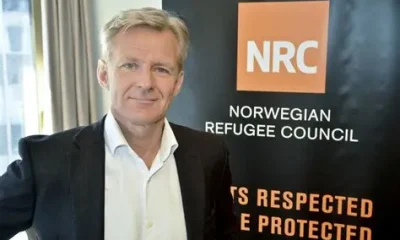
“In El Obeid, families are starving while dodging indiscriminate attacks just to stay alive,” said NRC Secretary General Jan Egeland. “The world has been warned about this crisis and let it happen anyway.”
At least 45 civilians were killed in the city in just three weeks in June, according to the UN, as drone attacks repeatedly hit markets, schools, fuel stations, water infrastructure and vehicles. Just last week, an aid convoy, on the way to the city, was hit by a strike. In some areas, no aid has reached families for months, according to local partners.
NRC calls for immediate protection of civilians, aid workers and local responders in and around El Obeid, including concrete steps to stop strikes on hospitals, schools, markets and water, electricity and fuel infrastructure. Emergency funding is urgently needed as well as unfettered humanitarian access to El Obeid and the Kordofans.
The crisis is pressing into the most basic parts of daily life. With water facilities out of service, families have to queue for long hours to get water that is often unsafe for drinking. Once they manage to bring water home, they must choose whether to use it to drink, cook or wash. As the rainy season begins, the threat of cholera and other water-borne diseases is looming.
Many families are forced to mix flour with water just to fill their children’s stomachs because nothing else is left or they cannot afford the spiralling food prices.
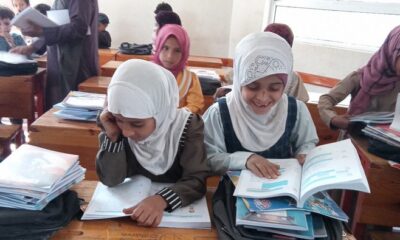
Schools are kept open despite the violence to offer children a sense of normalcy. But, each week, multiple strikes have forced NRC and partners to suspend classes on some days. In some classrooms, children’s play has turned into re-enactments of shelling, and many can now name weapons by the sound they make alone.
“Children go to school with no water, no electricity and no food, in buildings that cannot protect them from the strikes overhead,” said Egeland. “At times, local responders deliver aid at night, because daylight has become more dangerous than darkness.”
With fuel stations struck or shut and vehicles targeted on the roads, transport costs have soared. NRC staff report that one litre of fuel now costs more than a teacher’s monthly salary. Some families are selling their belongings to afford a way out, but most simply cannot.
For many of the city’s displaced people who already escaped horrors in Al Fasher and other devastated areas, there is nowhere else to go. More families are also arriving, fleeing the violence around the city. They now risk living the very horrors they tried to escape.
“The atrocities committed throughout this war leave no doubt about what is at stake. The international community must now exert maximum pressure on the warring parties and those with influence over them. History will judge not only those who committed these crimes, but also those who had the power to help prevent them and failed to act,” said Egeland.








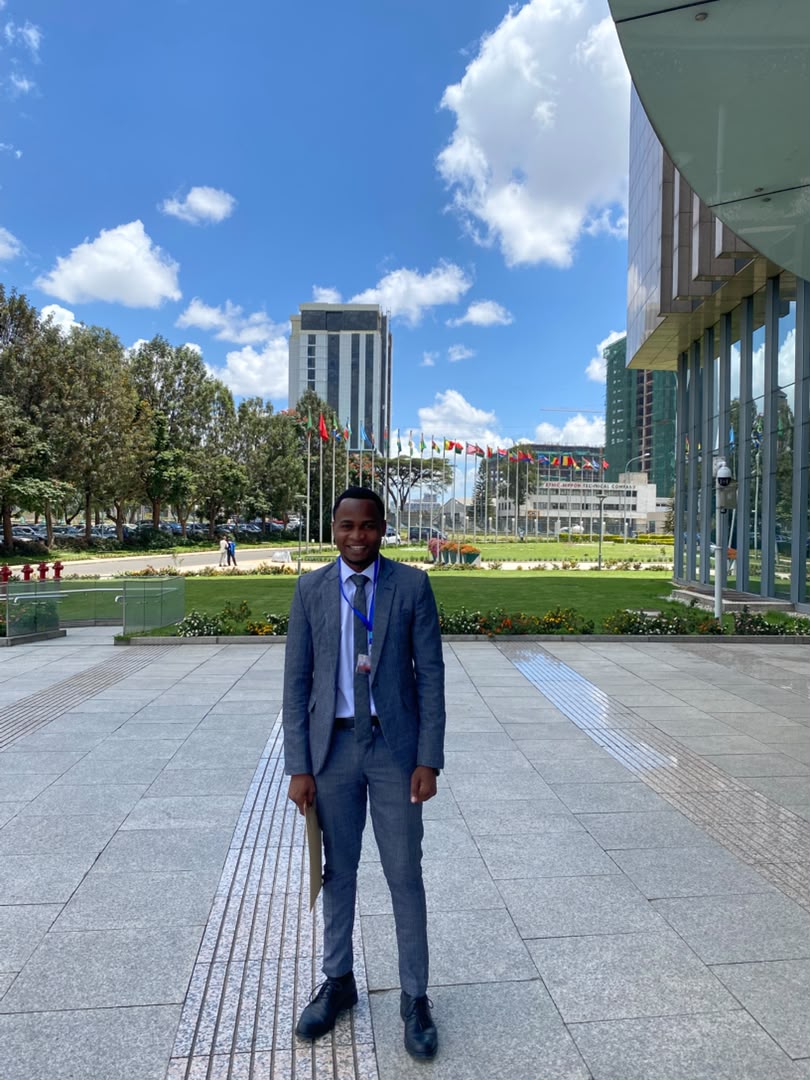
A Ugandan lawyer and youth advocate, Mwanje Gideon, has called on the African Union (AU) to urgently introduce a continental digital currency, invest in youth development, remove barriers to movement across Africa and reject migration agreements that turn African countries into offshore detention centres for European nations.
Gideon, alias Batapa, born on 8th April 2000, in Bamunaniika, Luwero, Uganda said the measures were necessary to accelerate Africa’s economic integration, strengthen its sovereignty, create employment opportunities for young people and protect the dignity of migrants and asylum seekers.
He made the appeal in a letter dated September 10, 2026, addressed to the Chairperson of the African Union Commission at the AU headquarters in Addis Ababa, Ethiopia. He physically went to submit the letter at the AU headquarters.
In the letter titled “Urgent Priorities for Africa’s Economic Integration, Youth, and Sovereignty,” the Kampala-based lawyer acknowledged the progress made towards continental unity through the establishment of the Organisation of African Unity, its transformation into the African Union and the introduction of the African Continental Free Trade Area (AfCFTA).
He, however, expressed concern that Africa continued to face significant economic, political and migration challenges despite decades of commitments to regional integration.
According to him, the rapidly changing global political and economic landscape demands urgent and practical measures to safeguard Africa’s future.
Gideon identified four priority areas requiring immediate intervention by the continental body.
Calls for African digital currency
On economic integration, the lawyer advocated the development of a secure continental digital currency specifically designed to facilitate cross-border trade among African countries.
He argued that the current reliance on foreign currencies for transactions between African countries was undermining regional trade and draining valuable financial resources from the continent.
“Today, a trader in East Africa selling goods to West Africa often has to convert local money into foreign currencies first, paying heavy transaction fees and losing valuable capital along the way,” he said.
Gideon maintained that although the long-term ambition of establishing a unified African currency remained important, businesses could not afford to wait indefinitely for its realisation.
He proposed the introduction of a digital Afro currency that would enable African businesses to conduct transactions seamlessly across borders.
“A digital Afro currency would allow African businesses to buy and sell from one another seamlessly, keep financial value within our continent, and build real economic independence,” he stated.
He said such an initiative would strengthen intra-African trade, reduce transaction costs and accelerate the continent’s economic integration.
Seeks investment in sports, technology for African youth
The lawyer also urged African governments to prioritise investment in sports infrastructure, technology development, digital education and innovation centres as part of efforts to tackle youth unemployment.
He noted that Africa, despite having the world’s youngest population, continued to struggle with inadequate employment and economic opportunities for millions of young people.
According to him, the global sports industry generates more than $500 billion annually through broadcasting rights, sponsorships, merchandise, sports tourism and other commercial activities.
Gideon cited Senegalese football star Sadio Mané and Egyptian international Mohamed Salah as examples of African athletes whose success had contributed to economic development in their home countries.
He claimed that Mané had invested more than $20 million in his hometown of Bambali, Senegal, supporting projects ranging from healthcare and education to agro-industrial development.
According to him, the investments have created employment opportunities, reduced poverty and strengthened the local economy.
He also highlighted Salah’s contributions to healthcare, youth development and community infrastructure in Egypt.
Gideon argued that developing more internationally competitive African athletes could generate substantial foreign exchange earnings and stimulate local economic growth.
“If Africa produces 1,000 elite athletes operating at Sadio Mané or Mohamed Salah’s market value across various international disciplines, the economy would see a direct capital injection exceeding $500 million in foreign currency inflows, transfer fees, and player remittances,” he said.
He urged the AU and member states to recognise sports as a major economic sector rather than merely a recreational activity.
“Sports are no longer just recreation; they are a major global industry that creates millions of jobs, builds local economies, and unites communities,” he said.
He added that investments in technology hubs, innovation centres and digital education would equip young Africans with the skills required to develop globally competitive products without leaving their home countries.
“Investing in our youth is the most critical economic investment Africa can make today,” Gideon declared.
Demands visa-free movement across Africa
On regional mobility, Gideon expressed concern that African citizens continued to encounter restrictive immigration procedures, high visa fees and lengthy processing times when travelling between countries on the continent.
He described the situation as inconsistent with Africa’s ambition to achieve economic and political integration.
The lawyer particularly criticised travel restrictions affecting African citizens attending meetings, conducting business or participating in civil society activities in cities hosting major continental institutions.
He identified Addis Ababa, Ethiopia, and Banjul, The Gambia, among important diplomatic destinations where easier movement should be guaranteed.
Gideon called on the African Union to introduce a mandatory policy granting African passport holders free visa-on-arrival access for at least four days when visiting member states hosting major continental headquarters.
According to him, the proposed arrangement would enable entrepreneurs, civil society representatives and other African citizens to conduct legitimate activities without unnecessary immigration difficulties.
“This short pass would give visitors enough time to complete their business calmly, rather than rushing through important meetings just to avoid immigration penalties,” he explained.
He maintained that removing unnecessary travel barriers would promote regional cooperation, strengthen people-to-people relations and bring the continent closer to achieving a borderless Africa.
Warns against Europe’s migration externalisation policies
Gideon also called for stronger African Union intervention against the externalisation of European migration and border control policies to African countries.
He expressed concern over arrangements under which European governments seek agreements with African states to host, process or detain migrants and asylum seekers in exchange for financial assistance or development funding.
The lawyer warned that such agreements could undermine Africa’s sovereignty and expose vulnerable migrants to human rights violations.
“Exchanging human beings for money is a deeply dangerous path that echoes the darkest chapters of our continent’s history,” he said.
He argued that wealthy countries should not transfer their international refugee protection responsibilities to African nations through financial arrangements.
According to him, the responsibility to protect people fleeing persecution must be shared in accordance with international refugee law and the principle of non-refoulement, which prohibits returning individuals to places where they face serious threats to their lives or freedom.
“Western nations must not be allowed to contract out their international duties simply because African hospitality, our spirit of Karibu, is warm and welcoming,” he stated.
Gideon urged the African Union to investigate existing migration cooperation agreements between African and European countries to determine whether they comply with international human rights standards.
He also called on the continental body to publicly condemn agreements that compromise migrant dignity in exchange for financial benefits.
“The African Union must investigate all existing migration deals, publicly condemn those that trade human dignity for funds, and warn member states against entering into arrangements that turn our land into offshore detention centers,” he said.
The lawyer maintained that African countries must resist becoming holding centres for migrants rejected or transferred by European governments.
He stressed that Africa’s traditional hospitality should not be exploited to justify arrangements that shift migration management responsibilities away from countries with obligations to protect asylum seekers.
Urges AU to demonstrate stronger leadership
Gideon concluded by urging the African Union Commission to demonstrate decisive leadership in advancing continental economic independence, youth empowerment, freedom of movement and migrant protection.
He maintained that the proposed initiatives were interconnected and essential to achieving a prosperous, united and sovereign Africa.
According to him, a continental digital currency would facilitate trade, investment in sports and technology would empower young people, relaxed travel restrictions would strengthen integration, while rejecting exploitative migration agreements would protect Africa’s dignity and independence.
He said millions of Africans were looking to the continental organisation to translate its longstanding commitments into practical policies that would improve their lives.
“These four priorities—a digital currency for trade, youth development through sports and tech, borderless Africa, easier travel to continental hubs, and the defense of human dignity against unfair migration deals—are essential steps for a truly sovereign Africa,” he said.
“With those four points, if realised, we shall start to see a unified Africa,” Gideon added.
News
Les États-Unis s’apprêtent à expulser un nouveau groupe de Nigérians pour des infractions pénales présumées
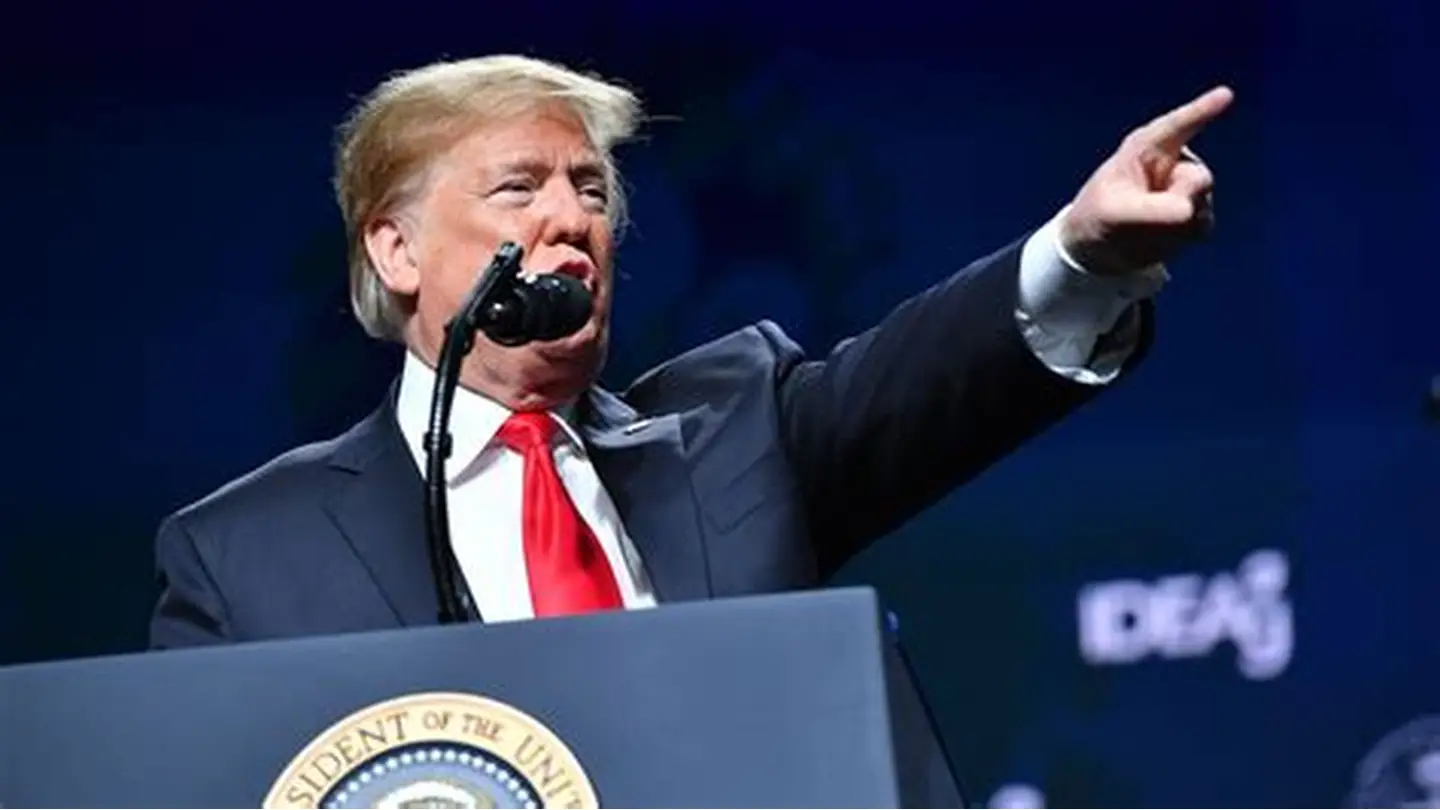
Le Département américain de la Sécurité intérieure (DHS) a publié les noms de 24 Nigérians arrêtés par les autorités de l’immigration pour des infractions pénales présumées, alors que le pays intensifie sa campagne d’expulsions.
Le département a rendu publics les noms et les photographies des ressortissants nigérians qui auraient été interpellés par le Service américain de l’immigration et des douanes (ICE) dans différentes localités des États-Unis.
Les infractions présumées vont de la fraude postale et électronique au blanchiment d’argent, en passant par des délits liés à la drogue, l’usurpation d’identité, les agressions, le faux et les actes de cruauté envers un enfant.
Dans un communiqué, le DHS a indiqué que cette publication visait à mettre en lumière des ressortissants étrangers ayant des antécédents judiciaires et ayant été arrêtés par les agents chargés de l’application des lois sur l’immigration.
« Le Département américain de la Sécurité intérieure met en lumière les pires criminels étrangers arrêtés par le Service américain de l’immigration et des douanes (ICE) », indique le communiqué.
Il ajoute : « Sous la direction du DHS, les hommes et les femmes dévoués du DHS et de l’ICE tiennent la promesse du président Trump et procèdent à des expulsions massives, en commençant par les pires criminels, notamment les étrangers en situation irrégulière que vous voyez ici. »
Selon les informations publiées par le département, les 24 Nigérians ont été arrêtés dans différentes villes et différents centres de détention à travers les États-Unis.
Parmi les personnes citées figurent Emmanuel Omowaiye, arrêté à Richmond, au Texas, pour une fraude postale présumée ; Laurene Onwuka, interpellée à Chantilly, en Virginie, pour des faits présumés de fraude et d’usurpation d’identité ; Olusegun Shonekan, arrêté à Newark, dans le New Jersey, pour une fraude électronique présumée ; et Olusegun Olaseni, interpellé à Greencastle, dans l’Indiana, pour une infraction présumée liée à la vente d’amphétamines.
Les autres personnes citées sont Peter Ude, arrêté à Atlanta, en Géorgie, pour une fraude électronique présumée ; Newton Jemide, interpellé à Fort Dix, dans le New Jersey, pour des faits présumés de fraude électronique, de complot et de fraude postale ; Shedrack Umukoro, arrêté à Yazoo City, dans le Mississippi, pour blanchiment d’argent présumé ; et Olasoji Akinbode, interpellé à Kearny, dans le New Jersey, pour des faits présumés de fraude et d’usurpation d’identité.
La liste comprend également Oluwatosin Afolabi, arrêté à Conroe, au Texas, pour fraude présumée ; Alameen Adetunji Tokosi, interpellé à Chicago, dans l’Illinois, pour possession présumée de stupéfiants ; et Joshua Ipoade, arrêté à Atlanta, en Géorgie, pour une fraude électronique présumée.
Michael Orji, arrêté à Oxford, dans le Wisconsin, fait l’objet d’accusations mentionnées portant notamment sur des infractions liées aux armes, la fraude, l’usurpation d’identité, la fraude électronique, de fausses déclarations relatives à la citoyenneté et le blanchiment d’argent. Ahmadu Apooyin a été interpellé à Baltimore, dans le Maryland, pour une infraction liée à la drogue, tandis que Teslim Kiriji a été arrêté à Yazoo City, dans le Mississippi, pour blanchiment d’argent présumé.
Figurent également sur la liste Onomen Uduebor, arrêté à Seattle, dans l’État de Washington, pour une usurpation d’identité présumée, ainsi que Charles Ochi et Daniel Eta, tous deux interpellés à White Deer, en Pennsylvanie, respectivement pour blanchiment d’argent présumé et fraude électronique présumée.
Les autres Nigérians cités sont Ifeanyi Ibennah, arrêté à Tampa, en Floride, pour des actes présumés de cruauté envers un enfant ; Kazeem Runsewe, interpellé à Thomson, dans l’Illinois, pour une fraude électronique présumée ; Fatiu Lawal, arrêté à Lompoc, en Californie, pour une fraude électronique présumée ; et Justin Akubueze, interpellé à Orem, dans l’Utah, pour blanchiment d’argent présumé.
La liste mentionne également Moyinoluwaseun Okeowo, arrêté à Orlando, en Floride, pour des faits présumés de vol, de falsification de documents et de dissimulation de biens volés ; Babajide Oluwaseun Faseyi, interpellé à Alden, dans l’État de New York, pour une agression présumée ; et Bright Eigbedion, arrêté à Lompoc, en Californie, pour blanchiment d’argent présumé.
Le DHS a précisé que ces arrestations s’inscrivaient dans le cadre de la vaste campagne de contrôle de l’immigration menée par le gouvernement américain, l’ICE étant chargé d’interpeller des personnes sur l’ensemble du territoire.
Cette annonce intervient alors que l’administration Trump cherche à intensifier les expulsions, les autorités de l’immigration donnant la priorité aux personnes qu’elles identifient comme ayant des antécédents judiciaires.
Toutefois, la publication des noms et des infractions présumées ne permet pas, à elle seule, d’établir le statut juridique définitif de chaque dossier ni l’issue des procédures engagées. Elle ne confirme pas non plus que les 24 Nigérians ont tous fait l’objet d’ordres d’expulsion ou qu’ils doivent être renvoyés immédiatement des États-Unis.
Rendre le titre plus prudentHarmoniser les termes juridiquesAlléger les répétitions
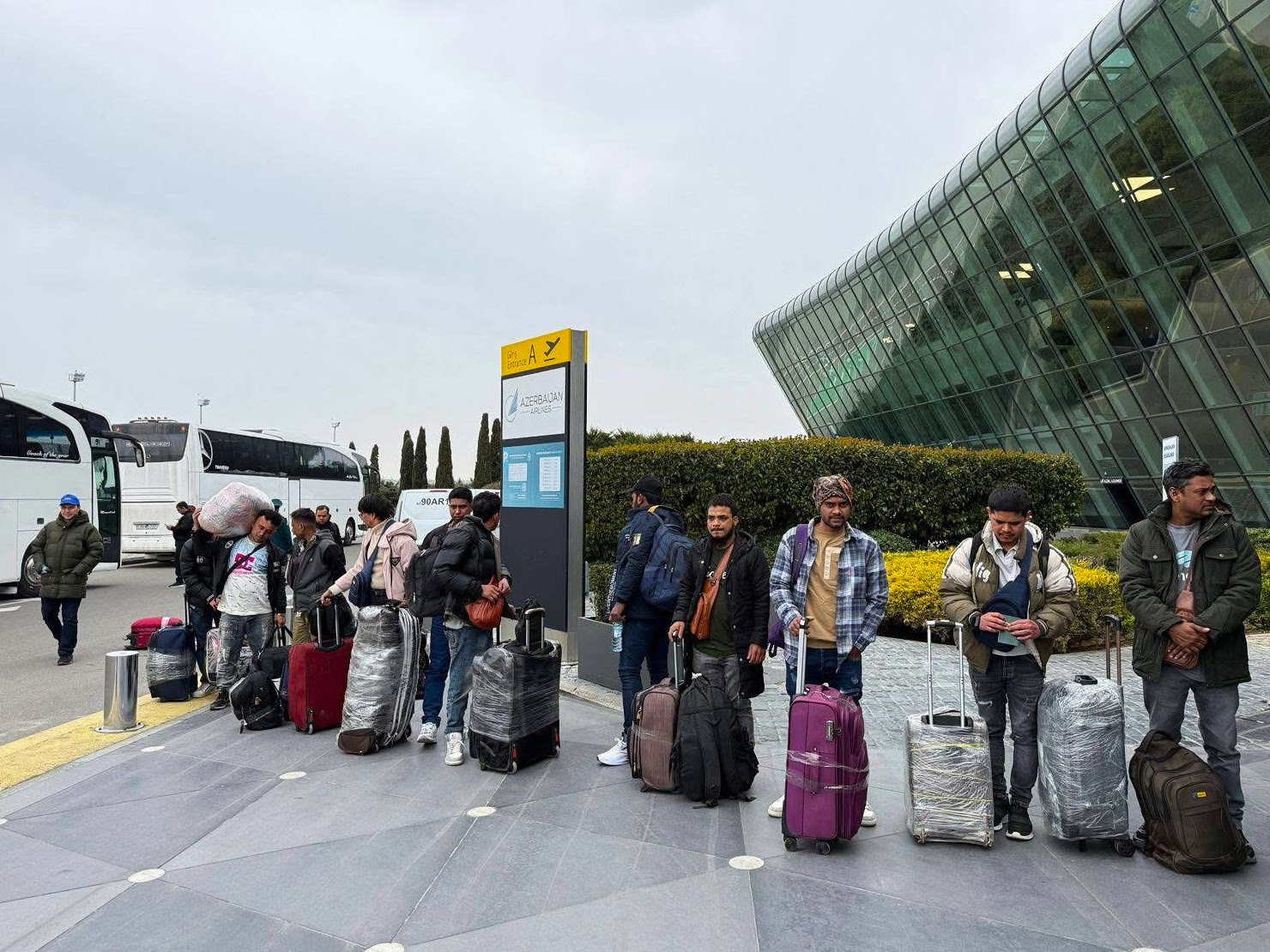
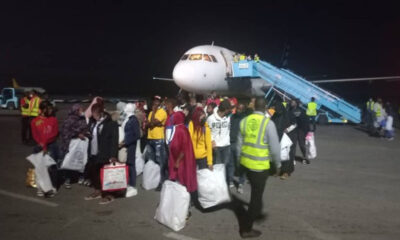
Un nouveau groupe de 111 Nigérians en détresse a été évacué d’Afrique du Sud et rapatrié au Nigeria, dans un contexte marqué par des préoccupations liées aux attaques xénophobes et afrophobes dans le pays.
Les rapatriés sont arrivés à Lagos à bord du vol SA060 de South African Airways (SAA), le jeudi 8 octobre, à la suite d’une opération d’évacuation financée par l’Église chrétienne rachetée de Dieu (Redeemed Christian Church of God, RCCG).
Dans un communiqué publié à Abuja au cours du week-end, le porte-parole du ministère des Affaires étrangères, Oluwafemi Adeniyi, a indiqué que cette nouvelle évacuation s’inscrivait dans le cadre des efforts en cours pour garantir la sécurité et le bien-être des Nigérians en situation de détresse en Afrique du Sud.
Le groupe était composé de 44 hommes, 23 femmes et 44 enfants. À leur arrivée, les rapatriés ont été accueillis par des représentants du ministère des Affaires étrangères, de la Commission des Nigérians de la diaspora (NiDCOM), de l’Agence nationale pour l’interdiction de la traite des personnes (NAPTIP), de l’Agence nationale de gestion des urgences (NEMA) ainsi que d’autres agences fédérales compétentes.
Selon le ministère, l’opération d’évacuation a été entièrement financée grâce au don de 265 854 dollars effectué par la RCCG pour soutenir le rapatriement de 500 Nigérians en détresse en Afrique du Sud.
Cette dernière opération porte à 15 le nombre total d’évacuations consulaires organisées depuis l’Afrique du Sud depuis le lancement de l’opération en cours, le 10 juin 2026. Elle porte également à 2 037 le nombre cumulé de Nigérians évacués du pays.
Sur ce total, les frais de rapatriement de 1 388 personnes ont été entièrement pris en charge par le gouvernement fédéral, précise le communiqué.
Le ministère a ajouté que la RCCG avait jusqu’à présent financé les billets d’avion aller simple de 318 Nigérians, dans le cadre de son engagement à soutenir l’évacuation de 500 ressortissants. Il reste ainsi 182 personnes qui pourront bénéficier de l’intervention de l’Église.
Le gouvernement fédéral a exprimé sa gratitude à la RCCG, dirigée par le pasteur Enoch Adejare Adeboye, pour son soutien financier aux opérations d’évacuation des Nigérians en détresse.
Il a également réaffirmé son engagement à collaborer avec les parties prenantes concernées, notamment les autorités sud-africaines, afin de lutter contre la xénophobie et l’afrophobie et de promouvoir la sécurité, le bien-être et la dignité des Nigérians vivant dans le pays.
Le gouvernement a conseillé aux Nigérians résidant en Afrique du Sud de respecter les lois locales, de rester vigilants et de faire de leur sécurité une priorité. Il les a également exhortés à rester en contact avec le Haut-Commissariat du Nigeria à Pretoria et le Consulat général à Johannesburg afin de bénéficier d’une assistance consulaire en cas de besoin.
Le ministère a réitéré l’engagement du gouvernement fédéral à fournir une assistance consulaire rapide aux Nigérians vivant à l’étranger et à protéger leur sécurité, leur bien-être et leurs intérêts.

Un avocat ougandais exhorte l’UA à rejeter les accords migratoires avec l’Europe

Ugandan lawyer urges AU to reject Europe’s migration deals

Les États-Unis s’apprêtent à expulser un nouveau groupe de Nigérians pour des infractions pénales présumées

US to deport fresh set of Nigerians over alleged criminal offences

La RCCG soutient le retour de 111 Nigérians d’Afrique du Sud
-
 News3 weeks ago
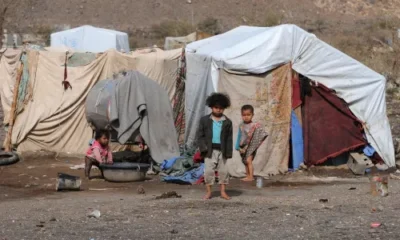
Yémen :21 573 ménages déplacés dans sept gouvernorats
-
 Features3 weeks ago
Retour volontaire assisté, assistance post-arrivée et réintégration : le rôle de l’OIM expliqué
-
 News Extra2 weeks ago
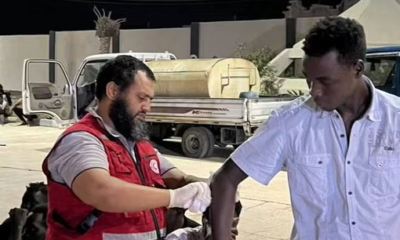
Libya: Over 2,100 migrants intercepted, detained in Tobruk operations
-

 Features3 weeks ago
IOM explains work in countries receiving third-country nationals
-

 News3 weeks ago
Ebola : Amy Pope appelle à un soutien urgent alors que la RDC fait face à la plus grande épidémie
-
 News3 weeks ago
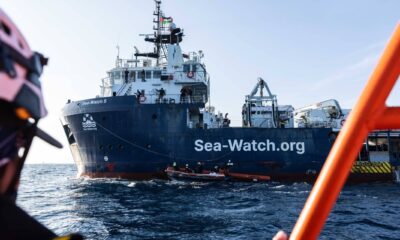
Un tribunal de Naples annule la détention de 45 jours du Sea-Watch 5
-

 Features3 weeks ago
L’OIM explique son travail dans les pays qui accueillent des ressortissants de pays tiers
-
 Features3 weeks ago
L’OIM aide plus de 81 000 migrants à retourner dans leur pays depuis 115 pays