
News Extra
Pope urges European leaders to make greater investment in developing migrants’ countries of origin

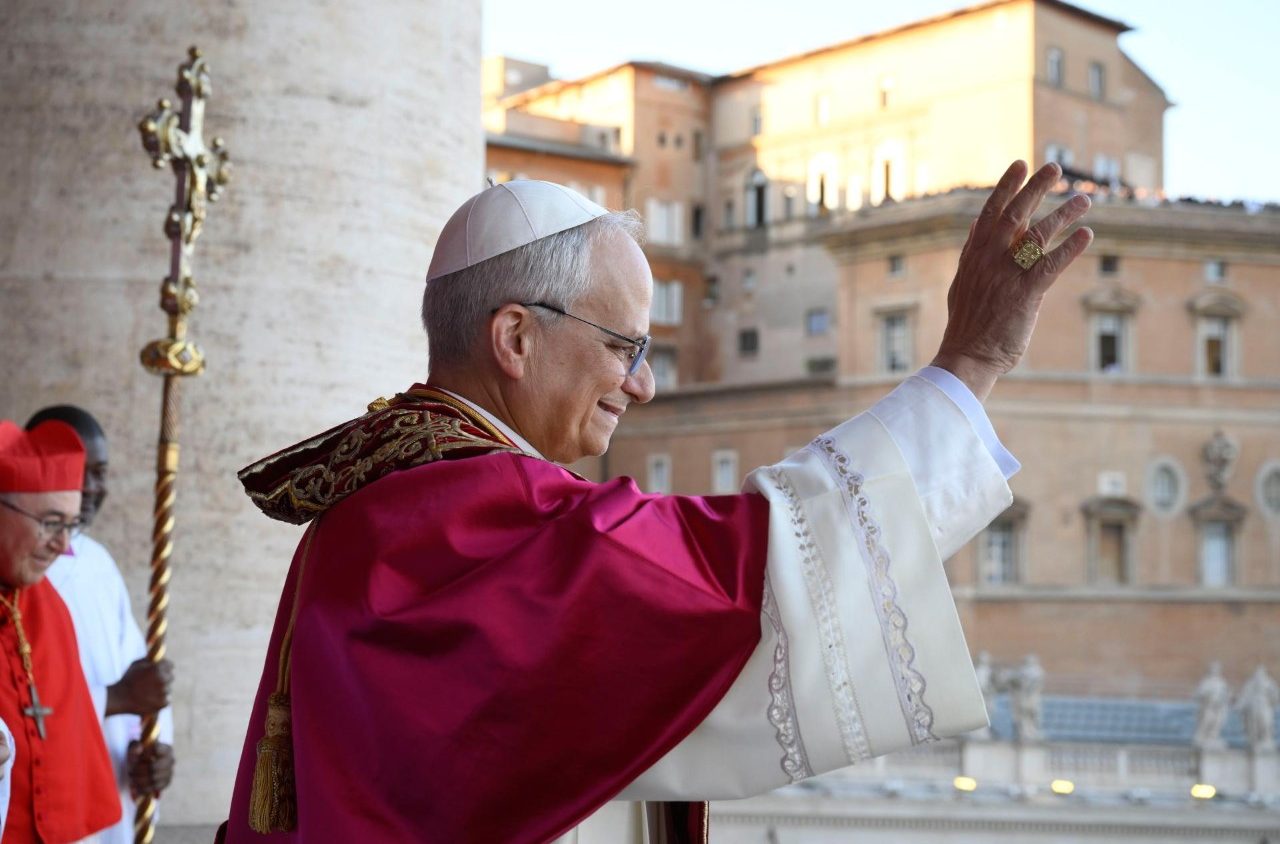
Pope Leo XIV has urged European countries to invest in the development of poorer nations to tackle the root causes of migration, saying no one should be forced to leave their homeland in search of safety or a better life.
The pontiff delivered the message on Saturday during a visit to the Italian island of Lampedusa, one of the main entry points for migrants crossing the Mediterranean into Europe. The trip combined prayer, remembrance and a renewed appeal for compassion toward migrants and refugees.
Speaking during Mass after visiting the island’s migrant cemetery and meeting new arrivals at the port, Pope Leo called on European leaders to adopt a comprehensive approach to migration that combines humanitarian assistance with long-term development initiatives.
“Speaking from this far-flung corner of Europe on the Mediterranean Sea,” the Pope urged governments to provide immediate relief while receiving, protecting, supporting and integrating migrants. He also called for greater investment in developing migrants’ countries of origin “so that no one is forced to leave.”
He praised the people of Lampedusa for what he described as the “miracle of compassion” they have shown in welcoming migrants over the years.
“This is a place where gestures speak louder than words,” Leo said. “But for gestures to be human, they need a heart.”
Reflecting on the thousands who have died attempting the dangerous Mediterranean crossing, the Pope said the victims continued to challenge the conscience of Europe.
“Here you have seen not just one, but thousands of human beings fallen into the hands of robbers who have taken everything from them, beat them brutally and walked away, leaving them half-dead,” he said. Referring to those who perished at sea, he added: “Yet we feel their presence, which challenges us no less than that of those who have landed in need of attention and aid.”
The visit carried significance beyond Europe. Earlier in the day, as the United States marked the 250th anniversary of the Declaration of Independence, the American-born Pope issued a message urging Americans to uphold the country’s tradition of welcoming immigrants.
In a July 4 letter, Leo said protecting human life includes “welcoming, protecting and assisting immigrants, whose hopes, sacrifices and contribution have formed part of the history of this country from its very beginning.” He added that receiving migrants with “compassion and generosity” is both an act of charity and recognition of the inherent dignity of every person.
The remarks come amid continuing tensions between the Vatican and the administration of President Donald Trump over immigration policies and mass deportations.
Lampedusa, located closer to North Africa than mainland Italy, has for years been at the centre of Europe’s migration crisis, serving as the first destination for hundreds of thousands of migrants departing from Libya and Tunisia, often aboard overcrowded boats operated by human traffickers.
According to Italy’s Interior Ministry, 14,464 migrants had reached the country by sea this year as of Friday, compared with 30,598 during the same period last year.
Despite the decline in arrivals, the International Organization for Migration estimates that more than 35,000 migrants have gone missing in the Mediterranean since 2014, with the actual toll believed to be significantly higher because many shipwrecks are never documented.
During his visit, Pope Leo laid a wreath of yellow and white flowers at Lampedusa’s migrant cemetery, where many graves are marked by simple wooden crosses fashioned from the remains of wrecked migrant boats.
The visit echoed that of Pope Francis, who chose Lampedusa for his first pastoral trip outside Rome in 2013 and condemned what he called the “globalization of indifference” toward migrants. Like his predecessor, Pope Leo used the island to renew the Church’s call for solidarity, insisting that addressing poverty, conflict and lack of opportunity in less developed nations remains essential to preventing forced migration.








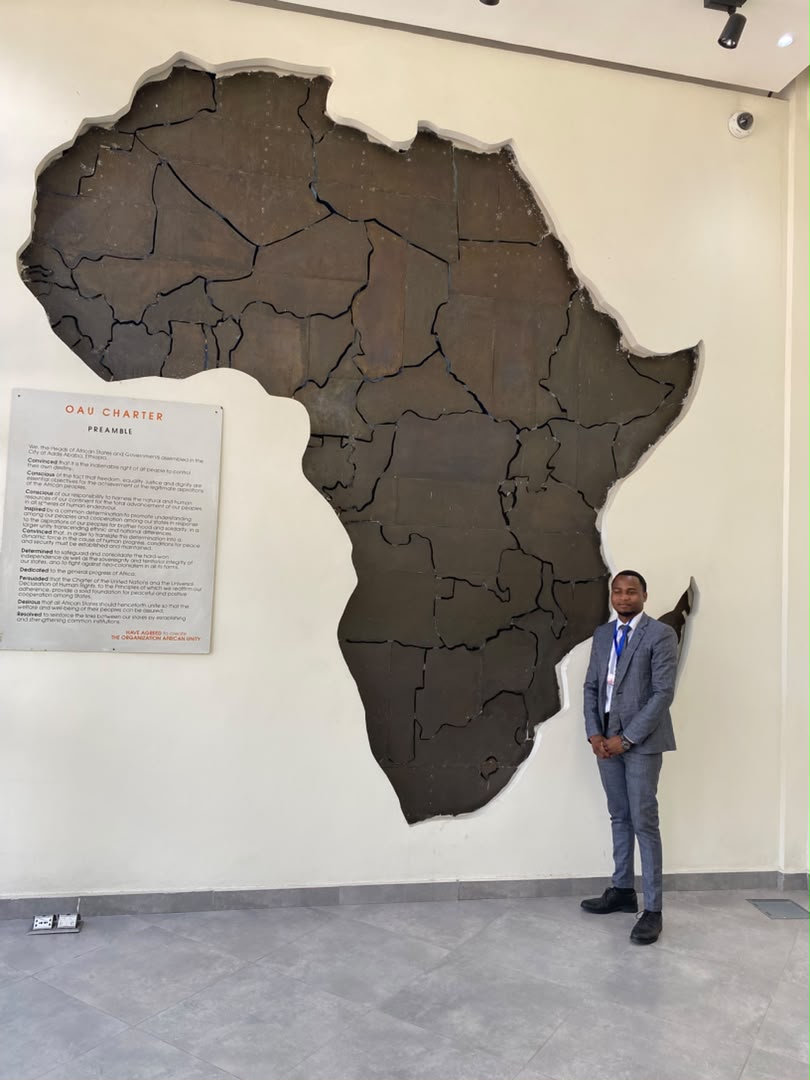
Un avocat ougandais et défenseur de la jeunesse, Mwanje Gideon, a appelé l’Union africaine (UA) à mettre en place d’urgence une monnaie numérique continentale, à investir dans le développement des jeunes, à supprimer les obstacles à la libre circulation en Afrique et à rejeter les accords migratoires qui transforment les pays africains en centres de détention externalisés pour les pays européens.
Gideon, surnommé Batapa, né le 8 avril 2000 à Bamunaniika, dans le district de Luwero, en Ouganda, estime que ces mesures sont indispensables pour accélérer l’intégration économique de l’Afrique, renforcer sa souveraineté, créer des emplois pour les jeunes et protéger la dignité des migrants et des demandeurs d’asile.
Il a formulé cet appel dans une lettre datée du 10 septembre 2026, adressée au président de la Commission de l’Union africaine, au siège de l’organisation à Addis-Abeba, en Éthiopie. Il s’est personnellement rendu au siège de l’UA pour remettre le document.
Dans cette lettre intitulée « Priorités urgentes pour l’intégration économique de l’Afrique, la jeunesse et la souveraineté », l’avocat basé à Kampala a salué les progrès accomplis en faveur de l’unité continentale, notamment la création de l’Organisation de l’unité africaine (OUA), sa transformation en Union africaine et la mise en place de la Zone de libre-échange continentale africaine (ZLECAf).
Il a toutefois déploré que, malgré des décennies d’engagements en faveur de l’intégration régionale, l’Afrique continue de faire face à d’importants défis économiques, politiques et migratoires.
Selon lui, l’évolution rapide du contexte politique et économique mondial exige des mesures urgentes et concrètes pour préserver l’avenir du continent.
Gideon a identifié quatre domaines prioritaires nécessitant une intervention immédiate de l’organisation continentale.
Il plaide pour une monnaie numérique africaine
Sur le plan de l’intégration économique, l’avocat a préconisé la création d’une monnaie numérique continentale sécurisée, spécialement conçue pour faciliter les échanges commerciaux transfrontaliers entre les pays africains.
Il estime que le recours actuel aux devises étrangères pour les transactions entre pays africains fragilise le commerce régional et entraîne une sortie importante de ressources financières du continent.
« Aujourd’hui, un commerçant d’Afrique de l’Est qui vend des marchandises en Afrique de l’Ouest doit souvent convertir d’abord sa monnaie locale en devises étrangères, payer des frais de transaction élevés et perdre ainsi une partie de son capital », a-t-il déclaré.
Gideon a souligné que, si l’ambition à long terme de créer une monnaie africaine unique demeure importante, les entreprises ne peuvent pas attendre indéfiniment sa réalisation.
Il a proposé l’introduction d’une monnaie numérique baptisée « Afro », qui permettrait aux entreprises africaines d’effectuer facilement des transactions au-delà des frontières.
« Une monnaie numérique Afro permettrait aux entreprises africaines d’acheter et de vendre entre elles sans difficulté, de conserver la valeur financière au sein de notre continent et de construire une véritable indépendance économique », a-t-il affirmé.
Selon lui, une telle initiative renforcerait le commerce intra-africain, réduirait les coûts de transaction et accélérerait l’intégration économique du continent.
Il réclame des investissements dans le sport et la technologie pour la jeunesse africaine
L’avocat a également exhorté les gouvernements africains à faire des investissements dans les infrastructures sportives, le développement technologique, l’éducation numérique et les centres d’innovation une priorité, afin de lutter contre le chômage des jeunes.
Il a relevé que, malgré la population la plus jeune au monde, l’Afrique continue de souffrir d’un manque d’emplois et d’opportunités économiques pour des millions de jeunes.
Selon lui, l’industrie mondiale du sport génère plus de 500 milliards de dollars par an grâce aux droits de diffusion, aux parrainages, aux produits dérivés, au tourisme sportif et à d’autres activités commerciales.
Gideon a cité la star sénégalaise du football Sadio Mané et l’international égyptien Mohamed Salah comme exemples de sportifs africains dont la réussite a contribué au développement économique de leurs pays d’origine.
Il a affirmé que Sadio Mané avait investi plus de 20 millions de dollars dans sa ville natale de Bambali, au Sénégal, pour soutenir des projets dans les domaines de la santé, de l’éducation et du développement agro-industriel.
Selon lui, ces investissements ont créé des emplois, réduit la pauvreté et renforcé l’économie locale.
Il a également mis en avant les contributions de Mohamed Salah dans les domaines de la santé, du développement des jeunes et des infrastructures communautaires en Égypte.
Gideon estime que la formation d’un plus grand nombre de sportifs africains capables de rivaliser au niveau international pourrait générer d’importantes recettes en devises étrangères et stimuler la croissance économique locale.
« Si l’Afrique produit 1 000 sportifs d’élite dont la valeur marchande, dans différentes disciplines internationales, est comparable à celle de Sadio Mané ou de Mohamed Salah, l’économie bénéficierait d’un apport direct de capitaux dépassant 500 millions de dollars, sous forme de recettes en devises, d’indemnités de transfert et de transferts de fonds des joueurs », a-t-il déclaré.
Il a appelé l’Union africaine et ses États membres à reconnaître le sport comme un secteur économique majeur, plutôt que comme une simple activité de loisirs.
« Le sport n’est plus seulement un loisir ; c’est une industrie mondiale majeure qui crée des millions d’emplois, développe les économies locales et rassemble les communautés », a-t-il souligné.
Il a ajouté que les investissements dans les pôles technologiques, les centres d’innovation et l’éducation numérique permettraient aux jeunes Africains d’acquérir les compétences nécessaires pour développer des produits compétitifs à l’échelle mondiale sans devoir quitter leur pays.
« Investir dans notre jeunesse est le plus important investissement économique que l’Afrique puisse réaliser aujourd’hui », a déclaré Gideon.
Il demande la suppression des visas pour les déplacements en Afrique
Concernant la mobilité régionale, Gideon s’est inquiété du fait que les citoyens africains continuent de se heurter à des procédures d’immigration restrictives, à des frais de visa élevés et à de longs délais de traitement lorsqu’ils voyagent entre les pays du continent.
Il a estimé que cette situation était incompatible avec l’ambition de l’Afrique de parvenir à une intégration économique et politique.
L’avocat a particulièrement critiqué les restrictions de voyage imposées aux citoyens africains qui souhaitent assister à des réunions, mener des activités commerciales ou participer à des initiatives de la société civile dans les villes accueillant les principales institutions continentales.
Il a notamment cité Addis-Abeba, en Éthiopie, et Banjul, en Gambie, parmi les destinations diplomatiques importantes où la libre circulation devrait être facilitée.
Gideon a demandé à l’Union africaine d’instaurer une politique obligatoire permettant aux détenteurs de passeports africains d’obtenir gratuitement un visa à l’arrivée, valable au moins quatre jours, lorsqu’ils se rendent dans les États membres accueillant les principaux sièges institutionnels du continent.
Selon lui, cette mesure permettrait aux entrepreneurs, aux représentants de la société civile et aux autres citoyens africains de mener leurs activités légitimes sans subir de difficultés administratives inutiles.
« Ce laissez-passer de courte durée donnerait aux visiteurs suffisamment de temps pour mener leurs activités sereinement, au lieu de devoir précipiter des réunions importantes par crainte de sanctions liées à l’immigration », a-t-il expliqué.
Il a soutenu que la suppression des obstacles inutiles aux déplacements favoriserait la coopération régionale, renforcerait les relations entre les peuples et rapprocherait le continent de son objectif d’une Afrique sans frontières.
Il met en garde contre les politiques européennes d’externalisation des migrations
Gideon a également appelé l’Union africaine à intervenir plus fermement contre l’externalisation des politiques européennes de migration et de contrôle des frontières vers les pays africains.
Il s’est inquiété des accords par lesquels des gouvernements européens cherchent à convaincre des États africains d’accueillir, de traiter ou de détenir des migrants et des demandeurs d’asile en échange d’une aide financière ou de financements destinés au développement.
L’avocat a averti que de tels accords pourraient porter atteinte à la souveraineté de l’Afrique et exposer les migrants vulnérables à des violations des droits humains.
« Échanger des êtres humains contre de l’argent est une voie profondément dangereuse, qui rappelle les pages les plus sombres de l’histoire de notre continent », a-t-il déclaré.
Il a soutenu que les pays riches ne devraient pas transférer aux nations africaines leurs responsabilités internationales en matière de protection des réfugiés par le biais d’accords financiers.
Selon lui, la responsabilité de protéger les personnes fuyant les persécutions doit être partagée conformément au droit international des réfugiés et au principe de non-refoulement, qui interdit de renvoyer des personnes vers des territoires où elles risquent de subir de graves menaces contre leur vie ou leur liberté.
« Les pays occidentaux ne doivent pas être autorisés à se soustraire à leurs obligations internationales sous prétexte que l’hospitalité africaine, notre esprit de Karibu, est chaleureuse et accueillante », a-t-il déclaré.
Gideon a exhorté l’Union africaine à examiner les accords de coopération migratoire existants entre les pays africains et européens afin de déterminer s’ils respectent les normes internationales relatives aux droits humains.
Il a également demandé à l’organisation continentale de condamner publiquement les accords qui compromettent la dignité des migrants en échange d’avantages financiers.
« L’Union africaine doit enquêter sur tous les accords migratoires existants, condamner publiquement ceux qui troquent la dignité humaine contre des fonds et mettre en garde les États membres contre la conclusion d’accords qui transforment notre territoire en centres de détention externalisés », a-t-il déclaré.
L’avocat a estimé que les pays africains devaient résister à toute tentative visant à les transformer en centres de rétention pour les migrants rejetés ou transférés par les gouvernements européens.
Il a souligné que l’hospitalité traditionnelle de l’Afrique ne devait pas servir de prétexte à des accords qui déplacent les responsabilités en matière de gestion migratoire vers des pays qui ne sont pas à l’origine de ces décisions.
Il appelle l’UA à faire preuve d’un leadership plus ferme
En conclusion, Gideon a exhorté la Commission de l’Union africaine à faire preuve d’un leadership déterminé pour promouvoir l’indépendance économique du continent, l’autonomisation des jeunes, la liberté de circulation et la protection des migrants.
Il a affirmé que les initiatives proposées étaient étroitement liées et indispensables à la construction d’une Afrique prospère, unie et souveraine.
Selon lui, une monnaie numérique continentale faciliterait les échanges commerciaux, les investissements dans le sport et la technologie donneraient davantage de moyens aux jeunes, l’assouplissement des restrictions de voyage renforcerait l’intégration, tandis que le rejet des accords migratoires abusifs protégerait la dignité et l’indépendance de l’Afrique.
Il a déclaré que des millions d’Africains attendaient de l’organisation continentale qu’elle transforme ses engagements de longue date en politiques concrètes susceptibles d’améliorer leurs conditions de vie.
« Ces quatre priorités — une monnaie numérique pour le commerce, le développement des jeunes grâce au sport et à la technologie, une Afrique sans frontières, la facilitation des déplacements vers les centres institutionnels continentaux et la défense de la dignité humaine face aux accords migratoires injustes — constituent des étapes essentielles vers une Afrique véritablement souveraine », a-t-il déclaré.
« Si ces propositions sont mises en œuvre, nous commencerons à voir émerger une Afrique unie », a ajouté Gideon.

The United States Department of Homeland Security (DHS) has named 24 Nigerians arrested by immigration authorities over alleged criminal offences, as the country intensifies its deportation campaign.
The department published the names and photographs of the Nigerians, who were reportedly apprehended by the US Immigration and Customs Enforcement (ICE) in different locations across the country.
The alleged offences range from wire and mail fraud to money laundering, drug-related crimes, identity theft, assault, forgery and cruelty towards a child.
In a statement, DHS said the publication was intended to highlight non-US citizens with criminal records who had been arrested by immigration enforcement officers.
“The U.S. Department of Homeland Security is highlighting the worst of the worst criminal aliens arrested by the U.S. Immigration and Customs Enforcement (ICE),” the statement said.
It added: “Under DHS leadership, the hardworking men and women of DHS and ICE are fulfilling President Trump’s promise and carrying out mass deportations – starting with the worst of the worst – including the illegal aliens you see here.”
According to the information released by the department, the 24 Nigerians were arrested in various cities and detention locations across the United States.
Those named include Emmanuel Omowaiye, arrested in Richmond, Texas, over alleged mail fraud; Laurene Onwuka, apprehended in Chantilly, Virginia, over alleged fraud and impersonation; Olusegun Shonekan, arrested in Newark, New Jersey, over alleged wire fraud; and Olusegun Olaseni, apprehended in Greencastle, Indiana, over an alleged amphetamine sale offence.
Others are Peter Ude, arrested in Atlanta, Georgia, over alleged wire fraud; Newton Jemide, apprehended at Fort Dix, New Jersey, over alleged wire fraud, conspiracy and mail fraud; Shedrack Umukoro, arrested in Yazoo City, Mississippi, over alleged money laundering; and Olasoji Akinbode, apprehended in Kearny, New Jersey, over alleged fraud and impersonation.
The list also includes Oluwatosin Afolabi, arrested in Conroe, Texas, over alleged fraud; Alameen Adetunji Tokosi, apprehended in Chicago, Illinois, over alleged drug possession; and Joshua Ipoade, arrested in Atlanta, Georgia, over alleged wire fraud.
Michael Orji, arrested in Oxford, Wisconsin, faces listed allegations involving weapons offences, fraud, identity theft, wire fraud, false citizenship and money laundering. Ahmadu Apooyin was apprehended in Baltimore, Maryland, over a drug-related offence, while Teslim Kiriji was arrested in Yazoo City, Mississippi, over alleged money laundering.
Also named were Onomen Uduebor, arrested in Seattle, Washington, over alleged identity theft; Charles Ochi and Daniel Eta, both apprehended in White Deer, Pennsylvania, over alleged money laundering and wire fraud, respectively.
The remaining Nigerians are Ifeanyi Ibennah, arrested in Tampa, Florida, over alleged cruelty towards a child; Kazeem Runsewe, apprehended in Thomson, Illinois, over alleged wire fraud; Fatiu Lawal, arrested in Lompoc, California, over alleged wire fraud; and Justin Akubueze, apprehended in Orem, Utah, over alleged money laundering.
Others are Moyinoluwaseun Okeowo, arrested in Orlando, Florida, over alleged larceny, forgery and concealing stolen property; Babajide Oluwaseun Faseyi, apprehended in Alden, New York, over an alleged assault offence; and Bright Eigbedion, arrested in Lompoc, California, over alleged money laundering.
DHS said the arrests formed part of the US government’s broader immigration enforcement campaign, with ICE responsible for apprehending individuals across the country.
The department’s announcement comes amid the Trump administration’s drive to expand deportations, with immigration authorities prioritising individuals they identify as having criminal records.
The publication of the names and alleged offences does not, by itself, establish the legal status or final outcome of each individual’s case, nor does it confirm that all 24 Nigerians have received deportation orders or are scheduled for immediate removal.
News Extra
NACTAL conteste le rapport américain sur la traite des personnes et exige la reconnaissance des contributions des organisations de la société civile nigérianes

Le Réseau contre la traite, les abus et le travail des enfants (Network Against Child Trafficking, Abuse and Labour – NACTAL) au Nigeria a appelé le Département d’État des États-Unis à réexaminer son Rapport 2026 sur la traite des personnes (Trafficking in Persons – TIP), estimant que cette évaluation n’a pas suffisamment reconnu les contributions des organisations de la société civile (OSC) à la lutte contre la traite des personnes au Nigeria.
Le président national élu de NACTAL, le camarade Osita Osemene, a lancé cet appel dans un communiqué de presse exprimant les préoccupations de l’organisation face à ce qu’elle considère comme une représentation insuffisante des interventions des organisations de la société civile présentes sur le terrain dans le rapport.
Osemene a fait valoir que la lutte contre la traite des personnes au Nigeria ne se limite pas aux institutions gouvernementales. Il a souligné que toute évaluation qui ne tient pas compte des contributions des organisations non gouvernementales, des groupes communautaires et des partenaires internationaux de développement risque de présenter une vision incomplète des efforts déployés par le pays.
Selon lui, les organisations de la société civile sont restées à l’avant-garde des efforts visant à prévenir la traite des personnes, à identifier les personnes vulnérables, à secourir les victimes, à fournir un hébergement et un soutien psychosocial, ainsi qu’à faciliter la réadaptation et la réinsertion des survivants.
Il a précisé que de nombreuses organisations assument ces responsabilités malgré des financements limités et d’autres difficultés opérationnelles.
« Ces contributions ne sont pas accessoires. Elles sont essentielles à la prévention de la traite des personnes, à la protection des survivants et à la réduction de leur vulnérabilité face à de nouvelles formes d’exploitation », a déclaré Osemene.
Il s’est inquiété du fait que, selon l’évaluation de NACTAL, le rapport ne reflète pas suffisamment les capacités de protection, les services d’hébergement, les activités de prévention et les dispositifs d’accompagnement des survivants mis en œuvre par les organisations de première ligne.
« On ne peut comprendre pleinement la réponse nationale en examinant uniquement les activités du gouvernement tout en accordant une attention insuffisante aux organisations qui fournissent directement des services aux personnes et aux communautés touchées », a-t-il déclaré.
Le responsable de NACTAL a cité Patriotic Citizen Initiatives (PCI) et d’autres organisations membres comme exemples de structures qui assurent la protection, le soutien psychosocial et l’accompagnement à la réinsertion des personnes vulnérables et des migrants de retour.
Il a expliqué que de nombreuses OSC travaillent directement avec les communautés, les familles, les écoles, les institutions religieuses, les enfants vulnérables, les femmes et les migrants de retour afin de lutter contre les risques liés à la traite des personnes.
Leurs interventions comprennent notamment des campagnes de sensibilisation, l’identification et l’orientation des victimes vers les services compétents, l’hébergement temporaire, la recherche des familles, la formation professionnelle, l’aide aux moyens de subsistance et un accompagnement à long terme en vue de la réinsertion.
Osemene a particulièrement insisté sur l’importance de reconnaître les contributions des organisations non gouvernementales à la protection des victimes et aux services d’hébergement.
Il a affirmé que la protection des survivants de la traite ne se limite pas aux opérations de sauvetage, soulignant que les victimes ont souvent besoin d’une assistance durable pour se remettre de l’exploitation et éviter d’être de nouveau victimes de la traite.
« La protection ne prend pas fin lorsqu’une victime est identifiée, secourue ou orientée vers une autorité compétente. Les survivants peuvent avoir besoin d’un hébergement sûr, de nourriture, de soins de santé, d’un accompagnement psychosocial, d’une assistance juridique, de la recherche de leurs familles, d’une formation professionnelle, d’un soutien économique et d’un suivi continu afin de reconstruire leur vie et de réduire le risque de retomber entre les mains des trafiquants », a-t-il déclaré.
Il a ajouté que les organisations qui gèrent des centres d’hébergement assument d’importantes responsabilités financières et opérationnelles, notamment l’entretien d’installations adaptées, l’emploi de personnel qualifié et la fourniture de soins spécialisés.
Selon lui, ces contributions devraient être correctement documentées dans les évaluations internationales, tandis que les lacunes en matière de financement, de capacité d’hébergement et de services spécialisés devraient également être mises en évidence.
Le président national élu de NACTAL a en outre critiqué ce qu’il a décrit comme une attention insuffisante accordée aux initiatives communautaires de prévention de la traite des personnes.
Il a fait observer que les OSC organisent fréquemment des programmes de sensibilisation dans les écoles, les institutions religieuses et les communautés locales afin d’informer les populations vulnérables sur les méthodes de recrutement trompeuses, les fausses offres d’emploi et les dispositifs migratoires à caractère exploiteur.
Bien que ces interventions ne produisent pas toujours des résultats immédiatement visibles, comparables aux arrestations, aux poursuites judiciaires et aux condamnations, il a insisté sur le fait qu’elles demeurent essentielles à la prévention de la traite des personnes.
« Une évaluation qui se concentre principalement sur les activités répressives du gouvernement sans documenter suffisamment les actions de prévention au niveau communautaire risque de négliger une dimension importante de la réponse nationale », a-t-il déclaré.
Osemene a également appelé à une meilleure reconnaissance des contributions des partenaires internationaux de développement qui soutiennent les interventions liées à la lutte contre la traite des personnes et aux questions migratoires au Nigeria.
Il a cité l’Union européenne, l’Organisation internationale pour les migrations (OIM), le Centre international pour le développement des politiques migratoires (ICMPD), FIAP, Expertise France et l’Office des Nations unies contre la drogue et le crime (ONUDC) parmi les organisations qui contribuent au financement ou à la mise en œuvre de programmes de prévention, de protection, de renforcement des capacités et de réinsertion.
Il a soutenu que les évaluations des partenariats internationaux ne devraient pas se limiter aux accords institutionnels et aux échanges avec les autorités gouvernementales, mais devraient également prendre en compte les contributions des organisations locales chargées de fournir des services aux populations vulnérables.
S’exprimant sur le classement du Nigeria au niveau 2 (Tier 2) et sur le passage annoncé du Ghana au niveau 1 (Tier 1) dans le Rapport 2026 sur la traite des personnes, Osemene a déclaré que cette évolution soulevait des questions quant à la prise en compte adéquate de l’ensemble des interventions du Nigeria dans la lutte contre la traite des personnes.
Il a toutefois reconnu que ces classifications reposent sur l’évaluation du gouvernement américain concernant le respect, par les pays, des normes minimales d’élimination de la traite des personnes ainsi que les efforts qu’ils déploient pour satisfaire à ces normes.
Il a précisé que NACTAL ne réclamait pas un relèvement automatique du classement du Nigeria au seul motif que les organisations de la société civile participent activement à la lutte contre la traite des personnes.
L’organisation souhaite plutôt une évaluation globale, fondée sur des éléments probants, qui reconnaisse à la fois les progrès accomplis et les difficultés persistantes.
« Notre préoccupation n’est pas que le Nigeria obtienne automatiquement une classification supérieure parce que les OSC sont actives. Nous ne prétendons pas non plus que le pays ne rencontre plus aucun problème », a-t-il déclaré.
Osemene a reconnu que la traite des personnes demeure un grave problème au Nigeria et qu’elle exige des enquêtes plus approfondies, davantage de poursuites judiciaires, une meilleure identification des victimes, un accès accru à la justice, des services de protection renforcés et des programmes de réinsertion durables.
Il a souligné que la reconnaissance des contributions de la société civile devrait compléter, et non remplacer, l’obligation de rendre compte des résultats obtenus par le gouvernement.
En conséquence, NACTAL a exhorté le Département d’État américain à réexaminer l’évaluation du Nigeria et à déterminer si les contributions des organisations de la société civile et des autres acteurs non étatiques ont été suffisamment documentées et prises en considération.
L’organisation a également demandé l’ouverture de consultations directes avec les membres de NACTAL, les organisations spécialisées dans la lutte contre la traite des personnes, les gestionnaires de centres d’hébergement, les prestataires de services d’accompagnement des survivants et les professionnels de la réinsertion, afin de recueillir des éléments supplémentaires sur leurs interventions.
Elle a appelé à une meilleure reconnaissance des activités des OSC dans les domaines de la protection des victimes, de la sensibilisation communautaire, de l’éducation du public, du plaidoyer, du renforcement des capacités et de l’accompagnement des populations vulnérables.
NACTAL a en outre exhorté les autorités américaines à renforcer les consultations avec les parties prenantes et à permettre aux organisations nigérianes dont les interventions n’auraient pas été suffisamment prises en compte dans le rapport de soumettre des contributions complémentaires.
Osemene a soutenu que de telles mesures permettraient de mieux comprendre la réponse du Nigeria à la traite des personnes et de déterminer les domaines nécessitant des ressources supplémentaires, une meilleure coordination et un soutien institutionnel accru.
Il a également encouragé les parties prenantes nigérianes à améliorer la documentation, la collecte de données et la coordination afin que leurs contributions puissent être vérifiées de manière indépendante et correctement reflétées dans les évaluations internationales.
Le président national élu de NACTAL a souligné que l’organisation ne cherchait pas à soustraire le Nigeria à l’examen de la communauté internationale, mais plaidait pour l’équité, la transparence et l’inclusivité dans l’évaluation des efforts déployés par le pays contre la traite des personnes.
« NACTAL Nigeria ne demande pas que le Nigeria soit exempté de tout examen. Nous demandons une évaluation globale, fondée sur des éléments probants et reflétant l’ensemble des interventions pertinentes », a-t-il déclaré.
Il a décrit la lutte contre la traite des personnes comme une responsabilité collective nécessitant une collaboration efficace entre les organismes gouvernementaux, les organisations de la société civile, les partenaires au développement et les communautés locales.
« Les organisations de la société civile ne sont pas de simples spectatrices dans la lutte contre la traite des personnes. Elles participent activement à la prévention, à la protection, aux partenariats et à la réinsertion. Leur travail mérite d’être correctement documenté, pris en compte et reconnu », a déclaré Osemene.
Il a réaffirmé l’engagement de NACTAL à collaborer avec les parties prenantes concernées afin de renforcer la réponse du Nigeria à la traite des personnes, de protéger les personnes vulnérables, de préserver la dignité des survivants et de veiller à ce que les auteurs de la traite des personnes soient traduits en justice.

Un avocat ougandais exhorte l’UA à rejeter les accords migratoires avec l’Europe

Ugandan lawyer urges AU to reject Europe’s migration deals

Les États-Unis s’apprêtent à expulser un nouveau groupe de Nigérians pour des infractions pénales présumées

US to deport fresh set of Nigerians over alleged criminal offences

La RCCG soutient le retour de 111 Nigérians d’Afrique du Sud
-
 News Extra2 weeks ago
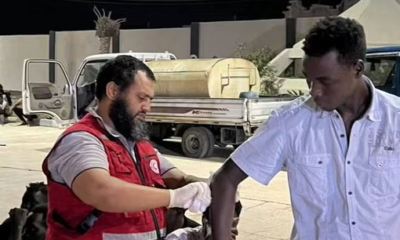
Libya: Over 2,100 migrants intercepted, detained in Tobruk operations
-
 Uncategorized2 weeks ago
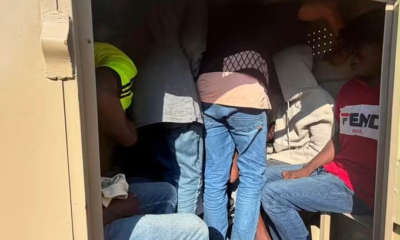
Libye : 310 migrants interpellés lors d’opérations à Tajoura, Umm Al-Faris et Tobrouk
-

 Features2 weeks ago
ENBIC : À qui appartiennent les données biométriques de l’Afrique de l’Ouest et quel rôle l’OIM joue-t-elle ?
-
 Features2 weeks ago
ENBIC: Who owns West Africa’s biometric data, and what role does IOM play?
-
 News2 weeks ago
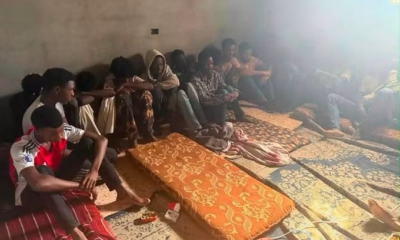
Libya: 310 migrants apprehended in Tajoura, Umm Al-Faris, Tobruk operations
-
 News7 days ago
20,000 children reach Europe without parent, guardian
-

 News Extra1 week ago
UK reopens refugee resettlement scheme for new referrals
-
 News Extra2 weeks ago
Deux morts, six disparus après le sauvetage de 28 personnes par le navire de Sea-Watch