
News
France, Netherlands back child border detention


A report by Investigate Europe says a package of controversial migration laws set to be approved by the EU could allow the detention of child migrants at borders from birth and further slash protections for unaccompanied minors, thanks in part to secret lobbying by a group of member states led by France.
About Minor Migrants
Confidential documents obtained by Investigate Europe reveal how France and the Netherlands, along with Denmark, Malta, Czech Republic and others pressured negotiators to include stricter measures in the Migration and Asylum Pact. Campaigners and the United Nations said such policies could violate the UN convention on the rights of the child, signed by all EU countries.
The reforms, which have been fought over for years but could now be passed by April, would give states greater powers over migration cases and limit new arrivals. An agreement reached by the Council of the EU and European Parliament in December was hailed as “historic” by officials. Human rights groups, however, said it would cause a “surge in suffering” for those seeking to enter Europe.
The deal announced on 20 December came after months of behind closed door talks. The core of the debates took place in the Coreper, a committee of ambassadors from all EU countries who negotiate future laws. Minutes from these meetings obtained by Investigate Europe expose how a host of governments secretly worked to influence and harden the proposals.
At a 15 May 2023 meeting the French representative welcomed a decision to remove age limits on when authorities could detain arriving migrants. “France thanks the EU presidency for abolishing the exemption for minors under the age of 12 and their families.” The Netherlands, Denmark and Czech Republic were also early supporters of the French stance, according to Coreper minutes accessed from May until December 2023.
An 18 December meeting noted that at least 11 member states “continue to reject a general exemption of minors”. At a meeting a month earlier, Malta said excluding minors from the border procedure was “impracticable due to the susceptibility to abuse (claiming to be a minor) and is therefore viewed with great scepticism.” The Dutch position was similarly explicit: “Netherlands rejects blanket exemptions from the border procedure for minors and their family members”.
New EU migration laws could legally allow states to detain children at border facilities. Credit: Shutterstock
A majority of countries want stricter regulations to limit the number of migrants coming to Europe.
Germany, however, said removing the exemption was “not acceptable”. Portugal, Ireland and Luxembourg expressed similar concerns, with a representative for the latter saying: “The detention of children is completely out of the question”.
But in the proposal agreed in December those fears were ignored. The text, a copy of which has been obtained by Investigative Europe, will be presented to the EP Civil Liberties Committee on 14 February and finally voted on by MEPs in March or April. If approved, families with children of any age could be legally detained at border centres with adults for months while asylum claims are processed.
“This is the generalisation of the hotspot system,” said Federica Toscano from Save The Children Europe. Such holding facilities, used widely in Greece and Italy, have been condemned for overcrowding, inadequate services and crime. “This system, with the mixing of children and adults, has led to the worst violence against minors: rape, assault.”
A Luxembourg government spokesperson said that “in the interests of compromise” they ultimately supported the texts, adding: “We hope that the package as a whole can bring about the necessary improvements on the ground, with new rules that are respected by everyone”.
A spokesperson for the Swedish government, which also backed the amendment, said: “During the negotiations it became clear that it was rather a majority of members states that was in favour of removing this exemption.”
Portugal’s secretary of state for migration and asylum was pragmatic in her assessment. “This is not the migration pact we would like to have. It’s what’s possible,” said Isabel Almeida Rodrigues, hoping that changes may yet arrive. “We’ll see what happens from now on, a lot is still open. It’s good that it is.”
A spokesperson for the Dutch government said they supported the clause in part to help identify people who have little chance of being granted asylum. “NL has pleaded for the inclusion of this group, to prevent attempts to evade the procedure may result in migrants bringing their children on their journey to the EU.”
The governments of France, Denmark, Malta, Czech Republic and Germany did not respond to requests for comment by the time of publication.
The Moria ‘hotspot’ facility in Lesbos once housed thousands of adults and children arriving to Greece. The site burnt down in 2020.
Shutterstock
Children arriving alone at borders could also be adversely affected. Today, unaccompanied minors cannot be legally detained – although the practice is alarmingly common. Planned laws state that if they represent a “danger to national security” – a decision determined by individual states – unaccompanied children could be held at border facilities for up to three months.
France again was a driving force. “Exempting unaccompanied minors from border procedures represents a major risk for the protection of our borders”, its representative said at the 15 May Coreper meeting, adding that an exemption could embolden “the trafficking of minor migrants”. The numbers of unaccompanied minors coming to Europe is increasing. Around 25,000 arrived in 2021 and this had risen to 39,000 in 2022, according to Eurostat.
Moreover, if a child is suspected of providing “misleading information”, comes from a “safe country” or where the proportion of people granted asylum is 20 per cent or less their claim could now be accelerated by states. This could increase the chance they are swiftly returned to their country of origin.
For example, children from Tunisia, Turkey, Albania, India or Serbia, whose countries are considered safe. “One cannot generalise on asylum,” explained lawyer Gianfranco Schiavone from the Association for Juridical Studies on Immigration in Italy. “There can be a young Tunisian fleeing from violence or torture suffered in his own country, even if it is theoretically ‘safe’. Asylum must be analysed on a case-by-case basis.”
Children’s clothes hang on barbed wire fencing at the Moria refugee camp. Credit: Investigate Europe
The Moria settlement pictured months before it was destroyed in a fire, 2020. Credit: Investigate Europe
Toscano said that the amendments represent a “historic breach in the international protection afforded to children.”
“These provisions are a disaster,” said Damien Carême, a Green MEP and shadow rapporteur for one of the pact’s five regulations and involved in the final trilogue negotiations. “There’s total opacity, we were summoned at 11.40pm to negotiate, it was postponed to 1.30am, 3.30am, then at 6.30am we were handed the text on the table, without having a say in the matter.” Carême called the current text “inhumane” and said the lobbying was an effort to garner public support ahead of European elections in June.
A representative from Spain, which held the EU presidency until December, urged Coreper members in July to put their “dissatisfactions” aside, stressing the need for an agreement before the European elections. “We also had to finish before Hungary took over the EU presidency (July 2024). But at the same time, we were up against a wall, and every time we were told “No, there’s no room to negotiate,” a parliamentary source present at the meetings said.
On 15 December, the UN Special Rapporteur on Migration, Gehad Madi, wrote to the three presidents of the European institutions, Ursula von der Leyen, Roberta Metsola and Charles Michel. He told them that the pact was contrary to the UN convention on the rights of the child, which stipulates that a child is defined as “every human being below the age of 18 years”. And insists that the detention of children because of their migrant status is a violation of their rights.
European Parliament president Roberta Metsola at a 20 December press conference announcing the migration pact agreement.
European Union
A provision for biometric fingerprinting, from the age of six, has also been included. At present, the fingerprints of arriving migrants and asylum seekers can not be taken under the age of 14. Significantly, the proposed text would allow for the use of “coercion” against children who refuse to have their data taken.
“It is a vague concept,” Save The Children’s Toscano said. “There is no definition of this word in the text, but any form of coercion on minors in migration procedures is a violation of their rights, which all European states have an obligation to protect.”
The Netherlands said the measure would help keep track of “vulnerable young migrants and better prevent them from… becoming victim of human smuggling networks,” adding that any use of coercion would be a last resort and must respect “dignity and physical integrity”.
Investigate Europe was unable to obtain the Coreper minutes where biometric fingerprinting was discussed and so it is unclear which states also pushed in this direction.
A European Commission spokesperson said, “a proportionate degree of coercion” should only be used “as a last resort”. On the pact, the spokesperson said states must always consider the best interests of the child and respect international treaties. “Member States should take due account of the minor’s well-being and social development, including their background.”
“Any form of coercion on minors in migration procedures is a violation of their rights.”
— Federica Toscano, Save The Children
Another contentious point is the exclusion of siblings from the “family” framework, which now only covers parents and children. In concrete terms: if a child arrives in Europe, for example with an uncle, they will now not be able to join their brothers and sisters who are already EU residents. France, the Netherlands, Hungary, Denmark, Sweden and others backed this amendment, Coreper minutes show.
“Sweden is historically a country with large reception of migrants and asylum seekers. To include siblings would have tipped the balance even more,” a government spokesperson said.
“This was the most difficult battle,” said a parliamentary source who took part in the final negotiations. “We tried to include siblings in the text on several occasions, but the Council systematically withdrew them. They did so right up to the last day. In the end, however, they succeeded in getting unaccompanied minors included, who will be able to join their brothers and sisters, unlike those travelling with their families. It’s absurd.”
Civil society groups are also dismayed by the current proposals. French NGO Cimade, which defends the rights of refugees and migrants across Europe, summed up the unease. “Every time we think we’ve reached the bottom of inhumanity, but in fact we’ve sunk even lower.”










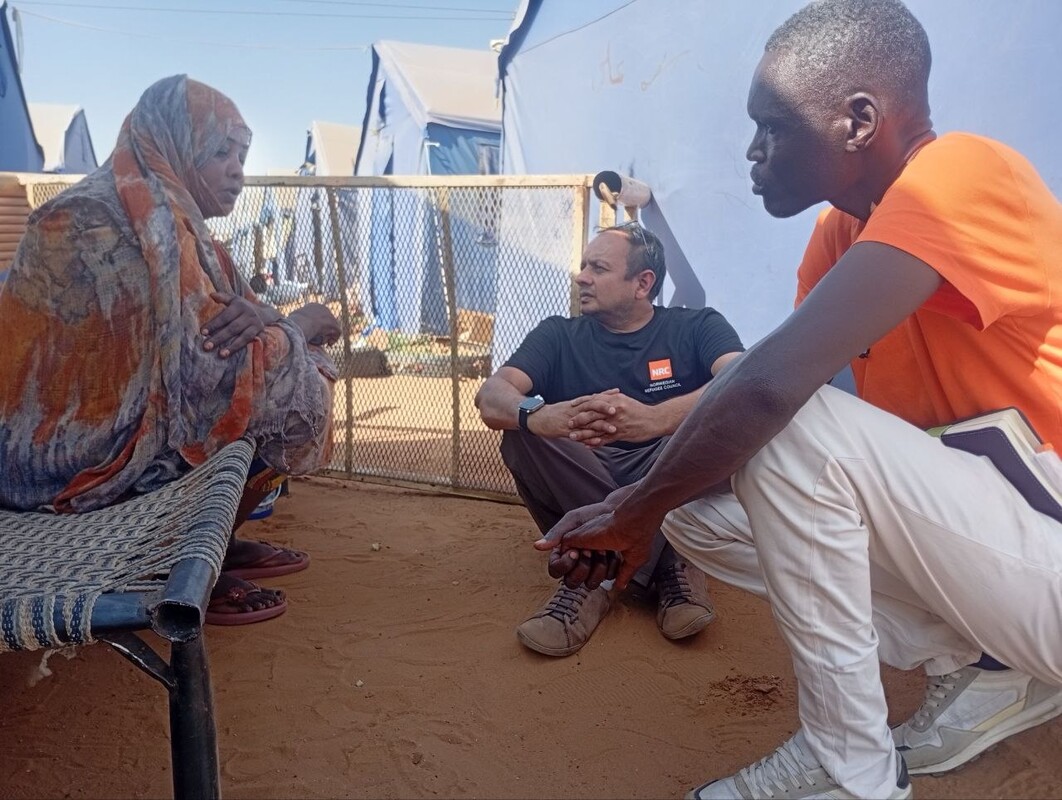
Les enfants d’El-Obeid, dans l’État du Kordofan du Nord, sont de plus en plus exposés aux menaces liées aux drones qui survolent la ville, contraignant les écoles à suspendre les cours et perturbant l’accès à l’éducation, a alerté le Conseil norvégien pour les réfugiés (NRC).
Shashwat Saraf, directeur pays du NRC au Soudan, a tiré la sonnette d’alarme après une visite dans la ville cette semaine. Il a indiqué que les élèves et les enseignants peinaient à poursuivre les activités scolaires en raison de la dégradation de la situation sécuritaire.
« J’ai visité une école où les enseignants m’ont expliqué qu’ils étaient contraints de suspendre régulièrement les cours à cause des drones qui survolent les environs », a déclaré M. Saraf.
« Il est révoltant que des enfants soient confrontés à de telles situations alors qu’ils cherchent simplement à accéder à l’éducation. Ils ne devraient pas avoir à faire preuve de courage simplement pour aller à l’école », a-t-il ajouté.
Selon le NRC, ses centres d’apprentissage à El-Obeid accueillent plus de 5 500 élèves, tandis que de nombreuses autres familles cherchent encore à inscrire leurs enfants.
En collaboration avec son partenaire, l’Organisation Al-Salam pour la réhabilitation et le développement (AORD), l’organisation aide les enfants à rattraper les cours manqués et à gérer la peur et le stress liés au conflit.
Ces dernières semaines, des drones ont frappé à plusieurs reprises des sites civils à El-Obeid, notamment un dortoir universitaire, un abri destiné aux familles déplacées ainsi que des entrepôts situés dans la localité de Sheikan. Ces derniers contenaient plus de 330 000 manuels scolaires.
La ville compte plus de 500 000 habitants, parmi lesquels des dizaines de milliers de personnes déplacées par les combats dans d’autres régions du Kordofan et du Soudan.
« Les lieux où les gens dorment ont été frappés depuis les airs, tout comme les livres dont les enfants ont besoin pour apprendre », a déclaré M. Saraf.
Il a ajouté que ces attaques plongeaient les familles dans l’incertitude quant à leur sécurité, tandis que la hausse des prix et l’accès limité à l’eau potable, à des installations sanitaires sûres et à des abris adéquats aggravaient leurs conditions de vie.
« Après chaque attaque, les familles se demandent ce qui sera frappé ensuite », a-t-il souligné.
Le NRC a également attiré l’attention sur les conditions difficiles des élèves d’une école pour filles à El-Obeid. L’établissement compte environ 1 200 élèves, mais ne dispose que de trois salles de classe utilisables.
« Pour entrer dans l’une des salles de classe, il fallait essayer de ne pas se marcher les uns sur les autres », a raconté M. Saraf.
L’organisation a construit deux salles de classe supplémentaires et des toilettes dans cette école. Elle a également fourni du matériel pédagogique et formé des enseignants afin qu’ils puissent mieux accompagner les enfants touchés par le conflit.
Toutefois, M. Saraf a estimé que ces interventions demeuraient insuffisantes face à l’ampleur croissante des besoins.
« Les enfants sont prêts, les enseignants sont prêts et les parents sont prêts. Ce qui leur manque, c’est la certitude qu’une journée d’école puisse simplement se dérouler normalement, sans avoir à écouter les drones ni à se demander à quel moment les cours devront être interrompus », a-t-il déclaré.
Au-delà du secteur de l’éducation, le NRC a apporté une aide financière à 4 000 ménages et distribué 3 000 kits contenant des articles d’hygiène et des fournitures pour les abris. Ces kits comprennent notamment des couvertures, des bâches en plastique, des nattes de couchage, des bidons d’eau et des lampes solaires.
L’organisation prévoit également de soutenir des initiatives communautaires afin de renforcer les efforts des habitants qui viennent déjà en aide aux familles touchées par la crise.
Le NRC a indiqué que son plan d’intervention sur 12 mois à El-Obeid nécessitait un financement de 7,1 millions de dollars pour venir en aide à 107 000 personnes. Cependant, 65 % des fonds nécessaires restent à mobiliser.
M. Saraf a appelé les parties au conflit à protéger les civils et les infrastructures essentielles, rappelant que les attaques contre les populations civiles et les infrastructures dont elles dépendent sont interdites par le droit international humanitaire.
« Les parties à cette guerre doivent protéger les écoles, les habitations, les abris et les marchés, et maintenir les équipements militaires à l’écart des zones civiles », a-t-il déclaré.
Il a également exhorté les bailleurs de fonds à débloquer d’urgence des ressources pour les programmes d’accès à l’eau, d’hébergement et d’éducation, afin de garantir aux personnes déplacées et aux communautés d’accueil d’El-Obeid l’accès à une assistance essentielle.
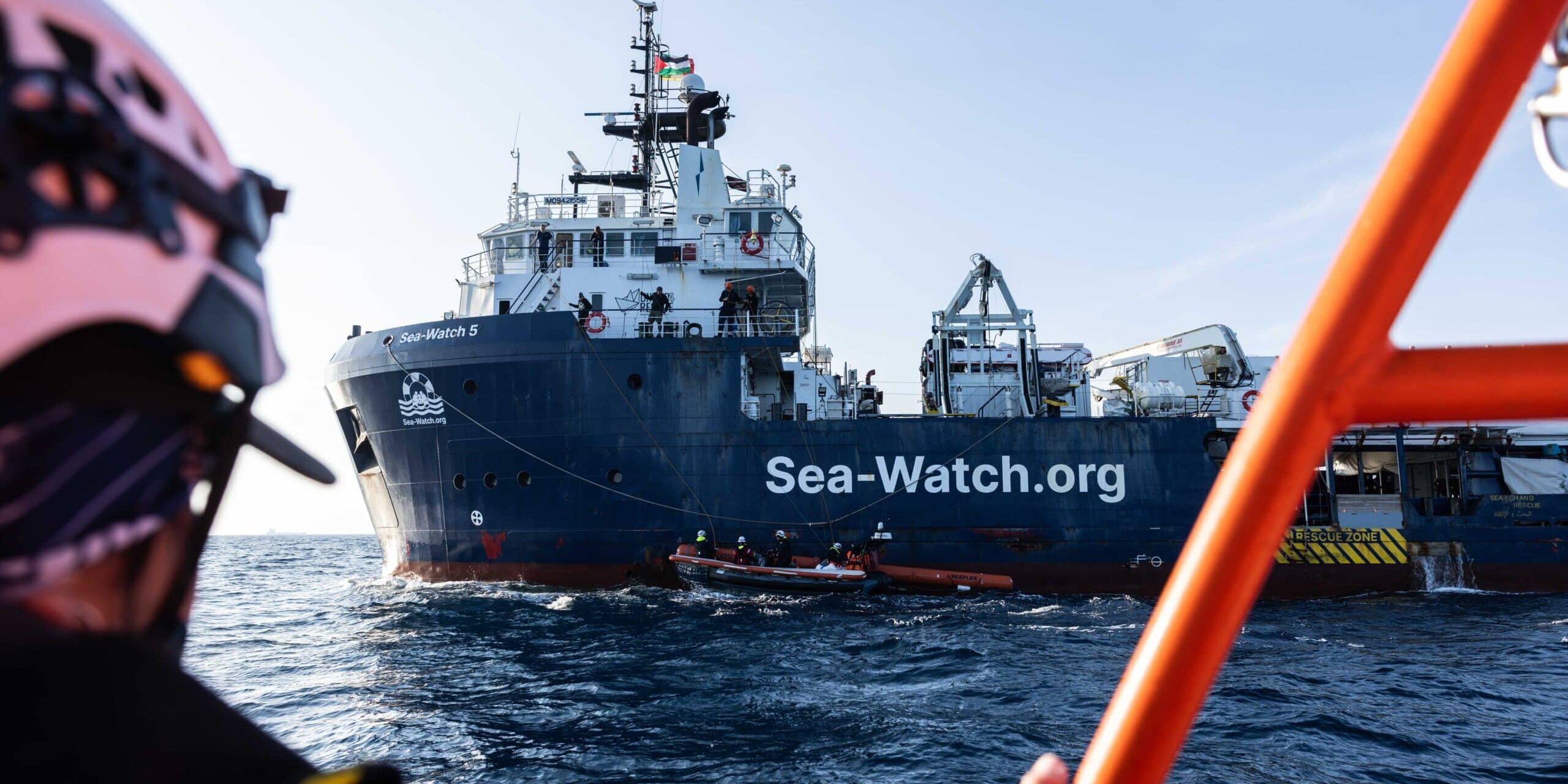
Sea-Watch, une organisation non gouvernementale allemande spécialisée dans le sauvetage civil en mer, affirme que ses navires ont secouru 227 personnes à bord d’embarcations en détresse en Méditerranée centrale en l’espace de 48 heures.
Les opérations de sauvetage ont été menées par le Sea-Watch 5 et l’Aurora 2 entre l’après-midi du dimanche 11 octobre et la soirée du lundi 12 octobre 2026, selon un communiqué publié par l’organisation le 13 octobre.
Les personnes secourues se trouvaient à bord de cinq embarcations en détresse dans les eaux internationales. Au cours des opérations, les deux équipages ont également repéré des navires non identifiés qui s’approchaient de leurs bateaux de sauvetage.
Lors d’un incident, un individu s’identifiant par radio comme appartenant à la marine libyenne a menacé de poursuivre l’équipage du Sea-Watch 5 à Tripoli s’il ne quittait pas une zone réglementée située à proximité d’une plateforme pétrolière offshore.
La porte-parole de Sea-Watch, Julia Winkler, s’est réjouie du succès des opérations de sauvetage, tout en critiquant les autorités italiennes pour avoir assigné au Sea-Watch 5 un port éloigné.
« Nous sommes extrêmement heureux que 227 personnes aient survécu à cette traversée dangereuse. Le sauvetage de 227 personnes en 48 heures montre à quel point les navires de sauvetage sont indispensables », a déclaré Julia Winkler.
Elle a estimé que la décision des autorités italiennes d’orienter le navire vers Civitavecchia, à environ 900 kilomètres de distance, réduirait considérablement sa capacité à mener de nouvelles opérations de sauvetage.
« Réduire délibérément les capacités de sauvetage est un choix politique aux conséquences meurtrières », a-t-elle ajouté.
Selon l’organisation, le Sea-Watch 5 a secouru 151 personnes au cours de trois opérations distinctes.
Dimanche, son équipage a sauvé 28 personnes à bord d’une embarcation en train de couler, après avoir reçu une alerte d’un avion exploité par SOS MEDITERRANEE, une autre organisation humanitaire spécialisée dans le sauvetage en mer.
L’équipage a ensuite secouru 51 autres personnes à la suite d’une alerte d’Alarm Phone, une ligne téléphonique d’urgence qui vient en aide aux personnes en détresse lors des traversées maritimes. Avant cette deuxième opération, un navire non identifié a tourné à plusieurs reprises autour du Sea-Watch 5.
Lundi matin, l’équipage a reçu une alerte concernant une autre embarcation en détresse dans une zone réglementée située à proximité d’une plateforme pétrolière offshore.
Après qu’un navire de ravitaillement associé à la plateforme eut autorisé le Sea-Watch 5 à pénétrer dans la zone pour porter assistance aux personnes en détresse, un individu se présentant comme appartenant à la marine libyenne a ordonné au navire de sauvetage de quitter les lieux.
Cet individu a menacé de traduire l’équipage devant un tribunal à Tripoli s’il ne se conformait pas à cet ordre. L’équipage de Sea-Watch est finalement parvenu à désamorcer la situation et à secourir les 72 personnes qui se trouvaient à bord de l’embarcation.
De son côté, l’Aurora 2 a secouru 76 personnes au cours de deux opérations menées lundi.
Lors de la première opération, une embarcation grise en fibre de verre, non identifiée et transportant quatre personnes, s’est approchée de très près du navire de sauvetage sans entrer en contact avec lui.
Plus tard dans la soirée, l’Aurora 2 a porté assistance à une autre embarcation en détresse en contribuant à la stabiliser jusqu’à l’arrivée des garde-côtes italiens, qui ont pris en charge les personnes à bord.
Alors que les autorités italiennes avaient assigné le port de Civitavecchia au Sea-Watch 5, l’Aurora 2 a été dirigé vers l’île de Lampedusa, où il est arrivé vers 21 h 30.
Sea-Watch a indiqué que l’Aurora 2 n’aurait pas été en mesure de rejoindre un port plus éloigné en raison de ses réserves limitées de carburant.
Ces opérations de sauvetage interviennent dans un contexte de préoccupations persistantes concernant les décès et les disparitions de migrants le long des routes migratoires en Méditerranée.
Selon le Projet sur les migrants disparus de l’Organisation internationale pour les migrations (OIM), au moins 1 982 personnes sont mortes ou ont disparu en Méditerranée depuis le début de l’année 2026.
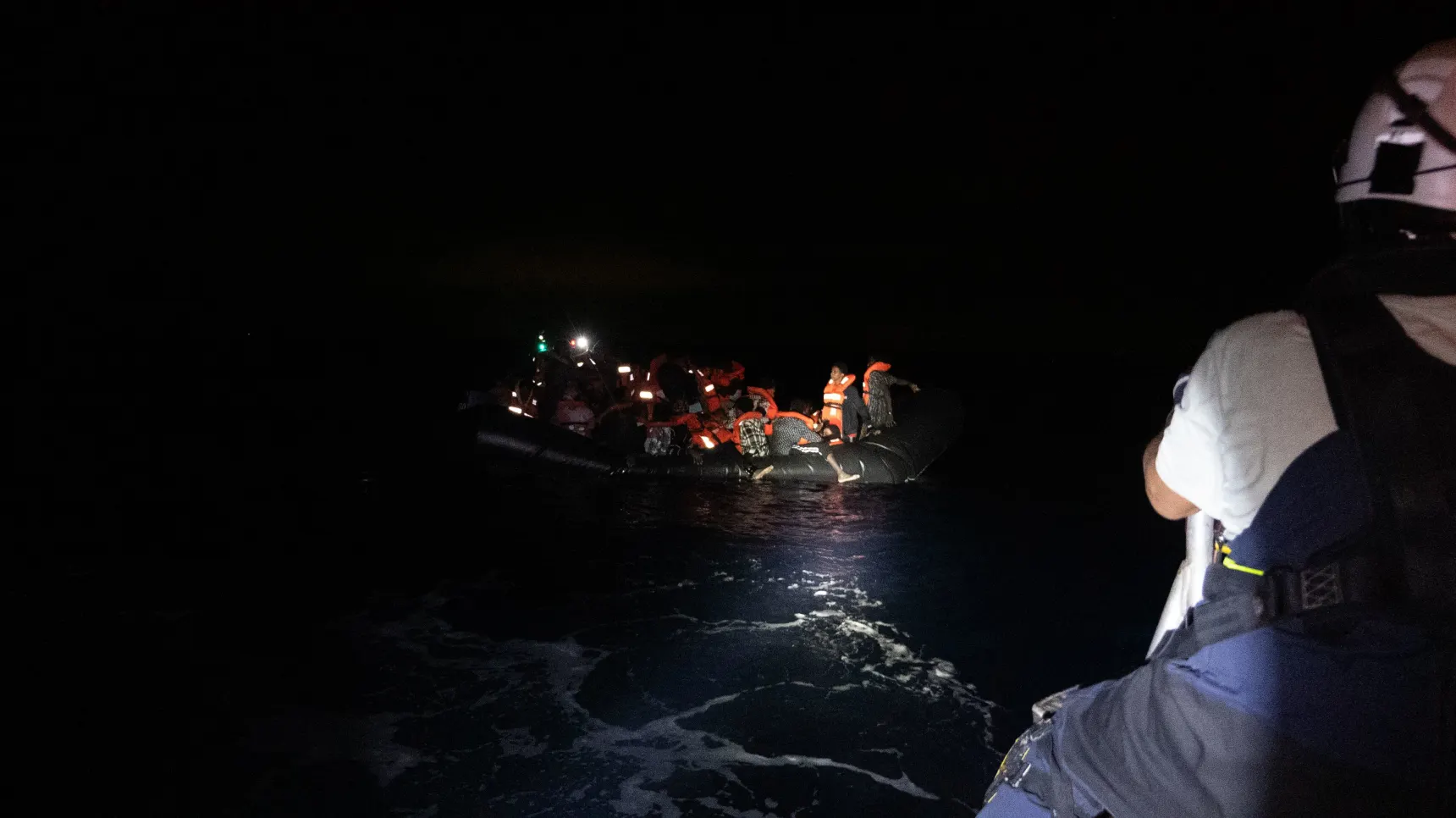
Sea-Watch, a German non-governmental organisation involved in civilian sea rescue, says its vessels rescued 227 people from boats in distress in the central Mediterranean within 48 hours.
The rescues were carried out by the Sea-Watch 5 and Aurora 2 between Sunday afternoon, October 11, and Monday evening, October 12, 2026, according to a statement issued by the organisation on October 13.
The rescued people were found aboard five boats in distress in international waters. During the operations, both crews also encountered unidentified vessels approaching their rescue ships.
In one incident, an individual identifying itself over the radio as the Libyan Navy threatened to prosecute the Sea-Watch 5 crew in Tripoli if they failed to leave a restricted area near an offshore oil platform.
Sea-Watch spokesperson Julia Winkler welcomed the successful rescue operations but criticised Italian authorities for assigning the Sea-Watch 5 a distant port.
“We are incredibly happy that 227 people survived the dangerous journey. The rescue of 227 people in 48 hours shows how urgently rescue ships are needed,” Winkler said.
She said the Italian authorities’ decision to direct the vessel to Civitavecchia, approximately 900 kilometres away, would significantly reduce its ability to carry out further rescue operations.
“Deliberately reducing rescue capacity is a political choice with deadly consequences,” she added.
According to the organisation, the Sea-Watch 5 rescued 151 people in three separate operations.
On Sunday, its crew rescued 28 people from a sinking boat after receiving an alert from an aircraft operated by SOS MEDITERRANEE, another humanitarian organisation involved in sea rescue.
The crew subsequently rescued another 51 people following an alert from Alarm Phone, a hotline that supports people in distress during sea crossings. Before the second operation, an unidentified vessel repeatedly circled the Sea-Watch 5.
On Monday morning, the crew received an alert about another boat in distress in a restricted area near an offshore oil platform.
After a supply vessel associated with the platform authorised the Sea-Watch 5 to enter the area and assist those in distress, an individual identifying itself as the Libyan Navy ordered the rescue ship to leave.
The individual threatened to bring the crew before a court in Tripoli if it failed to comply. The Sea-Watch crew eventually de-escalated the situation and rescued all 72 people aboard the boat.
Meanwhile, the Aurora 2 rescued 76 people in two operations on Monday.
During the first operation, an unidentified grey fibreglass boat carrying four people approached the rescue vessel closely without making contact.
Later that evening, the Aurora 2 assisted another boat in distress by helping to stabilise it until the Italian Coast Guard arrived and took the people aboard.
While Italian authorities assigned the Sea-Watch 5 to Civitavecchia, the Aurora 2 was directed to the island of Lampedusa, where it arrived at approximately 9:30 p.m.
Sea-Watch said the Aurora 2 would not have been able to reach a more distant port because of its limited fuel reserves.
The rescue operations come amid continued concerns over migrant deaths and disappearances along Mediterranean migration routes.
According to the International Organization for Migration’s Missing Migrants Project, at least 1,982 people have died or gone missing in the Mediterranean since the beginning of 2026.

Soudan : les attaques de drones perturbent les cours à El-Obeid, alerte le NRC

Sudan: Drone attacks disrupt school lessons in El Obeid- NRC

Sea-Watch secourt 227 migrants en Méditerranée en 48 heures

Sea-Watch rescues 227 migrants in Mediterranean within 48 hours

Un avocat ougandais exhorte l’UA à rejeter les accords migratoires avec l’Europe
-
 Features2 weeks ago
Gaza : Près de deux millions de personnes ont besoin d’une aide d’urgence en matière d’hébergement
-

 News Extra2 weeks ago
NACTAL conteste le rapport américain sur la traite des personnes et exige la reconnaissance des contributions des organisations de la société civile nigérianes
-
 News Extra2 weeks ago
Un avocat ougandais exhorte l’UA à rejeter les accords migratoires avec l’Europe
-
 News Extra1 week ago
Sudan: Drone attacks disrupt school lessons in El Obeid- NRC
-

 Features2 weeks ago
Nigerian immigrants face hidden mental health challenges despite success, expert warns
-
 Features2 weeks ago
Gaza: About two million need urgent shelter assistance
-

 News Extra2 weeks ago
NACTAL faults US trafficking report, demands recognition of Nigerian CSOs’ contributions
-

 News Extra2 weeks ago
US to deport fresh set of Nigerians over alleged criminal offences