
Features
Borderline-Europe holds protest against CEAS Nov 26


Borderline- Europe will be holding protest march against Common European Asylum System (CEAS) on November 26.
The organisation in a terse statement announcing the protest said called on interested individuals and groups to join the protest.
It said: “Join us as we take to the streets together on 26 November to protest against further tightening of the Common European Asylum System (CEAS)!
“📢 The right to asylum is not negotiable! See you on Sunday, 13.00 @Oplatz
#stopgeas #stopceas #asylistkeinekrise #asylumisnotacrisis”
What is CEAS
In order to make it possible our readers to understand what CEAS is all about, we here reproduce an article by the European Union Agency for Asylum titled: Common European Asylum System and current issues.
Background
The Common European Asylum System (CEAS) is a legal and policy framework developed to guarantee harmonised and uniform standards for people seeking international protection in the EU. It is based on an understanding that the EU, an area of open borders and freedom of movement where countries share the same fundamental values, needs to have a common approach to implement transparent, effective and equitable procedures.65 CEAS emphasises a shared responsibility to process applicants for international protection in a dignified manner, ensuring fair treatment and similar procedures in examining cases, irrelevant of the country where the application is lodged.66 At its core, CEAS aims to achieve:
Within the context of CEAS, the Tampere Declaration set out the foundation for a comprehensive approach to migration by addressing political, human rights and developmental issues in countries and regions of origin and transit.68 Through this agreement with governments, legislative and policy measures were adopted at the EU level to set a framework to manage high influxes of displaced persons by accommodating persons in need of protection while supporting Member States experiencing pressure on their asylum systems.69
After the first phase (from 1999 to 2005), Member States reflected on the functioning of CEAS and implemented improvements to the five legislations that govern the minimum standards of the European asylum system:70
Recast Asylum Procedures Directive;71
Recast Reception Conditions Directive;72
Recast Qualification Directive;73
Recast Dublin III Regulation;74 and
Recast Eurodac Regulation.75
The increased – and often uneven – pressure that national asylum and reception systems in EU+ countries faced since 2015 presented both a challenge and an opportunity for EU+ countries to take bold steps toward systemic and commonly-agreed solutions for further harmonisation, on the basis of solidarity and responsibility-sharing. Above all, it underlined the importance of the very existence of CEAS and a common migration policy – to have an EU-wide framework to manage mixed migratory flows,iv including border management, international protection and the return of rejected applicants. In the EU context, mixed migratory flows are defined as “complex migratory population movements, including refugees, asylum seekers, economic migrants and other types of migrants as opposed to migratory population movements that consist entirely of one category of migrants”.
Towards the reform of the Common European Asylum System.Source: EASO.
To further refine CEAS, in 2016 the EU Commission published a report, Communication Towards a Reform of the Common European Asylum System and Enhancing Legal Avenues to Europe,76 where five priority areas were defined:
Establishing a sustainable and fair system for determining the Member State responsible for asylum seekers;
Achieving greater convergence in the EU asylum system;
Reinforcing the Eurodac system, an EU asylum fingerprint database which makes it easier for EU Member States to determine the state responsible for examining an asylum application;
Preventing secondary movements within the EU;v and
Establishing a new mandate for the EU’s Asylum Agency.
Subsequently, in May and July 2016, the European Commission presented two packages of reform proposals for the core components of the CEAS. These included:
A reform of the Dublin system to better balance responsibility and solidarity for asylum applications among EU+ countries;78
Steps toward reinforcing the Eurodac regulation, including increasing the efficiency of the EU database on fingerprints for asylum applicants;79
Strengthening the mandate of EASO toward a fully-fledged agency for asylum;80
Replacing the Asylum Procedures Directive with a regulation directly applicable in national asylum systems to harmonise asylum procedures across EU+ countries and achieve convergence in recognition rates;81
Replacing the Qualification Directive with a regulation directly applicable in national asylum systems to further harmonise protection standards and rights for beneficiaries of international protection;82 and
Reforming the Reception Conditions Directive to ensure that applicants for international protection benefit from harmonised and dignified reception standards and prevent secondary movements and abuse.83, 84
For a detailed description of the proposals, see the EASO Annual Report on the Situation of Asylum in the European Union 2017. Finally, as part of the initiatives on reforming the CEAS, the Commission put forth a proposal to establish a permanent Union Resettlement Framework, which aims to replace existing ad hoc schemes and:
Provide legal and safe pathways to the EU and reduce the risk of massive irregular arrivals in the long term;
Provide common rules for resettlement and humanitarian admission;
Contribute to global resettlement and humanitarian admission initiatives; and
Support third countries which host many persons in need of international protection.85
Recent developments
Since the new proposals were set forth (see Table 2.1), significant progress has been made, in particular concerning the EU Asylum Agency, the Eurodac Regulation, the Union Resettlement Framework Regulation, the Qualification Regulation and the Reception Conditions Directive.86 However, due to fundamental political differences among EU Member States, agreement on the proposals for a reformed Dublin system and an Asylum Procedures Regulation could not be reached.87 In addition, the majority of Member States expressed reservations in adopting one or more of the proposals separately before all were ready for adoption. With 2019 being a year of elections for the European Parliament, the negotiations for the reform package were referred to the next parliamentary term. Accordingly, in 2019 no major legislative progress was noted regarding the adoption of the CEAS reform package.vi
Given the deadlock in negotiations on the CEAS package, in a policy note published in October 2019, the European Council on Refugees and Exiles (ECRE) identified key priorities and provided recommendations to enhance the functionality of CEAS. ECRE’s position is that the focus should be on compliance, not reform, with two exceptions: a) while the proposal for Dublin IV Regulation should be withdrawn, a legislative reform of the Dublin system is ultimately needed; and b) a new legal base for the transformation of EASO into the EU Asylum Agency remains necessary.88
Detailed information on the specifics of the procedure and progress made to date concerning each of the proposals may be found on the EUR-Lex webpage, as follows:
At the legislative level, progress was made in areas directly related to asylum. In May 2019, the Council of the EU adopted two regulations establishing a framework for the interoperability of EU information systems in the area of justice and home affairs, which include:
A European search portal through which competent authorities will be able to perform searches across multiple information systems using biographical and biometric data;
A shared biometric matching service to compare biometric data (fingerprints and facial images across several system);
A common identity repository of biographical and biometric data of third country nationals available in EU information systems; and
A multiple identity detector to check whether biographical identity data exist in other systems, which would enable the detection of multiple identities linked to the same set of biometric data.89
This information-sharing enables more efficient checks at the external borders of the EU, facilitates the detection of multiple identities and assists in maintaining the integrity of asylum systems.90 It also is of crucial importance to the work of EASO as under Article 39 there is a potential to extract non-personal statistics from each of the large-scale EU IT systems to create the first cross-system comprehensive overview of asylum and migration to and within the European Union. Such a system would allow linked data to be extracted which count individuals rather than procedures. This would enable analysts to deliver much-needed evidence to policy-makers in Member States and the EU and EASO could design effective operational responses to support Member States under disproportional pressure. But there are prerequisites to such a system: it must be legal, the data must be extracted in the correct format and appropriate agencies need to have access.
In addition, in June 2019, the Council adopted its partial common position on the recast Return Directive which was proposed by the Commission in September 2018. The overall aim of the proposed new rules is to render return procedures less time-consuming, prevent absconding and secondary movements, and increase the rate of implemented returns. It is still essential, however, to respect the fundamental rights of migrants and the principle of non-refoulement so that an asylum seeker is not expelled from a territory without due process to file an application for international protection .
The topic of asylum remained high on the EU political agenda in 2019 and considerable work was accomplished in policy implementation and practical cooperation among Member States. In a number of meetings of the Strategic Committee on Immigration, Frontiers and Asylum (SCIFA), it was underlined that, pending legislative negotiations, much could be achieved through practical cooperation. Moreover, both presidencies of the Council of the European Union in 2019 set migration and asylum among their key priorities. The Romanian Presidency of the first semester listed among its main aims to:
Seek consensus on the CEAS reform package;
Advance interoperability and the implementation of IT systems developed at the EU level and support the adoption of the interoperability package as soon as possible;
Enhance the external dimension of migration policy by strengthening cooperation with countries of origin and transit;
Facilitate the discussion on the proposal to strengthen the operational capacity of the European Border and Coast Guard Agency (Frontex);
Support a more effective return policy at the European level through a sustainable approach, with full regard for migrant rights; and
Discuss visa liberalisation in parallel with the signing of readmission agreements.91
Offering its recommendations to the Romanian Presidency, UNHCR called for a number of priority areas to be addressed: for the EU to actively contribute to the implementation of the Global Compact on Refugees both inside and outside the EU; to engage outside of the EU to expand protection globally; to support the development of a fair, effective and well-managed EU asylum system; and to promote integration and access to equal opportunities for refugees to foster social cohesion.92
With regard to issues of migration and asylum, the programme of the Finnish Presidency, in the second semester of 2019, noted that, despite strong efforts, adopting the CEAS reform as a package proved, until then, unachievable. The programme, therefore, proposed to adopt individually the proposals on which consensus was reached. It also placed emphasis on resettlement and the establishment of the Union Resettlement Framework as an effective mechanism to assist those in the most vulnerable positions, while creating a more controlled way to ease migration pressures and to demonstrate solidarity towards countries receiving large numbers of displaced persons.
The Finnish EU Presidency programme further suggested to establish a temporary relocation mechanism for migrants rescued at sea. In terms of returning applicants to countries of origin, the Programme noted that the EU must use all means at its disposal – including positive and negative incentives in trade, development and visa policy – to make policy on returned applicants effective and sustainable. With regard to border management, the programme underlined that strengthening Frontex would help Member States to better control their borders and make the return of illegal immigrants more effective.93
In its recommendations, UNHCR called on the Finnish Presidency to improve the protection of refugees through enhanced responsibility-sharing in the EU and globally, in line with the Global Compact on Refugees; foster the development of fair, effective and well-managed asylum systems, including by reforming CEAS; and promote pledges by EU Member States ahead of the 2019 High-Level Segment on Statelessness.94
The EU’s Strategic Agenda for 2019-2024, which was adopted by the European Council in June 2019, set the main priorities for the next institutional cycle. In regards to migration and asylum, the agenda refers to external border management based on the principles and values of the EU; the need to strengthen cooperation with countries of origin and transit; and the need to achieve consensus on the reform of the Dublin system to achieve a balance of responsibility and solidarity, taking into account persons disembarked after search and rescue operations.95
The new European Commission, which took office in December 2019, acknowledged in its priorities for 2019-2024 that migration and border security are common challenges that are best addressed jointly by EU Member States. The five policy priorities in these area focus on: saving lives while preventing irregular migration flows; protecting borders with Frontex, which will have its own standing force and equipment to respond to emergencies swiftly; providing safe and legal pathways to people in need of protection through resettlement; and overhauling the EU’s asylum rules.96
In January 2020, the European Commission published its new work programme. The Commission plans to launch a new Pact on Migration and Asylum which will acknowledge the interconnectedness of internal and external aspects of migration and build more resilient, more humane and more effective migration and asylum systems.97 This proposal for a new pact was included in the political guidelines that the President of the European Commission, Ursula von der Leyen, presented during her candidacy. She also stressed relaunching the reform of the Dublin system; reinforcement of Frontex; overall modernisation of CEAS based on stable external borders and solidarity with Member States facing increased pressure; and stronger cooperation with countries of origin and transit countries through, for example, development initiatives to improve the conditions of young women and men in their countries of origin.98 In her speech at the European Parliament Plenary Session in November 2019, the President of the Commission reiterated her commitment to ensure that the EU will always provide shelter to those who are in need of protection, while ensuring that those who do not have the right to stay are returned to their country of origin.99
In January 2020, UNHCR presented a set of recommendations on the Commission’s pact on how the EU can achieve a functional approach to manage asylum-related movements by: a) engaging beyond its borders; b) offering protection through a well-managed common asylum system; and c) welcoming and integrating refugees.100 Similarly, in February 2020, various NGOs issued a joint statement on the new pact, seeing it as an opportunity to promote rights-based asylum and migration policies but cautioning against a disproportionate emphasis on border management and its negative implications on the rights of persons seeking protection in the EU.101





Features
Réintégration ou façade ? Les migrants nigérians de retour remettent en question la promesse d’un nouveau départ
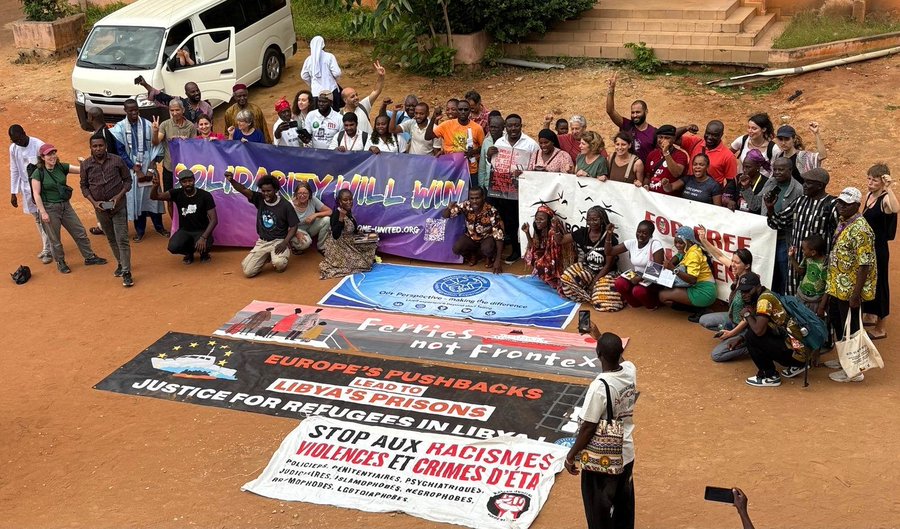
Au Forum social mondial de Cotonou, des migrants nigérians de retour ont remis en question la promesse de réintégration, estimant que ramener des personnes dans leur pays sans s’attaquer aux traumatismes, à la pauvreté, à la stigmatisation et aux raisons qui les avaient poussées à partir ne revient pas à les aider à reconstruire leur vie.
Pour de nombreux programmes de migration, le récit semble simple : un migrant part, rencontre des difficultés, rentre chez lui et reçoit un soutien pour recommencer.
Mais pour les migrants nigérians de retour qui se sont réunis au Forum social mondial à Cotonou en 2026, la réalité est bien plus complexe.
Derrière le langage du retour volontaire assisté et de la réintégration se cachent des histoires de détention, de coercition, de traumatismes, de stigmatisation, de formations inadéquates, d’entreprises ayant échoué et une question douloureuse qui a résonné tout au long de la discussion :
Réintégration dans quoi ?
Les participants ne se sont pas exprimés comme des statistiques ou des bénéficiaires de programmes migratoires. Ils ont parlé en tant que personnes ayant vécu le système migratoire et étant revenues affronter bon nombre des mêmes conditions sociales et économiques qui les avaient poussées à partir.
Leur argument central était sans détour : le retour physique n’est pas la réintégration.
Et lorsque des programmes présentent des aides, des formations ou un soutien financier comme la preuve d’une réintégration réussie alors que des problèmes plus profonds restent sans solution, les participants ont décrit le processus comme une « façade de réintégration ».
« On m’a simplement laissé repartir »
Pour Udo, l’échec a commencé presque immédiatement après son retour au Nigeria.
Il a expliqué être revenu dans un état psychologique profondément perturbé après avoir été détenu dans ce qu’il a décrit comme un centre de détention tristement célèbre. Selon lui, il avait besoin de soins médicaux, d’un accompagnement psychologique et de temps pour se rétablir.
Au lieu de cela, il a été hébergé pendant une seule nuit.
Le lendemain matin, il a été laissé repartir.
Deux mois plus tard, il a été rappelé pour suivre une formation en entrepreneuriat et a reçu une petite somme d’argent pour créer une entreprise dans un domaine qu’il ne connaissait pas auparavant. Il a également été associé à des personnes qu’il ne connaissait pas comme partenaires commerciaux.
Pour Udo, cet arrangement était presque voué à l’échec.
Cette expérience, a-t-il déclaré, a détruit une grande partie de la confiance qu’il lui restait dans le processus de réintégration.
Son histoire met en lumière l’une des principales faiblesses soulevées lors du Forum : le soutien ne peut être véritablement utile s’il est déconnecté de l’état réel de la personne, de ses compétences, de ses intérêts et de ses circonstances.
Un migrant qui sort tout juste de détention et d’un traumatisme peut avoir besoin d’un accompagnement psychologique avant de se lancer dans l’entrepreneuriat. Une personne sans expérience commerciale peut avoir besoin d’une formation et d’un mentorat durables plutôt que d’une petite subvention de démarrage. Et quelqu’un dont les raisons initiales de migrer restent inchangées peut avoir peu de raisons de croire que le retour au pays a résolu quoi que ce soit.
« Le facteur qui avait poussé à ma migration était toujours présent et n’avait toujours pas été traité », laissait entendre le témoignage d’Ude.
Pour lui, c’était la contradiction fondamentale.
Il était revenu.
Mais il n’avait pas été reconstruit.
Quand le « volontaire » ne semble pas volontaire
Pour plusieurs participants, le problème commence même avant la réintégration, avec le mot « volontaire ».
Rhoda s’est demandé si un retour pouvait véritablement être qualifié de volontaire lorsqu’un migrant est détenu et que rentrer dans son pays semble être la seule voie possible pour sortir de cette situation.
« Si quelqu’un est détenu et que la seule option qui s’offre à lui pour sortir de cette situation est de retourner dans son pays, peut-on vraiment dire que le retour est volontaire ? », a-t-elle demandé.
Awe a livré un témoignage encore plus personnel.
Il a décrit son retour de Libye comme tout sauf volontaire, affirmant avoir été confronté à des conditions dans lesquelles rester semblait revenir à mettre sa vie en danger.
Il se souvenait avoir été confronté à deux choix : retourner au Nigeria ou rester en Libye au milieu de la violence et de l’insécurité.
« J’ai dû retourner au Nigeria plutôt que de rester en Libye et y mourir », selon son témoignage.
Pour les participants, de telles expériences remettent en question le langage bien ordonné souvent utilisé pour décrire les programmes de retour.
Une décision prise dans un contexte de détention, de peur, de violence, d’insécurité ou d’absence d’alternatives réalistes peut être officiellement enregistrée comme un retour, mais les participants ont souligné que les circonstances entourant cette décision sont importantes.
Le consentement ne peut être compris indépendamment des conditions dans lesquelles il est donné.
Le programme économique ne définit pas la personne
Une autre critique majeure concernait la composante économique de la réintégration.
Les participants ont remis en question un modèle dans lequel les migrants de retour sont fréquemment orientés vers de petites entreprises et de courtes formations professionnelles, comme si l’entrepreneuriat constituait une solution universelle aux conséquences complexes de la migration.
Rhoda a posé la question simplement :
Pourquoi l’entrepreneuriat devrait-il être la réponse pour tout le monde ?
Certains migrants de retour souhaitent trouver un emploi. D’autres veulent reprendre leurs études. Certains souhaitent apprendre les nouvelles technologies, exercer une profession ou entreprendre une carrière complètement différente.
Le problème, a-t-elle expliqué, est ce qui se produit lorsque les programmes sont conçus pour les migrants de retour sans être conçus avec eux.
Olu a défendu le même point de vue sous un angle plus large.
Pour lui, la réintégration doit donner aux migrants les moyens d’agir plutôt que devenir un mécanisme destiné à décourager la migration.
Les personnes ayant une expérience directe de la migration, a-t-il soutenu, doivent participer à l’élaboration des politiques migratoires et de réintégration.
« Rien sur les migrants sans la voix des migrants », telle était l’idée qui sous-tendait son intervention.
Ido s’est montré particulièrement critique à l’égard de la composante de formation professionnelle des programmes de réintégration.
Il a fait valoir qu’une formation de quelques jours ou de quelques mois ne peut pas nécessairement produire des artisans ou des professionnels compétents capables de subvenir durablement à leurs besoins sur des marchés concurrentiels.
Il a cité des exemples de migrants de retour formés comme tailleurs, barbiers, coiffeurs et installateurs de systèmes d’énergie solaire en des périodes très courtes.
La question n’est pas de savoir si ces compétences sont utiles.
La question est de savoir si l’intervention offre suffisamment de temps, d’équipements, de mentorat, d’accès au marché et de suivi pour transformer ces compétences en moyens de subsistance durables.
Une machine à coudre, un kit de barbier ou une subvention pour créer une entreprise peuvent constituer des statistiques attrayantes pour un programme.
Mais la survie d’un migrant de retour ne peut être mesurée par le nombre d’articles contenus dans un kit de réintégration.
Le traumatisme qui n’apparaît pas dans le programme
L’une des préoccupations les plus persistantes exprimées à Cotonou concernait peut-être la dimension psychologique du retour.
Immaculate a soutenu que la réintégration devait prendre en compte la personne dans son ensemble.
Un migrant peut revenir avec des traumatismes liés à la détention, à la violence, à l’exploitation, à la déception et aux voyages dangereux. Ces expériences ne disparaissent pas à la frontière.
Pourtant, le soutien économique peut parfois dominer les programmes de réintégration tandis que l’accompagnement psychosocial reçoit moins d’attention.
Le résultat peut être une personne qui a techniquement reçu une « aide à la réintégration », mais qui reste émotionnellement et socialement incapable de reconstruire sa vie.
Immaculate a posé une série de questions qui vont au-delà de la simple livraison d’un programme d’aide :
L’entreprise est-elle durable ?
Le migrant de retour a-t-il accès à un accompagnement psychologique ?
Sa famille le soutient-elle ?
Existe-t-il des possibilités d’emploi ?
La communauté a-t-elle accepté la personne ?
Et que se passe-t-il lorsque l’aide initiale prend fin ?
Ces questions renvoient à une autre définition de la réintégration : une définition fondée non pas sur la distribution d’une aide, mais sur l’amélioration réelle des conditions de vie d’une personne.
Du survivant à la « success story »
Ife et Ewa ont soulevé une autre dimension inconfortable : la manière dont les récits des migrants de retour peuvent être utilisés par les institutions et les campagnes.
Ife a décrit des situations dans lesquelles des migrants sont invités à raconter leurs expériences traumatisantes, avant que ces récits ne deviennent des outils destinés à décourager d’autres personnes de migrer.
La souffrance du migrant devient un message de campagne.
La douleur du migrant devient une preuve.
Le survivant devient un avertissement.
Mais qu’advient-il de la personne derrière cette histoire ?
Ife a dénoncé la tendance à présenter les migrants principalement comme des victimes impuissantes, estimant que leurs compétences, leurs connaissances, leur résilience et leur capacité à provoquer des changements sont souvent négligées.
Les étiquettes peuvent être destructrices.
Les migrants de retour peuvent être décrits comme des victimes, des personnes avides, ingrates, exigeantes, indisciplinées ou insatiables, tandis que leurs capacités et leurs aspirations disparaissent derrière ces étiquettes.
Les participants ont appelé à un changement du récit centré sur la victimisation vers une approche qui reconnaît les migrants de retour comme des personnes capables d’agir et de faire des choix.
Cela ne signifie pas nier les traumatismes qu’ils ont subis.
Cela signifie refuser que le traumatisme devienne leur identité entière.
« Ils se bouchaient le nez »
Le témoignage d’Ewa a mis en évidence la question de la stigmatisation.
Elle a raconté être rentrée au Nigeria en 2017 et avoir rencontré des personnes qui se présentaient comme des humanitaires, mais qui traitaient les survivants avec discrimination.
Elle se souvenait de personnes qui se bouchaient le nez parce qu’elles pensaient que les survivants sentaient mauvais.
C’était un petit geste, mais pour elle, il représentait quelque chose de beaucoup plus important : l’humiliation qui peut accompagner le retour.
Au lieu d’être accueillis avec dignité, les survivants peuvent rentrer et faire face au jugement.
Certains se voient reprocher leur avidité.
D’autres s’entendent dire qu’ils n’auraient jamais dû partir.
Certains sont amenés à penser que les abus, l’exploitation ou la violence qu’ils ont subis étaient finalement de leur propre faute.
Pour les survivants, de telles attitudes peuvent aggraver le traumatisme plutôt que contribuer à sa guérison.
Ewa a également relaté des expériences au cours desquelles des organisations auraient conduit des migrants de retour dans des centres de réhabilitation sans consentement adéquat, limité leurs communications avec leurs familles et inscrit des personnes à des programmes de formation qu’elles n’avaient pas choisis.
Elle a expliqué avoir dû se battre pour obtenir sa propre libération avant de pouvoir retrouver sa famille.
Son témoignage soulève un principe fondamental pour les programmes de réintégration :
Le soutien ne doit jamais devenir une autre forme de contrôle.
Un système conçu sans les personnes qu’il prétend aider ?
Ara a décrit la réintégration comme un mécanisme pouvant être utilisé pour contrôler les migrants et renforcer le pouvoir plutôt que pour fournir le soutien promis.
Ido est allé plus loin, affirmant que le concept de réintégration peut permettre aux politiques migratoires européennes de se distancier des conséquences de ces politiques, tandis que la responsabilité est transférée aux gouvernements africains.
Sa critique reflète une préoccupation plus large exprimée lors du Forum au sujet de l’externalisation, c’est-à-dire le déplacement des responsabilités en matière de contrôle migratoire au-delà des frontières européennes.
Pour les participants, cela crée une séquence préoccupante.
La liberté de circulation est restreinte.
Les personnes se retrouvent bloquées ou détenues.
Elles rentrent dans des circonstances difficiles.
Elles reçoivent une aide limitée.
Leurs histoires sont ensuite utilisées pour décourager d’autres migrants d’entreprendre des voyages similaires.
Et tout cela peut être présenté comme une intervention réussie de réintégration.
Ife a résumé cette contradiction sans détour :
Après avoir restreint la liberté de circulation des personnes et les avoir renvoyées dans des circonstances difficiles, les institutions utilisent ensuite leurs expériences pour faire avancer des programmes de contrôle migratoire — et appellent cela la réintégration.
La réintégration doit commencer par l’écoute
Les participants nigérians au Forum social mondial ne rejetaient pas simplement l’aide.
Ils demandaient un autre type de soutien.
Un soutien qui commence par l’écoute.
Un soutien qui reconnaît que les migrants de retour ne sont pas tous identiques.
Un soutien qui ne suppose pas que tout le monde souhaite devenir entrepreneur.
Un soutien qui offre un accompagnement psychosocial parallèlement à l’aide économique.
Un soutien qui propose des formations significatives plutôt que des cours courts principalement conçus pour remplir des objectifs de programme.
Un soutien qui comprend un suivi à long terme.
Un soutien qui respecte le consentement et la liberté de choix.
Et surtout, un soutien qui permet aux migrants de retour de participer à la conception des interventions censées reconstruire leur vie.
L’argument des participants porte finalement sur la responsabilité.
Un programme de réintégration ne devrait pas être évalué simplement en fonction du nombre de personnes retournées, du nombre de bénéficiaires ayant reçu des aides, du nombre de participants à une formation ou du nombre d’entreprises créées.
Les questions les plus difficiles sont les suivantes :
La personne s’est-elle rétablie ?
L’entreprise a-t-elle survécu ?
A-t-elle trouvé un emploi significatif ?
Son état psychologique s’est-il amélioré ?
Sa famille et sa communauté l’ont-elles acceptée ?
A-t-elle repris le contrôle de sa vie ?
Et les conditions qui l’avaient poussée à migrer sont-elles toujours présentes ?
Si la réponse à ces questions est non, alors un retour a peut-être bien eu lieu — mais la réintégration reste incomplète.
La question que Cotonou laisse derrière elle
Le débat au Forum social mondial ne s’est pas conclu par un rejet de la réintégration.
Il exigeait plutôt que ce terme soit pris davantage au sérieux.
Pour Ude, la réintégration a échoué parce qu’une personne traumatisée a reçu un soutien insuffisant et a été censée créer une entreprise dans un domaine qu’elle ne connaissait pas.
Pour Rhoda, le terme « volontaire » mérite d’être examiné lorsque les personnes prennent des décisions dans un contexte de détention ou de pression extrême.
Pour Awe, le retour était un choix effectué sur fond de danger.
Pour Ido, les formations professionnelles courtes et les interventions économiques insuffisantes ne peuvent garantir l’indépendance promise par les programmes.
Pour Immaculate, la réintégration doit aller au-delà d’un simple programme d’aide pour englober la santé mentale, la famille, la communauté, l’emploi et la durabilité.
Pour Olu, les migrants ayant une expérience directe doivent avoir une place à la table des décisions.
Pour Ife, les migrants de retour ne doivent pas être réduits à des récits de souffrance servant les agendas d’autrui.
Pour Ewa, la dignité doit être au cœur de l’expérience du retour.
Et pour Ara, les rapports de pouvoir qui sous-tendent la réintégration doivent être affrontés.
Ensemble, leurs témoignages conduisent à une conclusion inconfortable :
Une personne ne peut pas être réintégrée simplement parce qu’elle a été renvoyée.
La réintégration n’est pas une valise remise à l’aéroport.
Ce n’est pas une subvention en espèces.
Ce n’est pas une formation professionnelle de trois mois.
Ce n’est pas une photographie d’un migrant de retour recevant du matériel.
Et ce n’est certainement pas une success story écrite avant que le migrant de retour ait eu la possibilité de reconstruire sa vie.
Une véritable réintégration doit signifier restaurer la capacité d’agir, la dignité, les opportunités, le sentiment d’appartenance et l’espoir.
Tant que ces éléments ne seront pas au cœur du processus, la question soulevée à Cotonou restera difficile à éluder :
Réintégration dans quoi ?
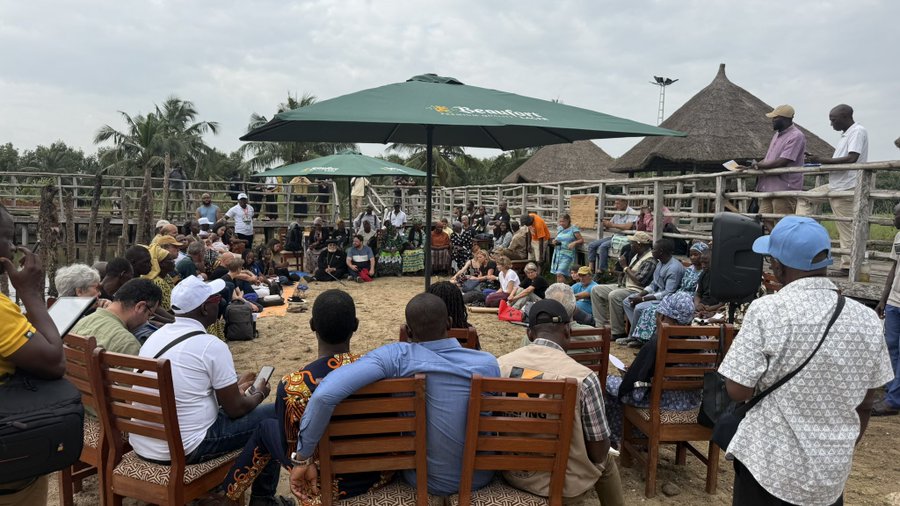
Pour nombre de Nigérians ayant participé au Forum social mondial (FSM) qui vient de s’achever à Cotonou, au Bénin, l’expérience a été bien plus qu’un rassemblement international d’activistes, d’organisations de la société civile, de chercheurs et de défenseurs des droits des migrants.
Pour un groupe de Nigérians de retour au pays, organisé au sein du Network of People with Migration Experience, qui a pris part au programme, ce fut un moment de remise en question.
Ce fut l’occasion d’écouter des voix venues de différentes régions du monde et, peut-être surtout, de remettre en question certaines idées qu’ils avaient auparavant sur la migration, les migrants et les politiques conçues pour contrôler la mobilité humaine.
Au fil des discussions sur les expulsions, l’externalisation des frontières, la criminalisation, la traite des personnes, le changement climatique, la réintégration et les droits des migrants, les participants ont découvert une compréhension plus large de la migration — une approche qui place la dignité humaine et les expériences vécues au centre.
Pour certains, le Forum a confirmé ce qu’ils pensaient déjà. Pour d’autres, il a entraîné un changement de perspective inconfortable, mais nécessaire.
Des statistiques aux personnes
L’une des leçons les plus fortes tirées de l’expérience des participants est que les migrants doivent être considérés comme des êtres humains plutôt que comme de simples statistiques, des sujets de politiques publiques ou des questions de sécurité.
Purity Franca Onikoliase, une défenseure des droits et du bien-être des migrants et des personnes de retour au pays, a décrit le Forum comme une « expérience significative et transformatrice ».
Elle a expliqué que les discussions l’avaient aidée à comprendre que la migration ne se résume pas au déplacement d’un pays à un autre.
Elle concerne également les droits humains, la dignité, la protection, la famille, les moyens de subsistance et la justice sociale.
Selon elle, le Forum a réuni des migrants, des personnes de retour au pays, des survivants, des organisations de la société civile, des défenseurs des droits et d’autres parties prenantes, permettant aux participants de découvrir des expériences souvent absentes des statistiques officielles et des documents de politique publique.
Ce même principe a trouvé un écho chez Alia Joke Oreoluwa, qui est rentrée de Cotonou avec la conviction renforcée que les migrants ne devraient pas simplement être des sujets dont d’autres parlent.
« Les migrants doivent être impliqués dans la conception des politiques, des programmes et des solutions qui affectent leur vie », a-t-elle déclaré, soulignant que les solutions doivent être fondées sur les expériences réelles et les besoins des personnes concernées.
Pour elle, le message était simple : rien concernant les migrants ne devrait être fait sans les migrants.
Repenser la signification de la « migration irrégulière »
Pour certains participants, l’impact le plus important du Forum a peut-être été la remise en question des récits traditionnels sur la migration irrégulière.
Rita Abu est arrivée au Forum avec une compréhension largement façonnée par son travail auprès des migrants de retour. Son attention avait souvent porté sur la sensibilisation aux dangers de la migration irrégulière — la traite des personnes, l’exploitation, les décès dans le désert ou en mer et d’autres risques rencontrés le long des routes migratoires.
Elle encourageait les personnes à emprunter des voies plus sûres et régulières lorsqu’elles étaient disponibles.
Mais Cotonou l’a amenée à poser une question différente.
Pourquoi les gens empruntent-ils des routes dangereuses en premier lieu ?
Cette question a déplacé l’attention de la décision du migrant vers les conditions qui entourent cette décision.
Abu a déclaré avoir commencé à comprendre que la migration en elle-même n’est pas nécessairement le problème. Les êtres humains ont toujours migré à la recherche d’un emploi, d’une éducation, du regroupement familial, de la sécurité et de meilleures opportunités.
Ce qui mérite un examen plus approfondi, a-t-elle compris, ce sont les politiques et les systèmes de contrôle des frontières qui peuvent rendre la migration de plus en plus difficile et, dans certaines circonstances, plus dangereuse.
Cette expérience lui a laissé une question qui continue de la préoccuper :
Pourquoi la migration sûre est-elle devenue si difficile que des personnes sont prêtes à risquer leur vie pour se déplacer ?
Au-delà de la définition européenne
Ejike Ezeonyido a lui aussi décrit le Forum comme une occasion d’aller au-delà de ce qu’il considérait auparavant comme l’interprétation européenne dominante de la migration.
L’expérience a élargi ses connaissances sur la migration et les droits des migrants, en l’exposant aux travaux d’experts et d’activistes venus de différentes régions du monde.
Il a également découvert plusieurs groupes de travail consacrés à la migration et examinant des questions telles que l’externalisation, la criminalisation, les expulsions, les décès et les disparitions, ainsi que le changement climatique et la migration.
Plus révélateur encore, il est parvenu à une prise de conscience personnelle : sans le savoir, il faisait la promotion de ce qu’il a décrit comme une « migration MADE IN EUROPE ».
Selon lui, le Forum lui a donné les moyens de participer aux discussions sur la migration en tenant compte de différents contextes et perspectives.
Ce changement — passer de l’acceptation des récits dominants à leur remise en question — a également été souligné par Chylian Ify Azuh.
Azuh a déclaré que le Forum lui avait apporté « des connaissances critiques, des connexions transnationales et de la solidarité », tout en approfondissant sa compréhension des rapports de force qui entourent la migration.
Elle a découvert des perspectives qui allaient au-delà des discussions familières sur la migration sûre et irrégulière, la traite, le retour et la réintégration.
Les discussions sur la liberté de circulation, l’externalisation des frontières et la criminalisation de la migration ont remis en question sa compréhension antérieure.
Plus important encore, elle a commencé à poser des questions difficiles sur la manière dont les récits sur la migration sont construits.
Qui et qu’est-ce qui est responsable de la vulnérabilité des migrants ?
Qui définit le problème et la solution ?
Et quelles sont les conséquences de ces solutions ?
Pour Azuh, le Forum n’a donc pas été simplement une expérience éducative. Il est devenu un moment de réflexion sur son propre rôle dans la construction des récits sur la migration et un appel à agir de manière plus délibérée contre la désinformation et ce qu’elle décrit comme la corruption dans le secteur de la migration.
Quand les frontières dépassent les frontières
La question de l’externalisation est revenue à plusieurs reprises dans les réflexions des participants.
Yaramola Blessing est arrivée au Forum avec l’idée que la lutte autour de la migration était essentiellement une confrontation entre l’Europe et l’Afrique — ou entre les Blancs et les Noirs.
Cotonou a changé cette perception.
Elle y a rencontré des personnes de différents pays, communautés et milieux qui s’organisaient également pour défendre les droits des migrants et la justice.
Cette découverte lui a donné le sentiment que cette lutte n’était pas limitée à l’Afrique ou à des activistes individuels. Elle faisait partie d’un mouvement mondial plus vaste.
Les discussions l’ont également aidée à mieux comprendre les questions qu’elle se posait depuis des années sur les politiques migratoires, le contrôle des frontières et l’approche de l’Union européenne en matière de migration.
Les sessions consacrées aux frontières, aux limites territoriales et à l’externalisation lui ont fourni un cadre pour comprendre comment les systèmes de contrôle migratoire fonctionnent au-delà des frontières géographiques de l’Europe et comment leurs effets se font sentir dans les pays africains.
Elle a également approfondi sa compréhension de la xénophobie, reconnaissant que l’hostilité envers les migrants n’est pas uniquement alimentée par les préjugés individuels, mais peut aussi être influencée par la politique, les mesures gouvernementales, la désinformation et la peur.
Le résultat a été un sentiment plus fort de détermination.
Blessing a déclaré être rentrée avec de meilleures connaissances, un vocabulaire plus approprié et davantage de confiance pour défendre la justice migratoire, la réintégration et les droits des survivants.
Expulsion, retour et question de la dignité
Le Forum a également contraint les participants à se confronter aux expériences de personnes qui ont déjà effectué le parcours migratoire et sont revenues — volontairement ou à la suite d’une expulsion.
Pour Udekwe Kennedy Obinna, l’un des aspects les plus révélateurs du Forum a été d’en apprendre davantage sur les structures d’expulsion en Europe et sur le rôle d’agences telles que Frontex.
Il a déclaré que les discussions avaient mis en évidence des lacunes qui nécessitent un engagement accru des organisations de la société civile et des acteurs gouvernementaux dans les pays concernés.
Selon lui, un tel engagement est nécessaire pour identifier les failles, soutenir les organisations locales et donner davantage de visibilité aux expériences des victimes, des migrants potentiels et des survivants.
Mais la leçon la plus importante pour lui a peut-être été la nécessité de remettre en question la présentation des personnes expulsées et de retour comme des criminels.
Les personnes de retour, a-t-il souligné, ne devraient pas être automatiquement considérées sous l’angle de l’échec, de l’illégalité ou de la criminalité.
Leur dignité et leur confiance doivent être restaurées.
Cela nécessite un soutien psychosocial, des programmes de réintégration plus solides et une reconnaissance plus large du fait que les migrants de retour sont des personnes dont la vie, les aspirations et les expériences se poursuivent au-delà de la fin de leur parcours migratoire.
Connaissances, réseaux et inspiration renouvelée
Au-delà des débats sur les politiques et des discussions critiques, le Forum a également créé quelque chose d’aussi important : des relations.
Aah Esther a déclaré être rentrée avec trois acquis majeurs — des connaissances, de nouveaux réseaux et de l’inspiration.
Écouter les mouvements venus de différentes régions du monde a élargi sa compréhension de la manière dont les populations luttent pour la justice et soutiennent la réintégration.
Le Forum l’a également mise en contact avec des organisations avec lesquelles des partenariats pourraient éventuellement être développés.
Mais sa principale leçon personnelle a été le rappel que le travail des défenseurs des droits des migrants est important.
« Au-delà des stéréotypes liés à la narration se trouve notre expertise », a-t-elle déclaré.
Ce sentiment de solidarité a été partagé par d’autres participants, qui ont raconté avoir rencontré des activistes et des organisations ayant consacré des années à contester des politiques qu’ils considèrent comme préjudiciables aux migrants.
Pour beaucoup, constater que ce travail était mené dans plusieurs pays a transformé ce qui aurait pu être une lutte accablante en un combat partagé.
La migration nécessite des solutions régionales
Tobi Ayediran a ramené la discussion à une réalité fondamentale : la migration ne s’arrête pas aux frontières nationales.
Sa principale leçon du Forum est que la migration ne peut être traitée par un seul pays.
Il s’agit d’une question régionale qui nécessite une coopération transfrontalière, particulièrement en Afrique de l’Ouest.
La migration est étroitement liée au chômage, à la pauvreté, à l’insécurité, au changement climatique, à la traite des personnes, à l’exploitation et à la recherche de meilleures opportunités. Par conséquent, les réponses doivent aller au-delà du contrôle des frontières et s’attaquer aux circonstances qui façonnent les décisions des personnes de migrer.
Ayediran a également souligné la nécessité de créer des voies de migration sûres, de protéger les droits des migrants, de prévenir la traite des personnes et de garantir une réintégration durable aux personnes de retour.
Au cœur de toutes ces interventions, a-t-il déclaré, doit se trouver la personne.
Derrière chaque statistique migratoire se trouve un être humain avec une histoire, une dignité et des aspirations.
De Cotonou à l’action
Le résultat le plus important du Forum social mondial ne sera peut-être finalement pas ce que les participants ont appris à Cotonou, mais ce qu’ils feront de ces connaissances une fois rentrés chez eux.
Leurs réflexions révèlent un mouvement commun : passer de la simple discussion sur la migration à une remise en question de la manière dont la migration est abordée.
Ils sont repartis avec un nouveau vocabulaire pour analyser l’externalisation et le contrôle des frontières. Ils ont découvert des réseaux internationaux de solidarité. Ils ont été amenés à repenser leurs idées sur la migration irrégulière, les expulsions et les retours. Et ils se sont rappelé que les migrants eux-mêmes doivent avoir voix au chapitre dans les politiques qui façonnent leur vie.
Pour certains, le Forum a confirmé des convictions déjà établies. Pour d’autres, il a bouleversé des idées longtemps ancrées.
Mais une prise de conscience commune se dégage de leurs expériences : la migration est trop complexe pour être réduite aux frontières, aux statistiques ou aux avertissements concernant les dangers des parcours migratoires.
Elle concerne les personnes.
Des personnes qui se déplacent à la recherche d’opportunités, de sécurité, de leur famille et de dignité.
Des personnes qui affrontent des risques en chemin.
Des personnes qui sont renvoyées et doivent reconstruire leur vie.
Et des personnes dont la voix doit être entendue lorsque les gouvernements et les organisations élaborent les politiques qui déterminent comment, où et dans quelles conditions elles peuvent se déplacer.
Les conversations de Cotonou sont peut-être terminées, mais les questions qu’elles ont suscitées demeurent.
Si la migration est une réalité humaine, les politiques migratoires peuvent-elles être véritablement efficaces sans placer les personnes au centre ?
Et si les défis auxquels les migrants sont confrontés dépassent les frontières, les solutions peuvent-elles rester confinées à l’intérieur de celles-ci ?
Pour les participants réunis à Cotonou, la réponse semble de plus en plus claire : la migration ne s’arrête pas aux frontières ; la solidarité, la responsabilité et la quête de justice ne devraient donc pas s’y arrêter non plus.
Features
FSM : des participants nigérians et sénégalais pleurent des proches portés disparus ou décédés
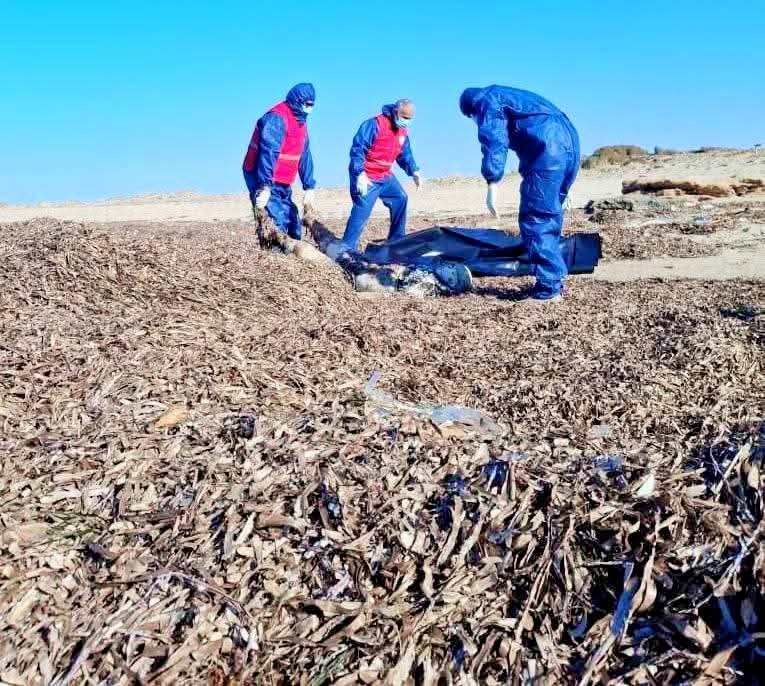
Au Forum social mondial (FSM), les discussions sur la migration ont pris une dimension profondément personnelle lorsque des participants du Nigeria, représentés par un groupe de migrants nigérians de retour au pays organisé au sein du Network of People with Migration Experience, ainsi que des participants du Sénégal, ont raconté l’histoire de membres de leurs familles portés disparus ou décédés alors qu’ils tentaient de migrer.
Pour eux, la migration ne se résume pas à une question de frontières, de politiques ou de statistiques. Elle concerne également les familles restées au pays — des familles contraintes de vivre avec le deuil, l’incertitude et des questions sans réponse.
Pour Purity, participante nigériane, parler de migration signifiait revenir sur l’histoire douloureuse de son frère Nicholas, qui a quitté le Nigeria en 2012 et dont la famille est sans nouvelles depuis plus de 13 ans.
Nicholas a laissé derrière lui une jeune famille et deux enfants. Son premier enfant n’avait que trois ans, tandis que le second n’avait que six mois.
Il espérait traverser la Libye et rejoindre finalement l’Europe à la recherche de meilleures opportunités et d’un avenir meilleur pour lui-même et sa famille.
Mais après son départ du Nigeria, toute communication s’est interrompue.
Il n’y a eu aucun appel téléphonique. Aucun message. Aucune explication sur ce qui lui était arrivé.
Pendant plus d’une décennie, sa famille est restée avec des questions sans réponse.
« Est-il vivant ? Où est-il ? Que lui est-il arrivé ? Se souvient-il de nous ? », a déclaré Purity, décrivant les questions qui accompagnent la famille depuis toutes ces années.
La douleur de l’incertitude
Pour les familles de migrants portés disparus, le deuil ne s’accompagne pas toujours de certitude.
Lorsqu’un proche meurt, les familles peuvent éventuellement avoir la possibilité de faire leur deuil, d’organiser des funérailles et d’entamer le difficile processus d’acceptation de la perte. Mais lorsqu’une personne disparaît, une telle conclusion est impossible.
Purity a déclaré que les enfants de Nicholas ont grandi sans leur père. L’enfant qui avait trois ans lorsqu’il est parti est aujourd’hui adulte, tandis que celui qui n’avait que six mois a grandi sans avoir la possibilité de connaître son père comme il aurait dû.
Plus de 13 ans plus tard, son absence continue de marquer la famille.
« Parfois, les gens peuvent penser qu’après 13 ans, une famille devrait être passée à autre chose », a déclaré Purity. « Mais le temps n’efface pas automatiquement l’incertitude. »
Elle a expliqué que l’histoire de Nicholas avait changé sa manière de comprendre la migration.
« Derrière chaque migrant porté disparu, il y a une famille », a-t-elle déclaré. « Derrière chaque parcours migratoire, il y a un être humain, des personnes qui l’aiment et des personnes qui l’attendent. »
Cette prise de conscience, a-t-elle ajouté, explique pourquoi les familles de migrants disparus doivent être incluses dans les discussions sur la migration.
Elles ont besoin de mécanismes capables de les aider à rechercher leurs proches disparus, à accéder aux informations et à bénéficier d’un soutien émotionnel et psychosocial pendant qu’elles vivent avec cette incertitude.
Parler de Nicholas reste douloureux, mais Purity a déclaré qu’elle continue de raconter son histoire parce qu’elle ne veut pas qu’il soit oublié.
« Nicholas n’est pas seulement un migrant porté disparu », a-t-elle déclaré. « C’est un frère, un père, un fils et un membre de notre famille. »
Pendant 13 ans, la famille a attendu.
Pendant 13 ans, elle s’est interrogée.
Et pendant 13 ans, Nicholas est resté dans leurs cœurs.
Du souvenir à la responsabilité
Pour Rita, une autre participante nigériane, le Forum a apporté une leçon différente mais tout aussi importante : se souvenir des migrants décédés ou disparus doit également signifier exiger des réponses.
À travers son travail avec FREMNET, Rita a participé à des activités visant à commémorer les migrants partis de chez eux sans jamais revenir.
Des familles et des militants ont organisé des veillées aux chandelles et des prières en mémoire de ceux qui sont morts sur les routes migratoires et de ceux dont le sort demeure inconnu.
Mais au Forum social mondial, Rita a rencontré des personnes qui s’organisent spécifiquement autour de la question des migrants disparus, et elle a déclaré que leur approche avait changé sa conception de la commémoration.
« Ce qui m’a vraiment touchée, c’est que leur travail ne consiste pas seulement à se souvenir de ces personnes », a-t-elle déclaré.
« Ils posent également des questions et réclament justice. »
Les discussions l’ont poussée à aller au-delà de la commémoration et à s’interroger sur les raisons pour lesquelles les migrants sont contraints d’entreprendre des voyages dangereux.
Pourquoi les gens doivent-ils risquer leur vie en mer ou en traversant des déserts ?
Quelles politiques et quels systèmes rendent la migration plus dangereuse ?
Et que peut-on changer pour éviter que d’autres familles ne connaissent la même douleur ?
Pour Rita, il s’agit de l’une des leçons les plus importantes du Forum.
« Se souvenir de ceux que nous avons perdus est important, mais nous ne pouvons pas nous arrêter là », a-t-elle déclaré.
La commémoration, a-t-elle conclu, doit également devenir une occasion de remettre en question les politiques et les systèmes qui continuent de mettre la vie des migrants en danger.
Le parcours d’une famille sénégalaise, de l’espoir au deuil
Pour Alia Dieye, du Sénégal, la douleur liée à la migration est devenue personnelle lorsque son jeune frère, Mbaye, est mort alors qu’il tentait de rejoindre les îles Canaries.
Mbaye, se souvient-elle, n’était pas simplement un jeune homme prenant un risque inconsidéré. Il poursuivait ce qu’il considérait comme une chance d’avoir une vie meilleure.
Le football était sa passion. Il rêvait d’opportunités au-delà de la pauvreté et de l’incertitude économique qui l’entouraient.
« Il ne partait pas sur un coup de tête », a déclaré Dieye. « Pour lui, le football représentait tout. Il voulait un terrain plus grand, un avenir meilleur et une porte de sortie de la pauvreté. »
Mais le voyage s’est terminé en tragédie.
La famille a passé plus d’une semaine à attendre désespérément des nouvelles après que l’embarcation transportant Mbaye a connu un drame près des îles Canaries.
Finalement, la seule information qui leur est parvenue était l’image d’une pirogue chavirée.
« Tout ce que nous avons reçu comme réponse, c’est cette image glaçante d’une pirogue en train de chavirer », a déclaré Dieye, se remémorant l’angoisse et les questions restées sans réponse.
Un deuil sans date d’expiration
Plus de deux ans après la mort de Mbaye, Dieye affirme que cette perte continue d’affecter sa vie quotidienne.
Parfois, elle tend instinctivement la main vers son téléphone, imaginant qu’elle pourrait appeler son frère. Une notification ou un souvenir peut brièvement raviver l’espoir impossible qu’il soit encore en vie.
« Les souvenirs restent intacts dans nos esprits », a-t-elle déclaré. « Les gens nous demandent d’oublier, mais c’est impossible. »
Mbaye n’était pas seulement son frère, a-t-elle ajouté.
« Mbaye était mon petit frère, mon confident, mon autre moitié. »
Elle raconte qu’il apparaît parfois dans ses rêves, lui offrant de brefs moments durant lesquels elle a l’impression qu’il est toujours vivant, avant de se réveiller face à la réalité de son absence.
Plutôt que de porter seule son deuil, Dieye a trouvé de la force auprès d’autres familles ayant vécu des pertes similaires.
À travers des réseaux tels que le Collective of Victims of Migration in Senegal (COVES) et le mouvement CommémorAction, elle a rencontré des mères, des pères, des sœurs et d’autres proches endeuillés par la disparition de membres de leur famille sur les routes migratoires.
Ces rencontres ont créé des espaces où les familles pouvaient parler de leurs expériences, se souvenir de leurs proches et remettre en question la tendance à réduire les morts de migrants à de simples chiffres.
« Pouvoir parler de mon frère et de sa passion pour le football avec d’autres mères et sœurs qui partagent la même douleur nous aide à transformer notre immense chagrin en une force collective », a-t-elle déclaré.
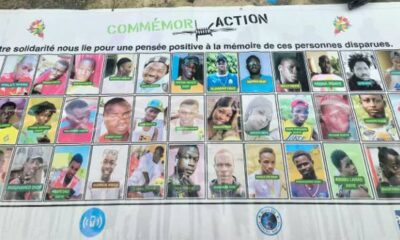
Au Sénégal, des familles ont organisé des commémorations, notamment des veillées aux chandelles à Dakar, afin que ceux qui sont morts ou ont disparu soient rappelés par leur nom et leur histoire.
« Chaque personne portée disparue a une famille »
La question a également été abordée lors d’une table ronde de commémoration au Forum social mondial consacrée aux membres de familles portés disparus.
Les participants ont évoqué le traumatisme des familles à la recherche de leurs proches disparus au cours de leur migration et ont appelé à la vérité, à la responsabilité et à la justice.
« Chaque personne portée disparue a une famille, une histoire et une voix qui ne doivent pas être oubliées », ont déclaré les participants.
Ils ont rendu hommage aux migrants disparus, exprimé leur solidarité avec leurs familles et demandé vérité, justice et responsabilité.
La rencontre s’est ensuite poursuivie par une minute de silence en mémoire des migrants disparus.
Pour des familles comme celles de Purity et de Dieye, ces moments de commémoration sont importants parce qu’ils affirment que leurs proches n’ont pas été oubliés.
Mais les participants veulent également que la commémoration débouche sur des actions concrètes.
Une crise qui dépasse les frontières
L’engagement de Dieye l’a finalement conduite au-delà du Sénégal, jusqu’au Cameroun, où elle a rencontré des familles ayant vécu des pertes similaires.
Ces rencontres l’ont aidée à comprendre que la tragédie de sa famille faisait partie d’une crise beaucoup plus vaste qui touche des communautés à travers l’Afrique.
Les familles ont parlé de pauvreté, d’isolement, de ruptures familiales et des pressions qui poussent les jeunes vers des routes migratoires dangereuses.
Certains parents se reprochaient leur incapacité à offrir de meilleures opportunités à leurs enfants.
Mais Dieye et d’autres militants ont contesté ce sentiment de culpabilité.
« Les parents ne sont pas responsables », a-t-elle déclaré. « Les vrais problèmes sont les frontières fermées, les inégalités et le manque de perspectives pour nos jeunes. »
Pour les familles, la question dépasse donc les décisions individuelles de migrer. Elles veulent que les gouvernements et les institutions examinent les conditions qui font apparaître les voyages dangereux comme la seule voie permettant aux jeunes d’accéder à un avenir digne.
« L’océan ne doit pas avoir le dernier mot »
Au cœur de cette campagne se trouve la volonté que les morts et les disparus soient commémorés comme des personnes — et non comme de simples statistiques.
Dieye estime que la pauvreté, les inégalités, les pressions sociales et les politiques migratoires restrictives ont créé des circonstances dans lesquelles de jeunes Africains sont prêts à risquer leur vie sur des routes terrestres et maritimes dangereuses.
Pour elle, se souvenir des morts doit donc aller de pair avec une confrontation aux conditions qui ont contribué à leur disparition.
Lors d’une dernière commémoration réunissant des familles de différents pays, les frontières nationales semblaient s’effacer alors que les participants se rassemblaient autour d’une expérience commune de la perte.
Aujourd’hui, affirme Dieye, la mémoire de son frère est devenue partie intégrante d’une lutte plus large pour la justice.
« Mon frère ne vit plus seulement dans nos regrets », a-t-elle déclaré. « Il continue de vivre à travers nos luttes. »
Aux côtés des familles qui ont perdu des fils, des filles, des frères et d’autres êtres chers, elle affirme qu’elle continuera à marcher, à parler et à commémorer leur mémoire.
« Nous continuerons à marcher, à nous rassembler et à nous souvenir », a-t-elle déclaré, « afin que leurs souvenirs éclairent notre chemin et que l’océan n’ait jamais le dernier mot. »
Je peux également vous proposer une version française plus journalistique et fluide, adaptée à la publication dans un média francophone.

Osemene promet un leadership inclusif et une action renforcée contre la traite en tant que président élu de NACTAL

Osemene pledges inclusive leadership, stronger anti-trafficking action as NACTAL President-Elect

Osita Osemene élu président de NACTAL avec 95,65 % des voix
Osita Osemene emerges NACTAL president with 95.65% votes

Réintégration ou façade ? Les migrants nigérians de retour remettent en question la promesse d’un nouveau départ
-

 News Extra3 weeks ago
Des manifestations éclatent après la mort de migrants dans le naufrage d’un bateau
-
 News Extra3 weeks ago
Alarm Phone rend hommage aux migrants morts en Méditerranée et exige des voies de passage sûres
-

 Interviews2 weeks ago
Oluwagbolahan Oluwatobi: Connecting Visa Advisory, Migration and Social Impact
-

 News Extra2 weeks ago
BOZA FII exige la fin des refoulements financés par Frontex et appelle à une justice migratoire
-

 News1 week ago
Senegalese activist turns brother’s death on Atlantic migration route into campaign for change
-
News3 weeks ago
Alarm Phone pays tribute to migrants who died crossing Mediterranean, demands safe passage
-
 News Extra2 weeks ago
Human rights advocate Mwanje calls for end to ‘cash-for-containment’ deals at World Social Forum
-
 Features3 days ago
How WSF changed ways participants see migration