
Features
Court rules against UK’s plan to deport asylum seekers to Rwanda


The Supreme Court in the UK has rejected Prime Minister Rishi Sunak government’s plans to deport people seeking asylum to Rwanda.
Five judges at the supreme court unanimously upheld an appeal court ruling that found there was a real risk of deported refugees having their claims in the east African country wrongly assessed or being returned to their country of origin to face persecution.
The ruling undermines one of the prime minister’s key pledges: to “stop the boats”. The government claimed that the £140m Rwanda scheme would be a key deterrent for growing numbers of asylum seekers reaching the UK via small boats travelling across the Channel, a claim that refugee charities have rejected.
Reading out the judgment, Lord Reed, the president of the supreme court, said the judges agreed unanimously with the court of appeal ruling that there was a real risk of claims being wrongly determined in Rwanda, resulting in asylum seekers being wrongly returned to their country of origin.
He pointed to crucial evidence from the United Nations’ refugee agency, the UNHCR, which highlighted the failure of a similar deportation agreement between Israel and Rwanda.
The ruling came the day after the sacked home secretary, Suella Braverman, released an incendiary letter accusing the prime minister of breaking an agreement to insert clauses into UK law that would have “blocked off” legal challenges under the European convention on human rights (ECHR) and the Human Rights Act.
Braverman said Sunak had no “credible plan B” and added: “If we lose in the supreme court, an outcome that I have consistently argued we must be prepared for, you will have wasted a year and an act of parliament, only to arrive back at square one.”
A meeting of hard-right Conservative MPs on Wednesday morning to consider the judgment was expected to back calls to leave the ECHR.
Sir John Hayes, a close ally of Braverman, said on Tuesday that in the event of losing, ministers should table a narrow piece of legislation to enact the Rwanda plan before Christmas, and later include withdrawing from the ECHR in the Tory election manifesto.
Reacting to the ruling, Sunak said the government would consider its next steps and claimed there was a “plan B”, despite Braverman’s criticisms.
He said: “This was not the outcome we wanted, but we have spent the last few months planning for all eventualities and we remain completely committed to stopping the boats.
“Crucially, the supreme court – like the court of appeal and the high court before it – has confirmed that the principle of sending illegal migrants to a safe third country for processing is lawful.”
The home secretary, James Cleverly, said: “Our partnership with Rwanda, while bold and ambitious, is just one part of a vehicle of measures to stop the boats and tackle illegal migration.
“But clearly there is an appetite for this concept. Across Europe, illegal migration is increasing and governments are following our lead: Italy, Germany and Austria are all exploring models similar to our partnership with Rwanda.”
The judgment will raise serious questions about expenditure on the scheme. More than £140m has already been paid to the Rwandan government. The government has refused to disclose a further breakdown of costs on the scheme and on legal fees.
A spokesperson for the Rwandan government said: “The money has been already allocated to a number of government projects.”
Reed said the legal test in the case was whether there were substantial grounds for believing that asylum seekers sent to Rwanda would be at real risk of being sent back to the countries they came from, where they could face ill treatment.
“In the light of the evidence which I have summarised, the court of appeal concluded that there were such grounds. We are unanimously of the view that they were entitled to reach that conclusion. Indeed, having been taken through the evidence ourselves, we agree with their conclusion,” he said.
Enver Solomon, the chief executive of the Refugee Council, said it was a victory for men, women and children who simply wanted to be safe.
He said: “The plan goes against who we are as a country that stands up for those less fortunate than us and for the values of compassion, fairness and humanity. The government should be focusing on creating a functioning asylum system that allows people who seek safety in the UK a fair hearing on our soil and provides safe routes so they don’t have to take dangerous journeys.”
Toufique Hossain of Duncan Lewis solicitors, one of the lawyers representing asylum seekers who brought the legal challenge, said: “This is a victory for our brave clients who stood up to an inhumane policy. It is also a victory for the rule of law itself and the separation of powers, despite the noise. It is a timely reminder that governments must operate within the law. We hope that now our clients are able to dream of a better, safer future.”
Sonya Sceats, the chief executive of Freedom from Torture, said: “This is a victory for reason and compassion. We are delighted that the supreme court has affirmed what caring people already knew: the UK government’s ‘cash for humans’ deal with Rwanda is not only deeply immoral, but it also flies in the face of the laws of this country.
“The stakes of this case could not have been higher. Every day in our therapy rooms we see the terror that this scheme has inflicted on survivors of torture who have come to the UK seeking sanctuary.”
Steve Smith, the chief executive of the refugee charity Care4Calais, a claimant in the initial legal challenge, said the judgment was “a victory for humanity”.
He added: “This grubby, cash-for-people deal was always cruel and immoral but, most importantly, it is unlawful. Hundreds of millions of pounds have been spent on this cruel policy, and the only receipts the government has are the pain and torment inflicted on the thousands of survivors of war, torture and modern slavery they have targeted with it.
“Today’s judgment should bring this shameful mark on the UK’s history to a close. Never again should our government seek to shirk our country’s responsibility to offer sanctuary to those caught up in horrors around the world.”





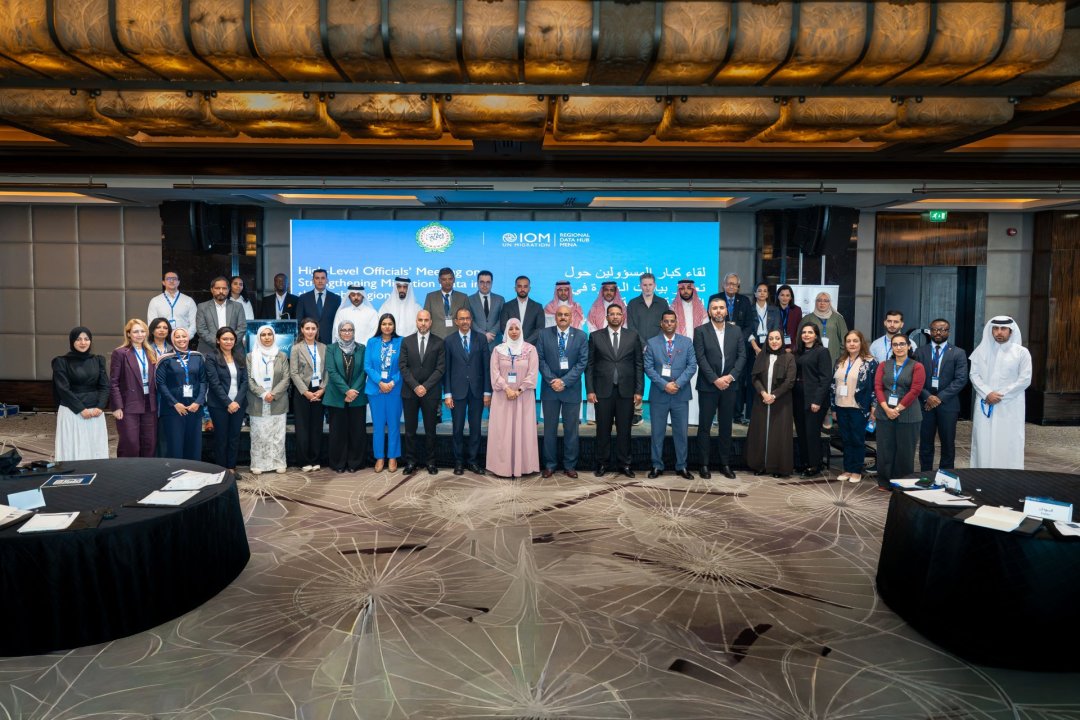
La Ligue des États arabes et l’Organisation internationale pour les migrations (OIM) ont officiellement lancé le Réseau arabe des données sur les migrations, le premier réseau arabe consacré aux données migratoires. Le lancement a eu lieu lors d’une cérémonie de signature au siège du Secrétariat général de la Ligue, au Caire, à l’occasion de l’adoption du premier plan d’action du Réseau pour la période 2026-2028.
Le Réseau constitue un mécanisme régional de coopération technique placé sous la direction des États arabes. Pour la première fois, il rassemble les offices nationaux de statistique et les organismes gouvernementaux chargés des données migratoires dans les 22 États arabes, au sein d’un cadre permanent d’action commune.
Les 22 États arabes accueillent environ 44,5 millions de migrants internationaux, soit près de 14,7 % du total mondial, tandis que 37,2 millions de personnes originaires des pays arabes vivent en dehors de leur pays d’origine, dont environ la moitié dans d’autres États arabes. Toutefois, les données migratoires restent dispersées entre plusieurs institutions et continuent de présenter des difficultés en matière de couverture, d’actualité et de comparabilité.
Le Réseau aidera les États arabes à harmoniser les concepts et les méthodologies, à échanger leurs expertises et à mieux comprendre les dynamiques migratoires dans les pays d’origine, de transit, de destination et de retour.
Le plan d’action a été signé par Mme Abeer Al-Jalahma, ministre plénipotentiaire et directrice du Département des statistiques et des bases de données de la Ligue des États arabes, et M. Justin MacDermott, directeur régional adjoint de l’OIM chargé des opérations pour le Moyen-Orient et l’Afrique du Nord. La cérémonie s’est déroulée en présence d’ambassadeurs et de représentants de missions diplomatiques, de directeurs généraux d’offices nationaux de statistique, de hauts responsables gouvernementaux ainsi que de partenaires régionaux et internationaux.
Elle a marqué la conclusion d’une réunion de deux jours de hauts responsables consacrée au renforcement des données migratoires dans la région arabe, tenue les 27 et 28 octobre. Cette rencontre a réuni des représentants de haut niveau de 13 États arabes : l’Algérie, Bahreïn, l’Égypte, l’Irak, la Jordanie, la Libye, la Mauritanie, le Maroc, le Qatar, l’Arabie saoudite, le Soudan, la Tunisie et le Yémen. Les participants ont examiné les priorités de l’action commune et contribué à l’élaboration du plan d’action avant son adoption.
« Le lancement du Réseau arabe des données sur les migrations marque une étape importante dans le processus de coopération statistique arabe. Pour la première fois, nos pays se réunissent autour d’une plateforme permanente consacrée aux données migratoires, dirigée par les États arabes et guidée par leurs priorités. Ce que nous avons mis en place aujourd’hui n’est pas simplement une nouvelle initiative, mais un langage statistique arabe commun au service des décideurs et qui reflète les réalités de nos populations », a déclaré Mme Abeer Al-Jalahma, ministre plénipotentiaire.
Pour l’OIM, Justin MacDermott a souligné : « Le lancement du Réseau arabe des données sur les migrations ne marque pas l’aboutissement de nos efforts, mais le début d’un nouveau chapitre de la coopération régionale, fondé sur la confiance, le partage des connaissances, l’appropriation nationale et l’action collective. »
Dans le cadre du plan d’action, le Réseau aura pour missions de :
– coordonner les travaux des équipes nationales de points focaux au sein des offices de statistique et des organismes gouvernementaux concernés ;
– harmoniser les concepts, les méthodologies et les classifications, et élaborer un cadre commun d’indicateurs aligné sur les Recommandations des Nations Unies de 2025 sur les statistiques des migrations internationales ;
– renforcer les capacités nationales, notamment dans les domaines des données administratives, de l’analyse géospatiale et de l’utilisation responsable de l’intelligence artificielle ;
– produire des analyses régionales conjointes, renforcer la protection des données et promouvoir leur partage responsable.
Les États arabes ont manifesté un engagement clair dès le lancement du Réseau, puisque dix pays ont déjà désigné leurs points focaux nationaux. Les délégations ont également présenté des propositions concrètes visant à développer davantage les mécanismes de fonctionnement du Réseau.
The League of Arab States and the International Organization for Migration (IOM) have formally launched the Arab Migration Data Network, the first Arab network dedicated to migration data. The launch took place at a signing ceremony at the headquarters of the League’s General Secretariat in Cairo, where the Network’s first Action Plan (2026-2028) was first adopted.
The Network is a regional mechanism for technical cooperation led by Arab States. For the first time, it brings together national statistical offices and government entities responsible for migration data across all 22 Arab States within a permanent framework for joint action.
The 22 Arab States host approximately 44.5 million international migrants, around 14.7 per cent of the global total, while 37.2 million people from Arab countries live outside their countries of origin, about half of them in other Arab States. Yet migration data remain spread across multiple institutions and continue to face challenges in coverage, timeliness and comparability.
The Network will help Arab States harmonize concepts and methodologies, exchange expertise, and build a clearer picture of migration across countries of origin, transit, destination and return.
The Action Plan was signed by H.E. Minister Plenipotentiary Abeer Al-Jalahma, Director of the Statistics and Databases Department at the League of Arab States, and Mr. Justin MacDermott, IOM Deputy Regional Director for Operations for the Middle East and North Africa. The ceremony was attended by ambassadors and representatives of diplomatic missions, directors-general of national statistical offices, senior government officials, and regional and international partners.
It concluded a two-day Senior Officials Meeting on Strengthening Migration Data in the Arab Region (27-28 October), which brought together high-level representatives from 13 Arab States: Algeria, Bahrain, Egypt, Iraq, Jordan, Libya, Mauritania, Morocco, Qatar, Saudi Arabia, Sudan, Tunisia and Yemen. Participants discussed priorities for joint action and helped shape the Action Plan ahead of its adoption.
“The launch of the Arab Migration Data Network marks a milestone in the journey of joint Arab statistical cooperation. For the first time, our countries are coming together around a permanent platform dedicated to migration data, led by Arab States and driven by their priorities. What we have built today is not simply a new initiative, but a shared Arab statistical language that serves decision-makers and reflects the realities of our people,” said H.E. Minister Plenipotentiary Abeer Al-Jalahma.
For IOM, Justin MacDermott noted: “The launch of the Arab Migration Data Network is not the culmination of our efforts; it is the beginning of a new chapter in regional cooperation, built on trust, shared knowledge, national ownership and collective action.”
Under the Action Plan, the Network will:
- coordinate the work of national focal point teams in statistical offices and relevant government entities;
- harmonize concepts, methodologies and classifications, and develop a common indicator framework aligne with the 2025 United Nations Recommendations on Statistics of International Migration;
- strengthen national capacities, including in administrative data, geospatial analysis and the responsible use of artificial intelligence; and produce joint regional analyses and strengthen data protection and responsible data sharing.
Arab States showed clear commitment from the outset, with 10 countries already designating national focal points. Delegations also presented practical proposals to further develop the Network’s working mechanisms.
Features
Gaza : Près de deux millions de personnes ont besoin d’une aide d’urgence en matière d’hébergement
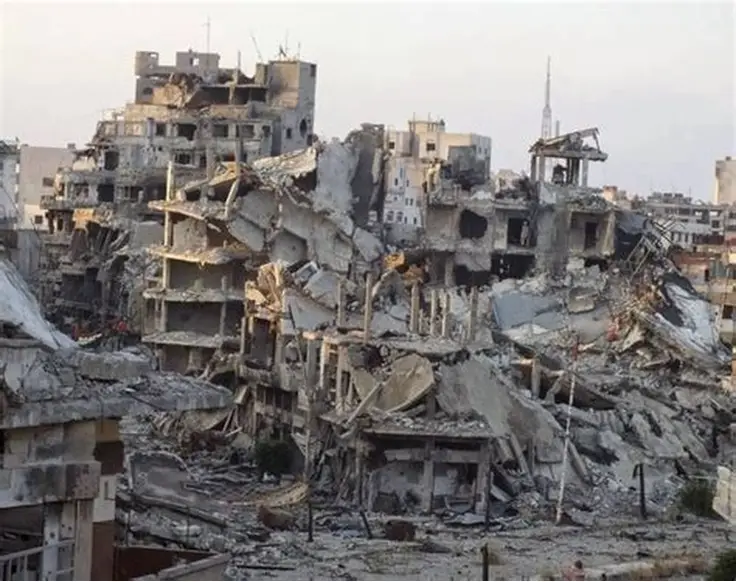
Près de deux millions de personnes, soit la quasi-totalité de la population de Gaza, ont toujours besoin d’une aide en matière d’hébergement, un an après l’annonce d’un cessez-le-feu. Alors que les pluies hivernales commencent, l’ensemble des approvisionnements prévus par les partenaires humanitaires intervenant dans le domaine de l’hébergement ne couvre qu’à peine 17 % des besoins identifiés pour l’hiver, a averti aujourd’hui Amy Pope, Directrice générale de l’Organisation internationale pour les migrations (OIM).
Après des années de déplacements et de destructions généralisées, les Palestiniens affrontent un quatrième hiver sans protection adéquate contre la pluie, les inondations et le froid. L’insuffisance des financements et les restrictions persistantes imposées par les autorités israéliennes à l’entrée de fournitures essentielles destinées aux abris empêchent les organisations humanitaires d’apporter une réponse à la hauteur des besoins.
« Les familles qui ont déjà subi des déplacements répétés et des pertes dévastatrices doivent pouvoir affronter l’hiver dans la sécurité et la dignité », a déclaré Pope. « Les matériaux destinés aux abris doivent pouvoir entrer rapidement, de manière prévisible et en quantités suffisantes pour répondre aux besoins. »
Plus de la moitié des tentes et des abris de fortune actuellement utilisés sont en mauvais état et doivent être remplacés. Les tentes sont conçues comme une mesure d’urgence temporaire et ne durent généralement que six à douze mois.
Faute d’autres solutions, de nombreuses familles vivent dans des bâtiments endommagés par la guerre qui présentent de graves risques pour leur vie. Le mois dernier seulement, des dizaines de personnes ont été tuées dans la ville de Gaza lorsqu’un bâtiment endommagé par la guerre s’est effondré. En août, un partenaire de l’OIM avait recensé plus de 3 600 structures jugées dangereuses et présentant un risque d’effondrement.
Le renforcement du phénomène El Niño devrait entraîner des précipitations plus abondantes, susceptibles de fragiliser davantage les bâtiments déjà dangereux, tandis que les systèmes de drainage fortement endommagés exposent les communautés aux inondations.
L’OIM et ses partenaires chargés de la gestion des sites ont recensé près de 1,8 million de personnes vivant dans des sites de déplacement, dont la plupart se trouvent dans des zones exposées aux risques d’inondation. Les eaux de crue pourraient endommager les abris, détruire les derniers biens des familles et contraindre les populations à se déplacer une nouvelle fois.
Environ 8 600 kits d’hébergement d’urgence de l’OIM sont prépositionnés à l’extérieur de Gaza et prêts à être acheminés, mais les autorités israéliennes continuent de leur refuser l’accès aux points de passage. Pendant ce temps, les équipes humanitaires utilisent, dans la mesure du possible, des matériaux disponibles localement et des matériaux récupérés. Ces efforts apportent un soutien temporaire limité, mais restent insuffisants pour répondre à l’ampleur des besoins en matière d’hébergement.
« Les solutions sont connues, les fournitures sont prêtes et les équipes humanitaires sont préparées à les acheminer », a déclaré Pope. « Un accès humanitaire immédiat et durable est essentiel pour protéger des vies, renforcer les abris endommagés et aider les familles à dépasser le stade des solutions temporaires. Toutes les parties doivent faciliter une action humanitaire fondée sur les principes humanitaires et soutenir une réponse à la hauteur de la gravité de la crise. »
L’OIM appelle à autoriser immédiatement et durablement l’entrée de tentes, de kits d’hébergement d’urgence, d’unités de logement de secours, de bois, d’outils et d’autres matériaux nécessaires pour renforcer les abris, réparer les habitations endommagées et aider les familles à trouver des logements plus sûrs.
Un accès prévisible aux équipements spécialisés, au carburant, aux pièces de rechange et aux matériaux de construction sera également essentiel pour permettre l’enlèvement des décombres et progresser vers un relèvement précoce.

La Ligue des États arabes et l’OIM lancent le Réseau arabe des données sur les migrations
League of Arab States, IOM launch Arab Migration Data Network

Ebola : la RDC confirme 10 000 cas, le NRC appelle à un renforcement urgent de la réponse

Ebola:DRC confirms 10,000 cases, NRC seeks scale-up

Libye : des centaines de migrants rapatriés, des renforts déployés à Tobrouk
-
 Features3 weeks ago
Gaza : Près de deux millions de personnes ont besoin d’une aide d’urgence en matière d’hébergement
-

 News Extra3 weeks ago
NACTAL conteste le rapport américain sur la traite des personnes et exige la reconnaissance des contributions des organisations de la société civile nigérianes
-

 News Extra3 weeks ago
Un avocat ougandais exhorte l’UA à rejeter les accords migratoires avec l’Europe
-
 News Extra2 weeks ago
Sudan: Drone attacks disrupt school lessons in El Obeid- NRC
-

 Features3 weeks ago
Gaza: About two million need urgent shelter assistance
-

 News Extra3 weeks ago
NACTAL faults US trafficking report, demands recognition of Nigerian CSOs’ contributions
-

 News Extra3 weeks ago
US to deport fresh set of Nigerians over alleged criminal offences
-

 News3 weeks ago
Ugandan lawyer urges AU to reject Europe’s migration deals