
News
Why other youths mustn’t go through my ordeal at ‘Land of No Mercy’ in Libya- VOMA ED Jerry Adelu

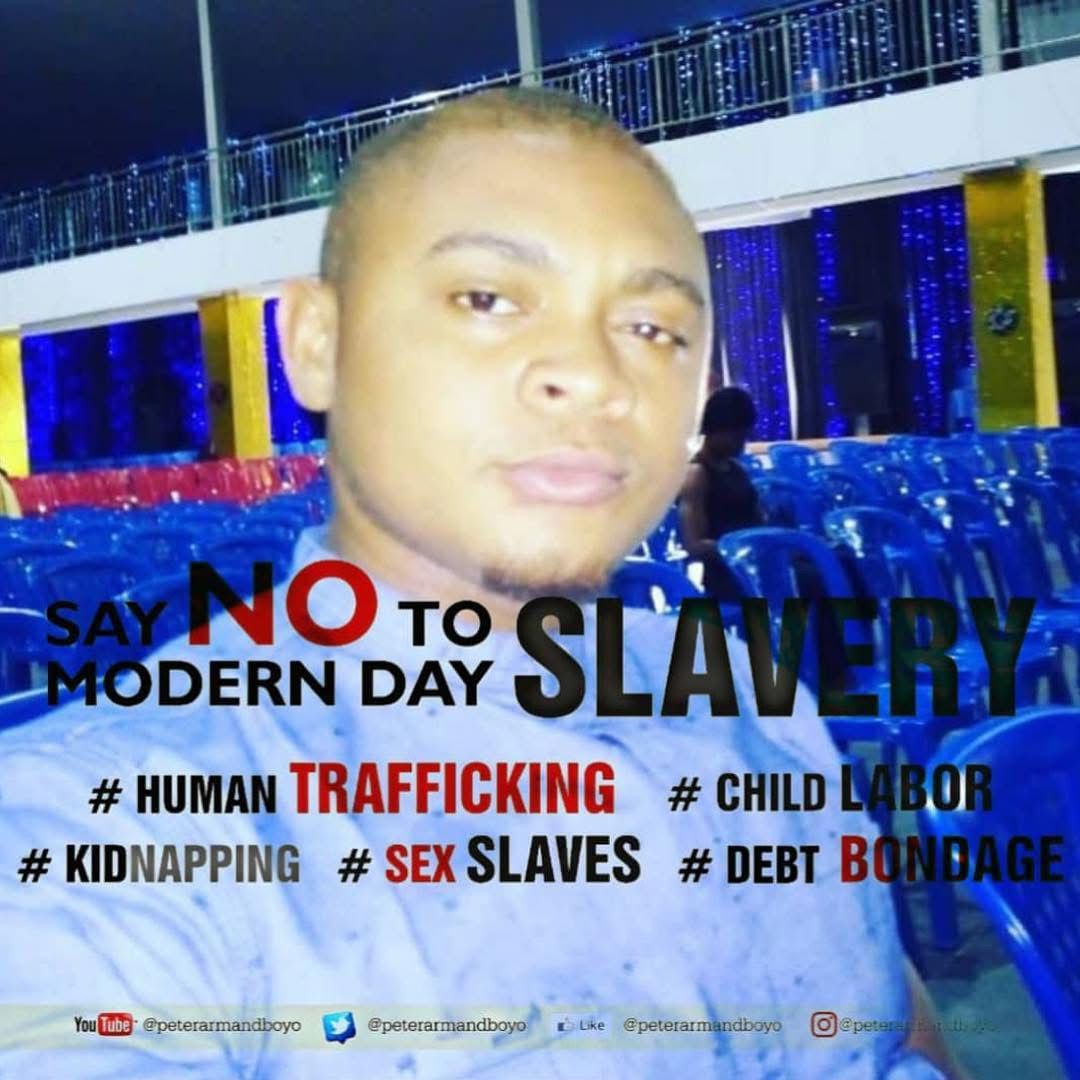
Executive Director of Voice of Migrant Association, VOMA, Jerry Adelu has recounted his ordeal at a place called Land of No Mercy in Libya and has vowed to continue carrying out mass awareness to make sure other young people don’t have similar horrifying experience.
Jerry disclosed this in an interview with us over the weekend.
He noted that his migration journey is one that changed his life forever.
His words: “Like many young Africans searching for better opportunities, I once believed that traveling abroad was the fastest way to success. I saw friends and acquaintances posting pictures of beautiful lives in Europe on social media. From the outside, it looked like once you arrived there, life automatically would become better. Those images and stories strengthened my desire to travel to Germany in search of a better future.
“At that time, I was working hard and trying to build a better life for myself, but like many young people, I believed that going abroad would open greater opportunities. A friend eventually introduced me to people who claimed they could help me travel to Europe through the land route. They told me the journey would cost about ₦300,000, which sounded affordable compared to the promises of a new life abroad. Determined to change my life, I struggled and managed to raise the money.”
The journey soon began and Jerry traveled from Nigeria through the northern part of the country into Niger, heading toward Libya, which is a major transit point for migrants trying to reach Europe through the Mediterranean Sea. However, what started as a hopeful journey quickly turned into a nightmare.
“Like many migrants who attempt irregular migration, the reality of the journey was far from what I imagined. At every stage of the trip, new agents appeared demanding additional money before allowing us to continue. The cost kept increasing far beyond what I had originally been told. By the time I finally reached Libya, I had spent about ₦1.15 million, far more than the initial agreement.
“One of the most frightening parts of the journey was crossing the Sahara Desert. We were packed into pickup trucks and driven across a vast desert with very little food and water. During the day, the heat was unbearable, and at night the cold was extreme. Along the way, I saw something I will never forget dead bodies of migrants scattered across the desert. Some had died from dehydration, others from exhaustion. The desert had become the final resting place for many people who once had dreams just like mine.”
When Jerry finally arrived in Libya, the situation became even worse. Migrants were taken to detention camps and places controlled by traffickers and militias. “One of the places we were held was known as the “Land of No Mercy. The conditions there were terrible. Many of us were crowded into small spaces with little food, poor sanitation, and constant fear.People were beaten regularly, especially if they could not pay more money. Traffickers would force migrants to call their families back home while they were being beaten so their relatives could hear their cries and send money quickly. I personally experienced this. I had to call my sister while I was being beaten so that she would send money to secure my release.”
According to him, women in the camps suffered even more, as many of them were forced into prostitution. At that point, “I realized that the journey I thought would bring a better life had instead become a fight just to stay alive. I experienced hardship, uncertainty, and the harsh realities many migrants face during irregular migration. These experiences exposed me to the risks of trafficking, exploitation, and extremely difficult living conditions.
“Later, while preparing to cross the Mediterranean Sea, I witnessed another heartbreaking tragedy. A boat carrying migrants capsized, and more than 100 people lost their lives in the sea. Seeing that moment shook me deeply. I began to think seriously about the possibility of dying in the desert or in the sea, far away from home where my family might never even know what happened to me.
That experience completely changed my mindset. I realized that no dream was worth losing my life.”
Eventually, he was able to return to Nigeria through an assisted voluntary return program supported by the International Organization for Migration (IOM). “Returning home was not easy, but it gave me another chance to start again.
“When I came back, I carried not only my personal story but also a strong desire to ensure that others would not fall into the same trap. I restarted my laundry business and began to reflect deeply on everything I had experienced during the journey.
“Instead of keeping my experience to myself, I decided to use my story as a tool for awareness and change. That decision led me to establish the Voice of Migrant Association (VOMA), an organization dedicated to raising awareness about the dangers of irregular migration, human trafficking, and migrant smuggling.”
Today, through VOMA, Jerry speaks to young people, mentor returnee migrants, and advocate for safe and legal migration pathways. “My goal is to ensure that others do not have to go through the same suffering many migrants experience during irregular migration.
“My story is not just about pain; it is about transformation. From someone who once chased the dream of Europe through dangerous routes, I have become a voice advocating for safer choices and better opportunities for others.My message is simple: migration is not wrong, but it must be done safely and legally.
For support and collaboration, reach Jerry via:
Instagram: #thisisvoma
Phone :+ 234 9010976301
Email: voiceofmigrantassociation@gmail.com
Twitter: voiceofmigrant
Facebook: voice of migrant association
TikTok: voiceofmigrantassociation
Linkedln: voiceofmigrant






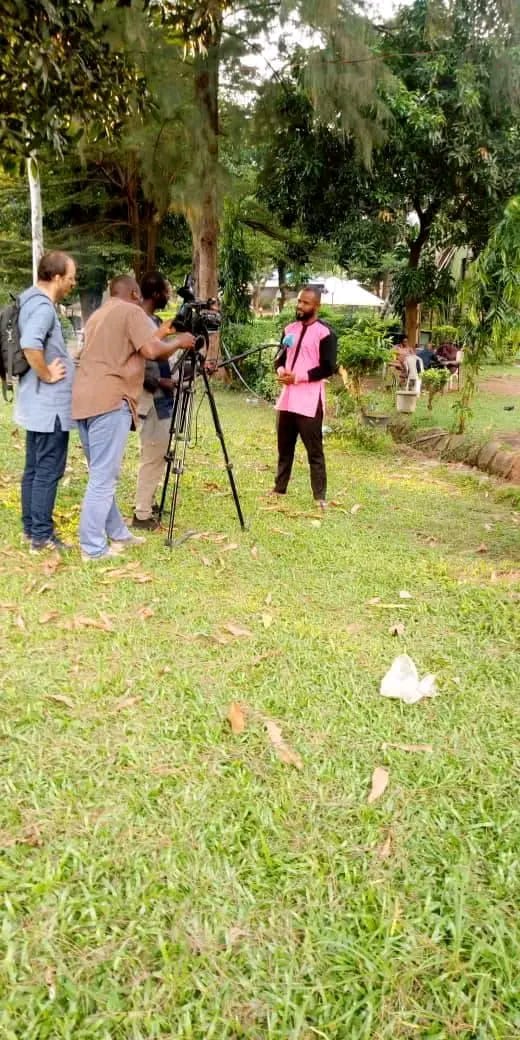
Comment Udekwe Kennedy Obinna donne une voix aux migrants et leur offre une chance de construire un avenir plus sûr
Pour de nombreux jeunes Nigérians, le rêve d’une vie meilleure à l’étranger peut être suffisamment puissant pour faire oublier les dangers qui jalonnent les routes de la migration irrégulière.
Derrière les promesses d’emploi, d’éducation et de prospérité se cachent des histoires de traite des êtres humains, d’exploitation, de violences, de détention et, dans certains cas, de décès sur des routes migratoires dangereuses.
C’est dans cette réalité difficile que Udekwe Kennedy Obinna, fondateur de Migrants Lives Matter (MLM), a développé une mission humanitaire : veiller à ce que les jeunes et les autres personnes vulnérables disposent des informations, de la protection et du soutien nécessaires pour éviter de devenir victimes de trafiquants et de réseaux favorisant des migrations dangereuses.
À travers Migrants Lives Matter, Obinna continue de défendre la sécurité, la dignité, les droits et le bien-être des migrants et des personnes vulnérables, en menant des campagnes de sensibilisation dans les écoles, les communautés et d’autres espaces où les populations sont particulièrement exposées à la désinformation, au désespoir et à l’exploitation.
Son message est simple, mais urgent : personne ne devrait avoir à perdre sa dignité, sa liberté ou sa vie dans la quête d’un avenir meilleur.
Porter le message auprès des jeunes
L’un des piliers les plus importants du travail de MLM consiste à atteindre les jeunes avant que les trafiquants et les agents de migration qui font de fausses promesses ne les approchent.
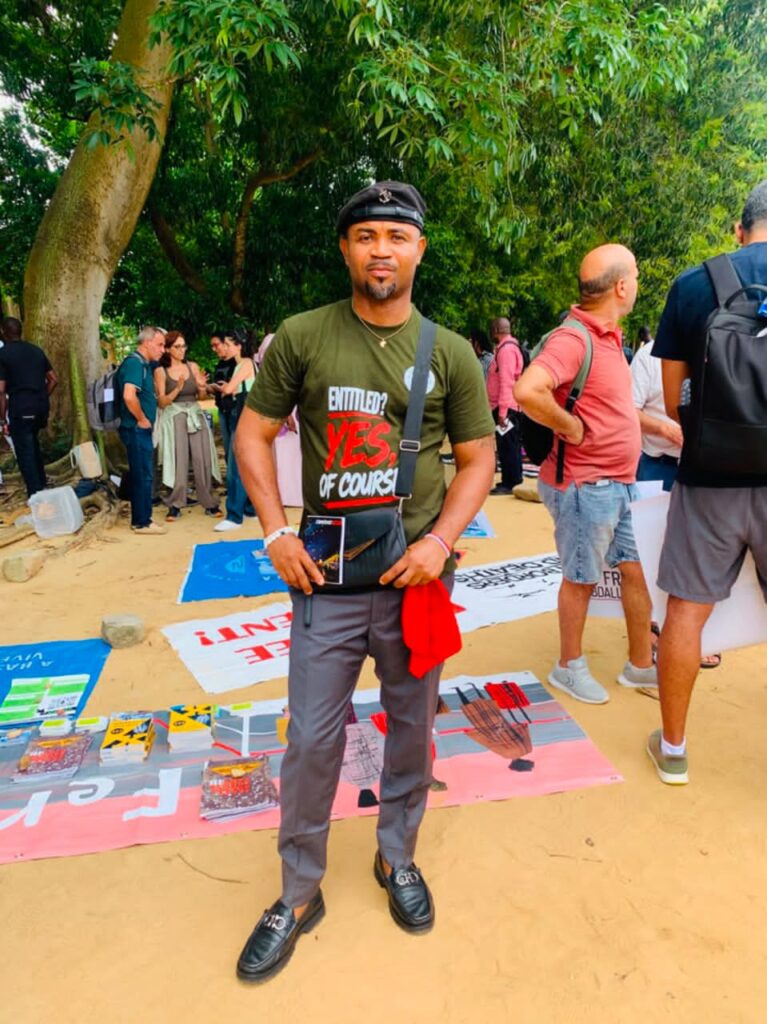
À Abuja et dans d’autres régions du Nigeria, l’organisation a organisé des ateliers de sensibilisation dans des établissements secondaires, afin d’informer les élèves sur les dangers cachés de la migration irrégulière et de la traite des êtres humains.
Ces séances ne se limitent pas à avertir les jeunes de ne pas voyager. Elles mettent en lumière les réalités souvent dissimulées derrière les offres attrayantes d’emploi et les opportunités à l’étranger.
Les élèves sont sensibilisés aux routes migratoires dangereuses, à l’exploitation, aux réseaux de traite et aux conséquences dévastatrices qui peuvent découler de décisions migratoires prises sans informations suffisantes.
Pour Obinna, la prévention commence par la connaissance.
En donnant aux élèves des informations fiables dès leur plus jeune âge, MLM cherche à leur permettre de reconnaître les signes avant-coureurs de la traite et de l’exploitation et de faire des choix éclairés concernant leur avenir.
Combattre les fausses promesses des trafiquants
Les trafiquants d’êtres humains prospèrent souvent là où règnent le désespoir, le chômage, la pauvreté et le manque d’information.
Ils exploitent les rêves.
La promesse d’un emploi bien rémunéré peut se transformer en travail forcé. Une offre d’aide pour faciliter un voyage peut devenir le début d’un parcours vers l’exploitation. Ce qui commence par l’espoir peut se terminer par des violences, des traumatismes et des pertes.
Migrants Lives Matter a fait de la lutte contre ces réalités une partie intégrante de sa mission, à travers des campagnes de sensibilisation à la migration et de lutte contre la traite des êtres humains.
L’organisation intervient auprès des écoles, des communautés et des populations vulnérables, en attirant l’attention sur les méthodes utilisées par les trafiquants et sur les dangers liés à la migration irrégulière.
À travers ses campagnes, MLM promeut une migration sûre, informée et régulière, encourageant les candidats à la migration à rechercher des informations fiables et à comprendre les risques avant de prendre des décisions susceptibles de changer leur vie.
L’objectif n’est pas de condamner les aspirations de ceux qui souhaitent migrer, mais de contribuer à faire en sorte que leurs rêves ne deviennent pas des voies menant à l’exploitation.
Au-delà de la sensibilisation : créer des alternatives
La vision humanitaire d’Obinna reconnaît également que la sensibilisation, à elle seule, peut ne pas suffire.
Pour un jeune confronté au chômage, aux difficultés financières ou à des opportunités limitées, connaître les dangers de la migration irrégulière ne suffit pas automatiquement à éliminer les pressions qui rendent ces voyages attrayants.
C’est pourquoi l’autonomisation des jeunes, leur engagement, le développement des compétences et les initiatives en faveur des moyens de subsistance font partie intégrante de la réponse plus large de MLM.
L’organisation cherche à aider les jeunes à prendre des décisions éclairées en matière de migration et d’emploi, tout en favorisant des opportunités susceptibles de réduire leur vulnérabilité face aux trafiquants et aux réseaux d’exploitation.
En encourageant l’acquisition de compétences et le développement de moyens de subsistance, MLM espère s’attaquer à certaines des conditions qui poussent les personnes vulnérables vers des routes migratoires dangereuses et incertaines.
Il s’agit d’une approche qui considère la prévention non seulement comme le fait de dire aux gens ce qu’ils ne doivent pas faire, mais aussi comme un moyen de les aider à identifier des alternatives plus sûres et plus durables.
Atteindre les communautés, protéger les personnes vulnérables
Le travail de Migrants Lives Matter dépasse les salles de classe.
À travers des programmes de proximité communautaire, l’organisation aborde les questions liées à la traite, à l’exploitation, à la migration irrégulière et aux droits des migrants, tout en encourageant les communautés à devenir des acteurs actifs de la protection des personnes vulnérables.
L’organisation fournit également une protection et un soutien en matière d’orientation aux migrants vulnérables et aux victimes, en mettant les personnes dans le besoin en relation avec les services d’aide appropriés et les institutions compétentes lorsque celles-ci sont en mesure d’apporter leur assistance.
Pour les survivants et les migrants vulnérables, le chemin vers la reconstruction peut être difficile. Les interventions de MLM comprennent également, selon les ressources disponibles, un soutien à la réintégration, dans le cadre des efforts visant à aider les personnes touchées à reconstruire leur vie.
L’organisation comprend que sortir une personne de l’exploitation n’est que le début. Les survivants peuvent encore avoir besoin de protection, de soutien, de compétences et d’opportunités afin d’éviter d’être à nouveau exposés à des situations de vulnérabilité.
Donner une voix aux migrants
Au cœur du travail d’Obinna se trouve un engagement en faveur des droits et de la dignité des migrants.
Migrants Lives Matter continue de plaider pour une meilleure sensibilisation du public aux droits des migrants, la prévention de la traite des êtres humains et la nécessité de mettre en place des systèmes migratoires plus sûrs.
L’organisation mène également des recherches et documente les défis liés à la migration et à la traite des êtres humains au Nigeria, contribuant ainsi à une meilleure compréhension des expériences et des risques auxquels sont confrontés les migrants et les populations vulnérables.
À travers des partenariats avec des écoles, des agences gouvernementales, des organisations de la société civile, des dirigeants communautaires et d’autres acteurs, MLM cherche à construire un réseau plus solide de protection et de réponse.
La conviction est que la lutte contre la traite des êtres humains et les migrations dangereuses ne peut être remportée par une seule organisation.
Elle nécessite des communautés informées, des institutions réactives, des jeunes autonomisés et des survivants bénéficiant d’un accompagnement.
Une mission humanitaire porteuse d’un message clair
À une époque où les récits de Nigérians et d’autres Africains tombant entre les mains de trafiquants ou risquant leur vie sur des routes migratoires dangereuses continuent de susciter des inquiétudes, le travail porté par Udekwe Kennedy Obinna à travers Migrants Lives Matter véhicule un message de prévention, de protection et d’espoir.
Ses interventions reposent sur la conviction que chaque jeune doit avoir accès à des informations fiables avant de prendre une décision concernant la migration, que chaque victime mérite protection et soutien, et que chaque migrant mérite de voir sa dignité et ses droits respectés.
À travers la sensibilisation dans les écoles, l’engagement communautaire, le plaidoyer, l’autonomisation des jeunes, la protection, l’orientation vers les services appropriés, la recherche et la collaboration, Migrants Lives Matter construit progressivement une réponse à certains des défis humanitaires liés à la migration et à la traite des êtres humains au Nigeria.
Pour Obinna, la mission va finalement au-delà de la migration.
Il s’agit de protéger les rêves afin qu’ils ne se transforment pas en tragédies.
Il s’agit de faire en sorte que la vulnérabilité ne devienne pas une opportunité pour les trafiquants.
Et il s’agit de donner aux jeunes et aux personnes vulnérables quelque chose qui pourrait les sauver de l’exploitation et du danger : la connaissance, le soutien et le pouvoir de choisir un avenir plus sûr.
News
Fighting for the vulnerable: How Udekwe Kennedy Obinna Is giving migrants a voice and a chance at safer futures
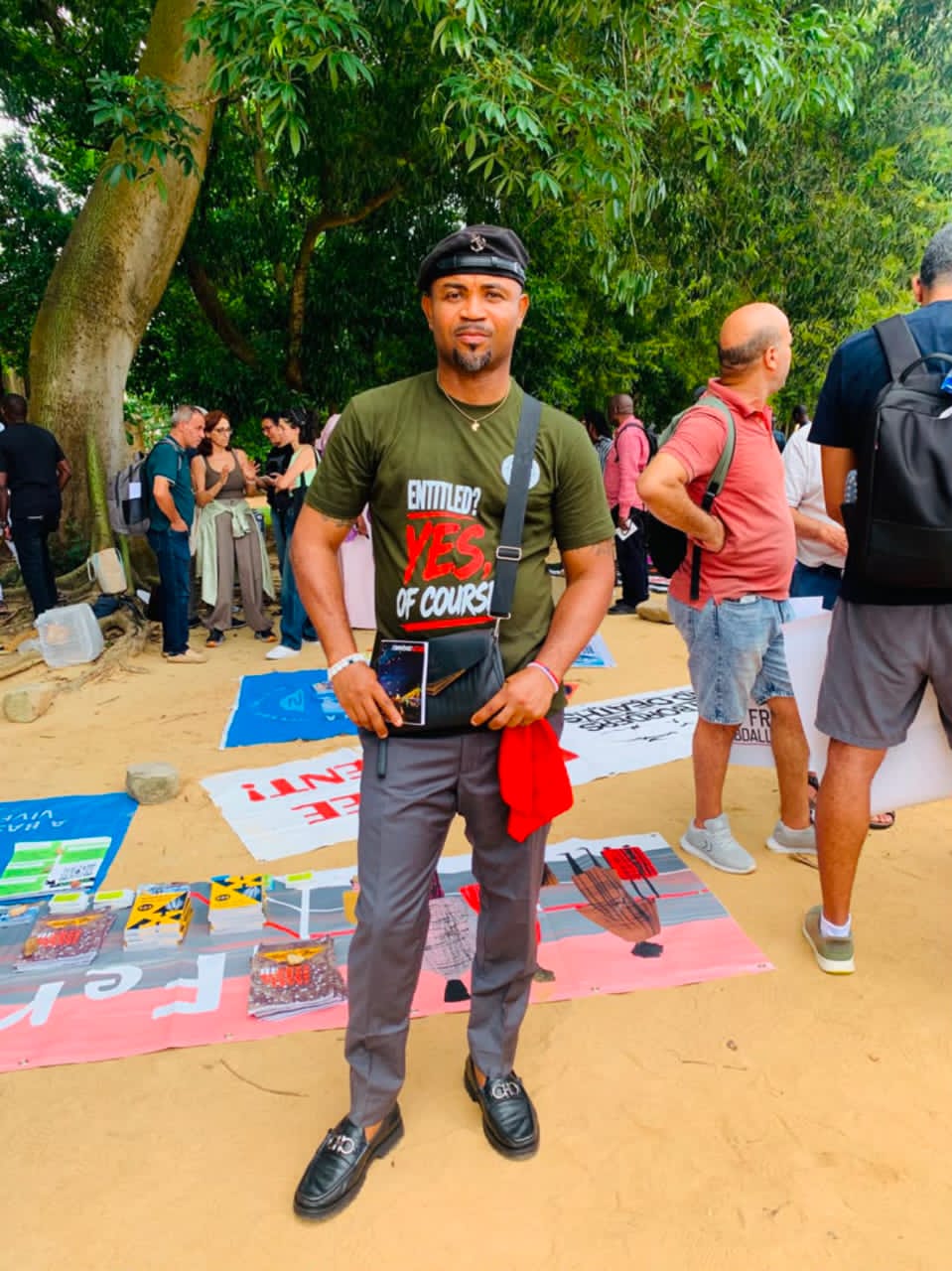
For many young Nigerians, the dream of a better life abroad can be powerful enough to overshadow the dangers that lie along the road to irregular migration.
Behind promises of jobs, education and prosperity are stories of human trafficking, exploitation, abuse, detention and, in some cases, death on dangerous migration routes.
It is within this difficult reality that Udekwe Kennedy Obinna, founder of Migrants Lives Matter (MLM), has carved out a humanitarian mission: to ensure that young people and other vulnerable persons have the information, protection and support needed to avoid becoming victims of traffickers and unsafe migration.
Through Migrants Lives Matter, Obinna has continued to champion the safety, dignity, rights and well-being of migrants and vulnerable persons, taking awareness campaigns into schools, communities and other spaces where people are most exposed to misinformation, desperation and exploitation.
His message is simple but urgent: no one should have to lose their dignity, freedom or life in the search for a better future.
Taking the Message to the Young
One of the most important pillars of MLM’s work is reaching young people before traffickers and migration agents with false promises get to them.
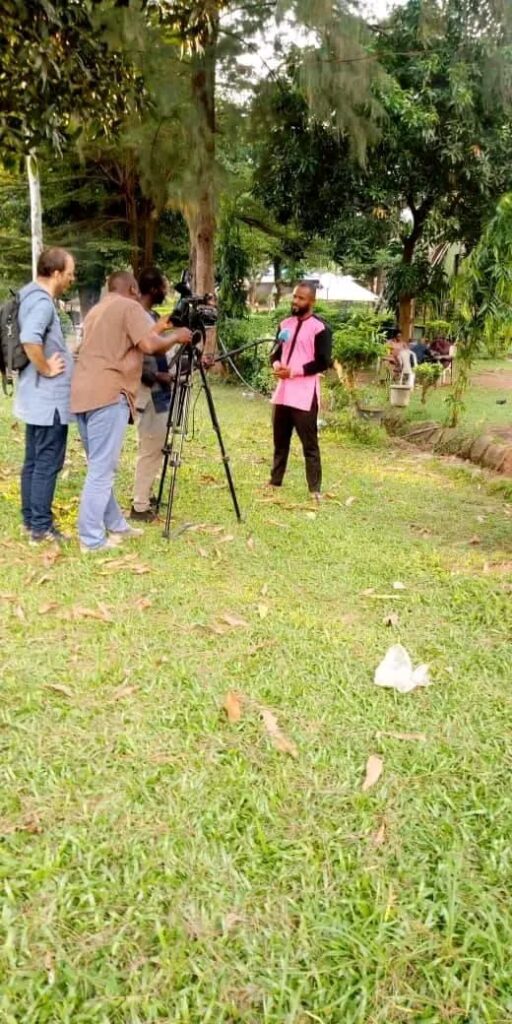
Across Abuja and other parts of Nigeria, the organisation has conducted sensitisation workshops in secondary schools, educating students about the hidden dangers of irregular migration and human trafficking.
The sessions go beyond simply warning young people not to travel. They expose the realities that are often concealed behind attractive offers of employment and opportunities abroad.
Students are educated about unsafe migration routes, exploitation, trafficking networks and the devastating consequences that can follow poorly informed migration decisions.
For Obinna, prevention begins with knowledge.
By equipping students with accurate information at an early stage, MLM seeks to ensure that they can recognise the warning signs of trafficking and exploitation and make informed choices about their future.
Challenging the False Promises of Traffickers
Human traffickers often thrive where there is desperation, unemployment, poverty and a lack of information.
They prey on dreams.
A promise of a good job can become forced labour. An offer of assistance with travel can become a journey into exploitation. What begins as hope can end in abuse, trauma and loss.
Migrants Lives Matter has made it part of its mission to confront these realities through migration awareness and anti-human trafficking campaigns.
The organisation engages schools, communities and vulnerable populations, drawing attention to the methods used by traffickers and the dangers associated with irregular migration.
Through its campaigns, MLM promotes safe, informed and regular migration, encouraging prospective migrants to seek accurate information and understand the risks before making life-changing decisions.
The goal is not to condemn the aspirations of those who wish to migrate, but to help ensure that their dreams do not become pathways to exploitation.
Beyond Awareness, Building Alternatives
Obinna’s humanitarian vision also recognises that awareness alone may not be enough.
For a young person facing unemployment, financial hardship or limited opportunities, knowing the dangers of irregular migration does not automatically remove the pressures that make such journeys attractive.
This is why youth empowerment, engagement, skills development and livelihood initiatives form part of MLM’s broader response.
The organisation seeks to help young people make informed decisions about migration and employment while promoting opportunities that can reduce their vulnerability to traffickers and exploitative networks.
By encouraging skills acquisition and livelihood development, MLM hopes to address some of the conditions that push vulnerable persons towards dangerous and uncertain migration routes.
It is an approach that sees prevention not merely as telling people what not to do, but also helping them identify safer and more sustainable alternatives.
Reaching Communities, Protecting the Vulnerable
The work of Migrants Lives Matter extends beyond classrooms.
Through community outreach programmes, the organisation addresses issues of trafficking, exploitation, irregular migration and migrant rights, while encouraging communities to become active participants in protecting vulnerable people.
The organisation also provides protection and referral support for vulnerable migrants and victims, linking those in need with appropriate support services and relevant institutions where assistance is available.
For survivors and vulnerable migrants, the path to recovery can be difficult. MLM’s interventions also include reintegration support, subject to available resources, as part of efforts to help affected persons rebuild their lives.
The organisation understands that rescue from exploitation is only the beginning. Survivors may still need protection, support, skills and opportunities to prevent them from being pushed back into situations of vulnerability.
Giving Migrants a Voice
At the heart of Obinna’s work is a commitment to the rights and dignity of migrants.
Migrants Lives Matter continues to advocate greater public awareness of migrant rights, the prevention of human trafficking and the need for safer migration systems.
The organisation also carries out research and documentation on migration and trafficking-related challenges in Nigeria, contributing to a better understanding of the experiences and risks confronting migrants and vulnerable populations.
Through partnerships with schools, government agencies, civil society organisations, community leaders and other stakeholders, MLM is seeking to build a stronger network of protection and response.
The belief is that the fight against trafficking and dangerous migration cannot be won by one organisation alone.
It requires communities that are informed, institutions that are responsive, young people who are empowered and survivors who are supported.
A Humanitarian Mission With a Clear Message
At a time when stories of Nigerians and other Africans falling into the hands of traffickers or risking their lives on dangerous migration routes continue to raise concern, the work being championed by Udekwe Kennedy Obinna through Migrants Lives Matter carries a message of prevention, protection and hope.
His interventions are rooted in the conviction that every young person deserves access to information before making a migration decision, every victim deserves protection and support, and every migrant deserves to have his or her dignity and rights respected.
Through school sensitisation, community engagement, advocacy, youth empowerment, protection, referrals, research and collaboration, Migrants Lives Matter is steadily building a response to some of the humanitarian challenges surrounding migration and human trafficking in Nigeria.
For Obinna, the mission is ultimately about more than migration.
It is about protecting dreams from becoming tragedies.
It is about ensuring that vulnerability does not become a trafficker’s opportunity.
And it is about giving young people and vulnerable persons something that could save them from exploitation and danger: the knowledge, support and power to choose a safer future.
News
Une militante sénégalaise transforme la mort de son frère sur la route migratoire de l’Atlantique en combat pour le changement
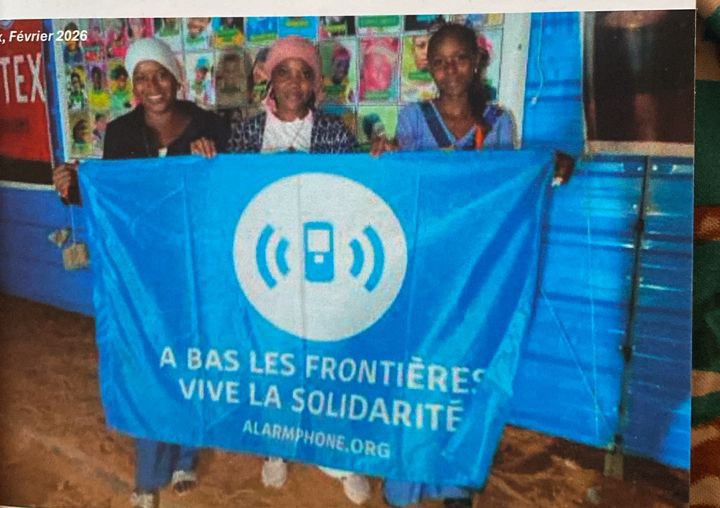
La mort de son jeune frère, Mbaye Diop, lors d’une traversée de l’Atlantique vers l’Espagne a transformé la vie de Ndeye Fall Dieye. D’abord marquée par le deuil et les questions restées sans réponse, son existence est désormais consacrée à une campagne visant à faire en sorte que les migrants qui meurent sur des routes dangereuses ne soient pas oubliés.
Diop faisait partie des migrants ayant perdu la vie après le naufrage, en avril 2024, d’une embarcation transportant des personnes vers les îles Canaries, au large de l’île d’El Hierro.
Pour Dieye, la tragédie a commencé par une conversation téléphonique avec son frère, qui allait devenir leur dernier échange.
« La dernière fois que je lui ai parlé, c’était juste avant qu’il parte avec ses compagnons pour traverser l’océan », se souvient-elle, décrivant les jours qui ont suivi comme une période de peur intense et d’incertitude.
Pendant plus d’une semaine, la famille a attendu désespérément des nouvelles. Finalement, elle a appris que l’embarcation avait connu un drame près des îles Canaries.
« Tout ce que nous avons reçu comme réponse, c’était cette image glaçante d’une pirogue en train de chavirer », raconte-t-elle. « Cette image n’a fait qu’accroître notre angoisse, nos doutes et nos questions sans fin. »
Selon Dieye, son frère n’avait pas quitté son foyer de manière irréfléchie. Il poursuivait ce qu’il croyait être une chance d’avoir un avenir meilleur.
Le football, explique-t-elle, était sa plus grande passion, et il rêvait de trouver des opportunités au-delà des difficultés et de l’incertitude économique qui l’entouraient.
« Il ne partait pas sur un coup de tête », affirme-t-elle. « Pour lui, le football, c’était tout. Il voulait un terrain plus vaste, un avenir meilleur et un moyen de sortir de la pauvreté. »
Mais l’océan a englouti ces rêves.
Un deuil qui refuse de disparaître
Plus de deux ans après sa mort, Dieye affirme que la douleur reste profondément ancrée dans son quotidien.
Elle raconte qu’il lui arrive de saisir instinctivement son téléphone, pensant qu’elle pourrait encore appeler son frère, même si elle sait qu’il ne répondra jamais. À d’autres moments, une notification ou un souvenir fait naître en elle, l’espace d’un instant, l’espoir douloureux qu’il soit peut-être encore en vie.
Selon elle, le deuil est d’autant plus difficile que certaines personnes s’attendent à ce que les familles « tournent la page ».
« Les souvenirs restent intacts dans nos esprits », dit-elle. « Les gens nous demandent d’oublier, mais c’est impossible. »
Son frère, ajoute-t-elle, était bien plus qu’un simple frère.
« Mbaye était mon petit frère, mon confident, mon autre moitié », confie-t-elle.
Sa présence, explique-t-elle, continue de revenir dans ses rêves, où elle a brièvement l’impression qu’il est toujours vivant, avant de se réveiller face à la réalité de son absence.
Trouver de la force auprès d’autres familles endeuillées
Plutôt que de porter seule son chagrin, Dieye a finalement trouvé du soutien auprès d’autres familles ayant perdu des proches sur les routes migratoires.
À travers des réseaux tels que le Collectif des Victimes de la Migration au Sénégal (COVES) et le mouvement CommémorAction, elle a rencontré d’autres mères, pères, sœurs et proches confrontés à des épreuves similaires.
Ces rencontres ont offert aux familles un espace où elles peuvent parler ouvertement de leurs pertes, partager leurs souvenirs et s’opposer à ce qu’elles considèrent comme la réduction des décès de migrants à de simples statistiques.
« Pouvoir parler de mon frère et de sa passion pour le football avec d’autres mères et sœurs qui partagent la même douleur nous aide à transformer notre immense chagrin en une force collective », explique-t-elle.
Dieye a participé à plusieurs activités commémoratives au Sénégal, notamment à un important rassemblement à Dakar, au cours duquel des familles ont allumé des bougies et rendu hommage à leurs proches morts en tentant d’emprunter des routes migratoires dangereuses.
L’objectif, dit-elle, est de faire en sorte que les noms, les visages et les histoires des disparus ne sombrent pas dans le silence.
Porter le combat au-delà du Sénégal
Sa recherche de solidarité l’a également conduite au Cameroun, où elle a rencontré des familles ayant vécu des pertes similaires.
Cette visite, explique-t-elle, a renforcé sa conviction que le drame vécu par sa famille s’inscrivait dans une crise beaucoup plus vaste, qui touche des communautés à travers l’Afrique et au-delà.
« C’est là que j’ai véritablement compris que ma tragédie n’était pas un cas isolé », affirme Dieye.
Lors de rencontres et d’échanges avec des familles endeuillées, les participants ont partagé des récits de pauvreté extrême, d’isolement, de familles brisées et de pressions qui poussent souvent les jeunes à entreprendre des voyages dangereux.
Certains parents, raconte-t-elle, se reprochaient de ne pas avoir été capables d’offrir suffisamment d’opportunités à leurs enfants.
Dieye et d’autres militants ont cherché à remettre en question ce sentiment de culpabilité, estimant que les familles ne devraient pas être tenues responsables de conditions générales qui donnent à certains jeunes le sentiment de ne pas avoir d’avenir dans leur propre pays.
« Les parents ne sont pas responsables », affirme-t-elle. « Les vrais problèmes sont la fermeture des frontières, les inégalités et le manque de perspectives pour notre jeunesse. »
« L’océan ne doit pas avoir le dernier mot »
Au cœur de cette campagne se trouve une demande de reconnaissance, de mémoire et d’une plus grande attention aux circonstances qui poussent des milliers de jeunes Africains à risquer leur vie sur les routes terrestres et maritimes.
Dieye estime que la pauvreté, les inégalités, la pression sociale et les politiques migratoires restrictives ont créé des conditions dans lesquelles de nombreux jeunes considèrent les voyages dangereux comme leur seule voie vers une vie digne.
Elle souligne ainsi que les commémorations et les campagnes ne consistent pas uniquement à pleurer les morts, mais aussi à remettre en question les conditions qui continuent d’exposer les migrants au danger.
Lors d’une dernière cérémonie commémorative réunissant des familles de différents pays, Dieye a déclaré que les frontières nationales semblaient disparaître alors que les participants se retrouvaient autour d’une expérience commune de la perte.
Aujourd’hui, dit-elle, la mémoire de son frère fait partie d’un combat plus vaste.
« Mon frère ne vit plus seulement dans nos regrets », affirme-t-elle. « Il continue de vivre à travers nos luttes. »
Aux côtés des familles qui ont perdu des frères, des fils, des filles et d’autres êtres chers sur les routes migratoires, Dieye affirme qu’elle continuera à marcher, à prendre la parole et à commémorer les morts.
« Nous continuerons à marcher, à nous rassembler et à nous souvenir », dit-elle, « afin que leur mémoire éclaire notre chemin et que l’océan n’ait jamais le dernier mot. »

How WSF changed ways participants see migration

Défendre les plus vulnérables :

Fighting for the vulnerable: How Udekwe Kennedy Obinna Is giving migrants a voice and a chance at safer futures

Une militante sénégalaise transforme la mort de son frère sur la route migratoire de l’Atlantique en combat pour le changement
Senegalese activist turns brother’s death on Atlantic migration route into campaign for change
-
 News Extra2 weeks ago
Des manifestations éclatent après la mort de migrants dans le naufrage d’un bateau
-
News Extra3 weeks ago
La Libye intercepte 87 migrants alors que trois personnes meurent et que plusieurs autres sont portées disparues
-
 News3 weeks ago
La Méditerranée transformée en « cimetière par politique » — Chercheur
-
News3 weeks ago
Libya Intercepts 87 migrants as three die, several others missing
-
 News Extra2 weeks ago
Alarm Phone rend hommage aux migrants morts en Méditerranée et exige des voies de passage sûres
-
News3 weeks ago
Mediterranean turned to cemetery by policy – Researcher
-
 Uncategorized2 weeks ago
Refugees in Libya raises alarm over alleged sexual harassment of minor
-
News2 weeks ago
Alarm Phone pays tribute to migrants who died crossing Mediterranean, demands safe passage