
News Extra
Abolish Frontex: Criticism of mentioning activists in Europol’s “Trend Report” on Terrorism

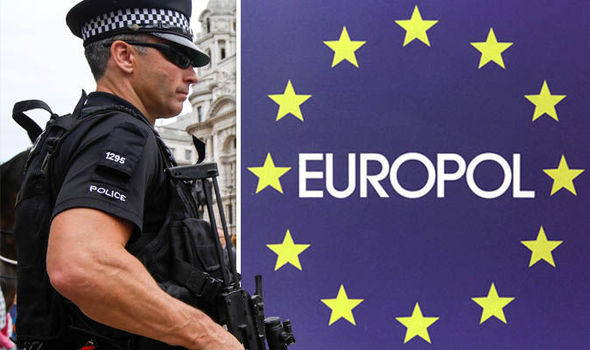
The international network Abolish Frontex has sharply criticised its mention in Europol’s latest anti-terrorism report. It is a criminalisation of dissent intended to prepare for violent repression of the activists involved there, the network said in a statement to “nd”. The Hague-based EU police agency had named Abolish Frontex in May in its “EU Terrorism Situation and Trend Report” (TE-SAT) for 2023. There, Europol collects terrorist incidents in the 27 member states and related arrests.
The fact that Abolish Frontex appears in the TE-SAT raises questions. For as Europol itself writes, this report is “primarily focuses on presenting the situation on terrorism in the EU”, but also mentions “violent extremist acts and activities, and on non-violent extremist acts and hateful narratives”. It remains open why this should apply to Abolish Frontex. The network currently consists of 132 groups and organisations, including from sea rescue or legal advice, as well as the self-organisation of refugees. “Abolish Frontex is working towards ending the EU border regime; dismantling the border-industrial complex, and building a society where people are free to move and live,” says the website on its goals.
No Border movement also named in report
In Europol’s “Trend Report”, Abolish Frontex is not directly described as terrorist, but appears under the heading “Left-wing and anarchist terrorist attacks, arrests, convictions and penalties” and the sub-heading “Activities and topics” there. A “No Border movement” is also mentioned in the TE-SAT, as it “within the left-wing and anarchist extremist spectrum advocates for the abolition of borders and freedom of movement worldwide”. According to Europol, the activists, described as “extremists”, propagate “narratives in support of their own perceptions on migration”. In this context, the border agency Frontex in particular is “seen as a stark enemy”, Europol writes.
After all, Europol also counts a border camp in August 2022 in Rotterdam among the networks that favoured left-wing terrorism. According to Europol, “extremists from all over Europe” would have participated in discussions and workshops held there with a focus on abolishing Frontex. These discussions did indeed take place, a participant confirms to “nd”. However, the camp was completely peaceful and, moreover, rather small with about 150 participants.
“This is clearly about stigmatising left positions, ideas and forms of action as extremist,” criticises Cornelia Ernst, a left MEP, in response to a question from “nd”. The Europol paper reads in parts like old reports by the domestic secret service from Germany. “Europol is thus laying the foundation for further criminalisation of no-border activists,” said the MEP, who has her constituency in the city of Dresden in Saxonia.”
Culled from: https://digit.site36.net/2023/06/22/abolish-frontex-criticism-of-europols-trend-report-on-terrorism/


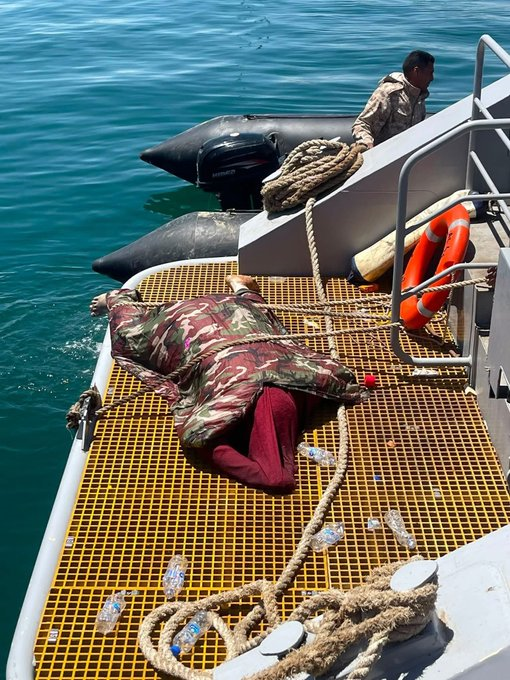
The Executive Director of Refugees in Libya, David Yambio, has mourned the death of a migrant whose body was recovered off the coast of Benghazi after reportedly being stranded at sea for 14 days, describing the incident as a stark reminder of the dangers faced by people fleeing conflict and persecution.
In a post on X, Yambio reflected on his own experience in Libya, saying that while detained in the North African country, he had often hoped that, if he were to die, it would be at sea rather than at the hands of violent militias.
According to him, the sea represented the only place where many migrants retained a sense of dignity, as they risked everything in pursuit of safety and international protection.
Yambio questioned what he described as a deeper humanitarian tragedy, arguing that many people seeking refuge would rather face the dangers of the Mediterranean than remain exposed to violence by armed groups in Libya.
He also criticised what he called Europe’s role in arming militias and accused African leaders of remaining silent in the face of abuses against migrants.
The activist said the photograph accompanying his post showed one of several people seeking protection who had been stranded at sea for two weeks. He noted that the man’s body, along with those of two others, was recovered off the coast of Benghazi a few days ago.
Ending his post on a poignant note, Yambio said the deceased asylum seeker had been portrayed as an “invader,” underscoring what he believes is the dehumanisation of migrants fleeing in search of safety.
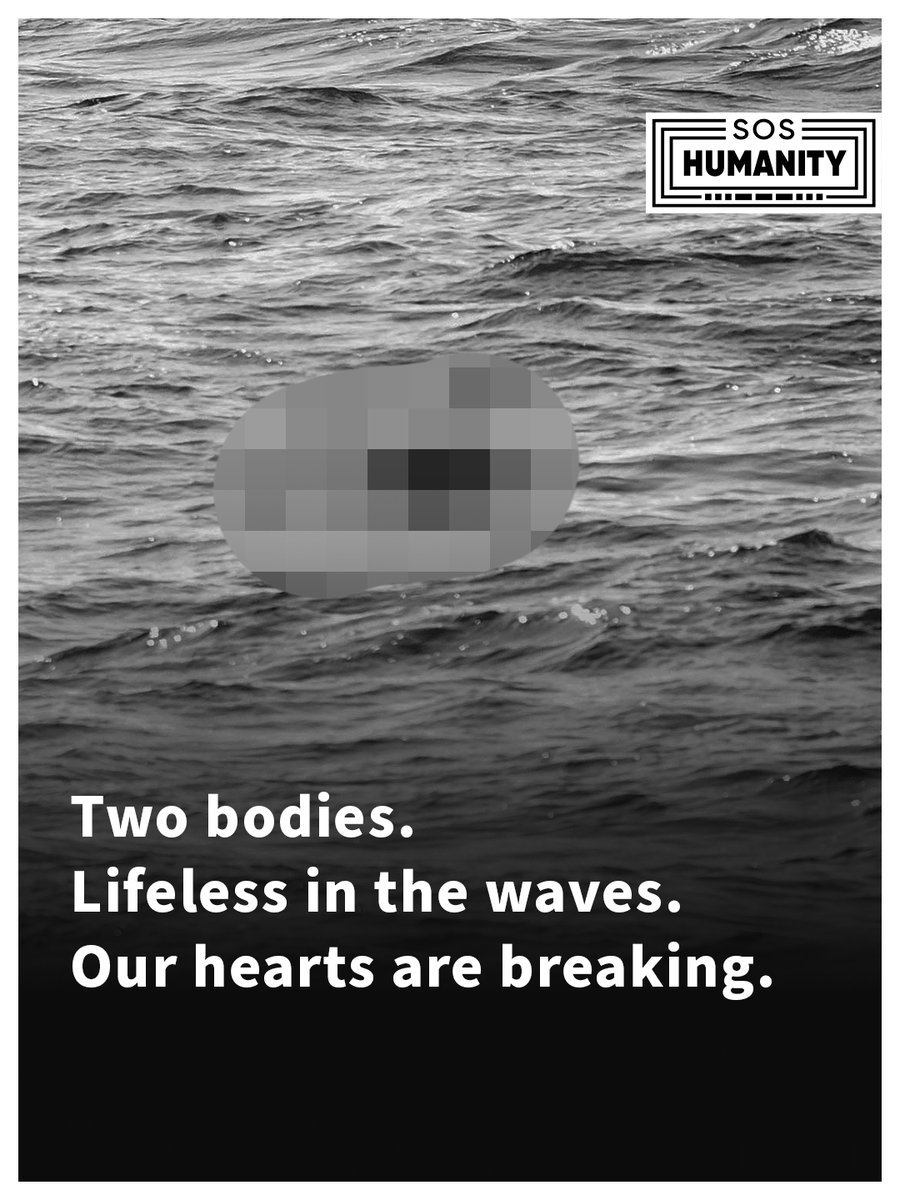
At least 50 migrants are feared dead or missing after a boat carrying about 60 people capsized off the eastern coast of Libya while attempting to cross the Mediterranean Sea to Europe, authorities have said.
The vessel overturned on Tuesday near Bardaa Island, off the coastal city of Tobruk, according to the Coast Guard in eastern Libya.
Officials said 10 passengers, including some women and children, survived by swimming to Bardaa Island. Search and rescue operations were still ongoing as authorities continued efforts to locate the remaining passengers.
The latest disaster is another in a series of deadly shipwrecks involving migrants departing from Libya, a major transit hub for people seeking to reach Europe in search of safety and better economic opportunities.
Just last month, another migrant boat sank off eastern Libya, leaving 51 people dead or missing.
Since the 2011 NATO-backed uprising that overthrew longtime ruler Moammar Gadhafi, Libya has remained politically unstable, making it a key departure point for migrants fleeing conflict, persecution and poverty across Africa and the Middle East.
Human traffickers frequently load migrants onto overcrowded and unseaworthy boats for the dangerous Mediterranean crossing, a route that has claimed thousands of lives over the years and remains one of the world’s deadliest migration corridors.
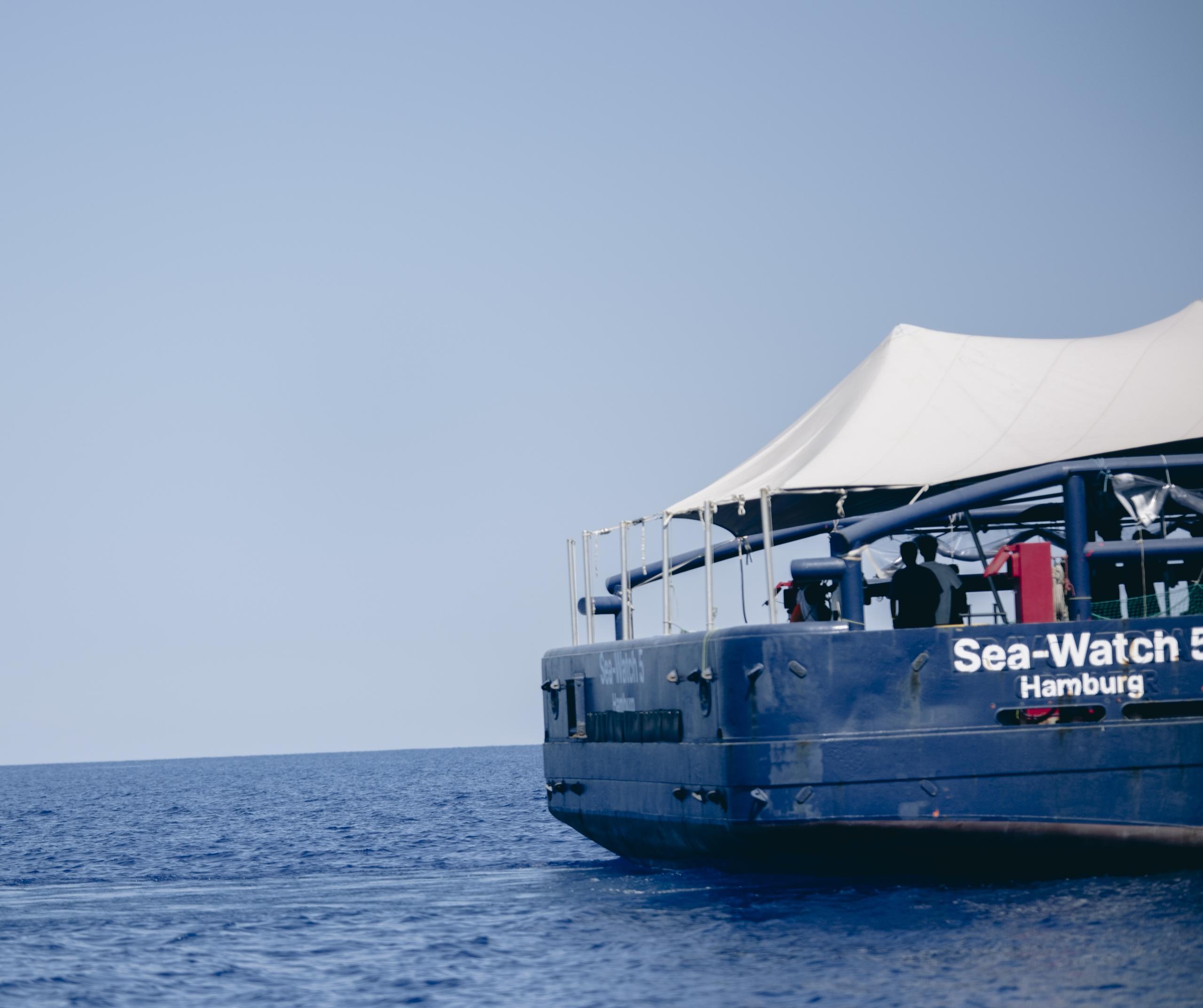
Sea-Watch International has announced that its rescue vessel, Sea-Watch 5, has returned to operations in the central Mediterranean after what it described as an attack by Libyan militias in May, saying it has already rescued 52 people in two separate operations.
In a post published on its verified X account, @seawatch_intl, the humanitarian organisation said 40 people were rescued on the first day of operations, followed by another 12 the next day. It added that one of the survivors, a pregnant woman, requires urgent medical care.
Sea-Watch also claimed that an average of eight people die every day while attempting to cross the Mediterranean Sea, renewing its criticism of European migration policies and rescue coordination.
The organisation accused the Italian government of assigning its rescue vessel to the northern port of Marina di Carrara, which it said is more than four days away from the rescue zone. According to Sea-Watch, the practice keeps humanitarian rescue ships away from areas where migrants are most at risk.
“To ensure that as few rescue ships as possible are in the rescue area, Italy sends us to the northern port Marina di Carrara, 4+ days away,” the group wrote, describing the decision as “cruel and irresponsible.”
Sea-Watch argued that the lengthy journey delays the disembarkation of rescued migrants and reduces the number of rescue vessels available to respond to emergencies at sea.
The organisation also directly criticised Italian Prime Minister Giorgia Meloni over the country’s migration policies, questioning the government’s approach to search-and-rescue operations in the Mediterranean.
Italian authorities have previously defended the assignment of distant ports to humanitarian vessels, saying the measure is part of efforts to manage migrant arrivals and coordinate disembarkation procedures.

ICC confirmation of 17 charges against El-Hishri draws praise from rights groups

Expert raises questions over UNHCR’s strategic direction after new leadership appointments

UN appoints new senior leadership for UNHCR

Migrant advocate laments death of asylum seeker, condemns Libya abuses

50 die as boat carrying about 60 people capsizes
-

 News2 weeks ago
Favour Henshaw appointed administrator of Platform for Cooperation on Mixed Migration
-
 News3 weeks ago
Former UNHCR official sparks debate with ‘there is no such thing as a race’ comment
-
 News2 weeks ago
Lampedusa: built to accommodate 400 people, now holds thousands of migrants
-
 News Extra2 weeks ago
Pope urges European leaders to make greater investment in developing migrants’ countries of origin
-

 News7 days ago
IYAMIDR commends Okpebholo for ₦1m support to South Africa returnees
-
 Features3 weeks ago
1,500 young Chadians to benefit from EU, IOM funds
-
 Features3 weeks ago
EU, IOM, launch regional programme to help countries respond to climate displacement
-
 News2 weeks ago
World silent as drone strikes, extreme hunger ravage El Obeid families