
News Extra
It’s time to change our failing, immoral border policies – Aegean Boat Report

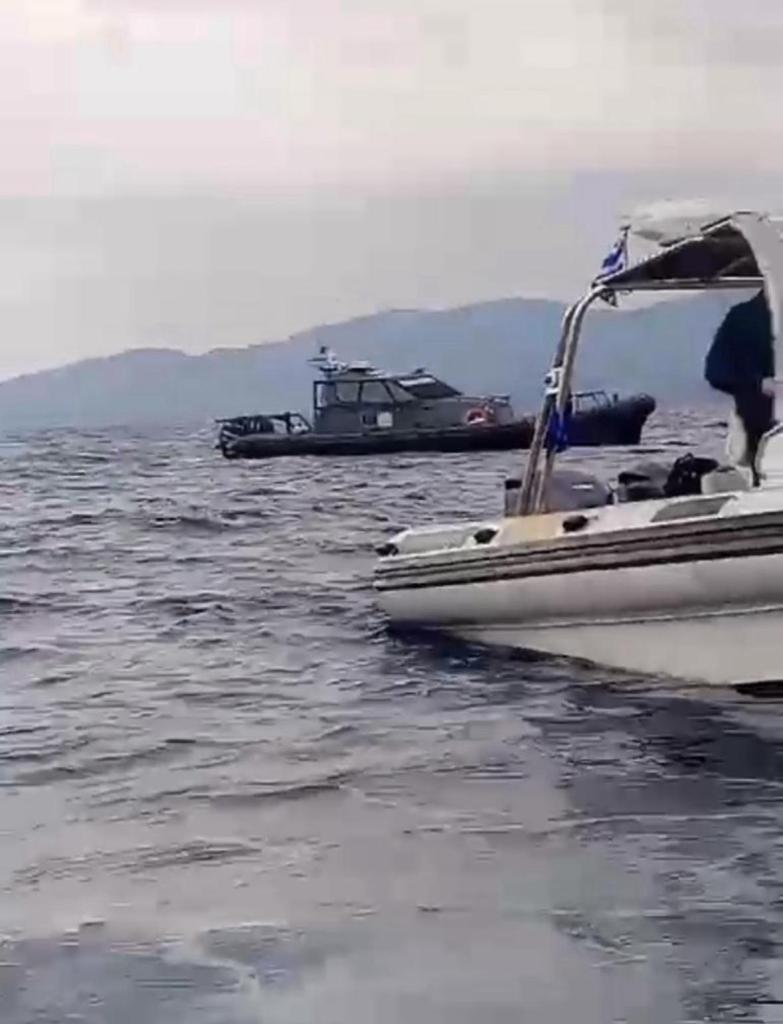
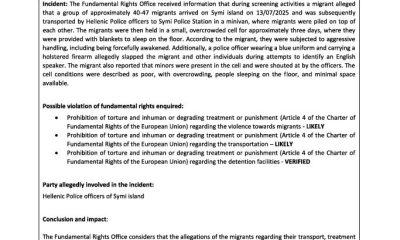
Over the last month we ( Aegean Boat Report) have registered a shift in routes used by people seeking international protection in the Aegean Sea.
Normally, people crossing from Turkey towards the Greek islands have had Lesvos, Chios, Samos and Kos as their main destination. Now, smaller islands seem to get more arrivals.
Why this is happening now could have severe explanations, but we believe more focus and surveillance by Greek authorities and the European Border and Coast Guard Agency Frontex, around the bigger islands is the main reason.
This, together with a more active approach by the Turkish authorities to actually try to stop boats from crossing into Greek waters, and the fact that they are moving Afghans away from coastal areas in the North Aegean, has drastically reduced crossings.
We are now in almost daily contact with people arriving on islands like Ikaria, Fournoi, Patmos, Leipsoi, Nisyros, Tilos, Pserimos and Kalimnos, previously this was the exception, now it’s starting to move towards the rule.
This might seem like a strange change, since people arriving on the main islands don’t face the risk of being pushed back as they previously did. The “hunt” for new arrivals by masked men suddenly stopped after the Pylos shipwreck, and as far as we have been able to document, all arrivals on these main islands, are now taken to camps and given the opportunity to apply for international protection.
But this is many times not the case on these smaller islands: especially the less populated ones. So why would people take the chance of going there, if the risk of being pushed back is higher?
The problem isn’t that they fear being pushed back after they arrive on a Greek island, they fear more being pushed back at sea before they arrive. The risk of being pushed back from smaller islands, especially deserted ones, is a genuine risk that we have documented, but it seems they are willing to take this risk, because the risk of being pushed back at sea around the main islands is much higher.
On and around the main islands the surveillance has drastically increased over the last years, more eyes are watching the sea area, not only those of Greek authorities, but also of Frontex, from land, air and sea. The chance of getting across the sea border in these areas was previously very low. Now, after Turkish authorities have intensified their efforts to stop boats in these areas, it’s almost impossible to get across undetected. The chance of getting across in these main areas has gone from 70% to under 30% in just a month. We believe this is no coincidence, and is suspected to be firmly linked to a deal made between Greece and Turkey, supported by the EU Commission. What Turkey has been offered is so far unknown, but it’s highly unlikely that Turkey would settle for nickels and dimes.
To understand this shift in movement, you need to have some understanding of how smugglers operate in Turkey. It’s not as if the people in the boats have much say in the decision on whether they are sent towards a big island or a small one: they basically do as they are told and hope for the best.
Smugglers only get paid if they successfully manage to get their “product” transported from point A to point B. If for some reason the transport is stopped and returned, the smugglers don’t receive payment, and are given a new opportunity to successfully deliver their services. If they are unsuccessful several times, the customer can take their money to another smuggler, leaving the previous smuggler with the costs of boats, engines, petrol etc. without getting paid. This is of course not good for business, and if too many obstacles are hindering their work, they change strategy. This is what we believe has happened.
Crossing attempts in the Aegean Sea the last month has gone down by more than 50%, from 246 cases in February, to 119 in March. We normally would have expected that pushback cases, and especially cases where people are pushed back in life rafts, would follow a similar pattern. On the contrary, despite the fact that crossing attempts have gone down by more than 50%, cases in which people have been forced into life rafts and left helplessly drifting in the Aegean Sea have not decreased, but instead increased 8% compared to February.
It’s a worrying development worth noting. It’s that smugglers in Turkey are now targeting these smaller islands as their transport destinations, not out of the kindness of their hearts and a genuine concern for their customers wellbeing, but out of necessity to make money off the back of vulnerable people, whose routes towards safety in Europe have been firmly closed by European authorities.
People are now arriving on islands which are not equipped or prepared to handle increased arrivals, nor have the necessary infrastructure and resources to quickly initiate rescue operations, if boats are in distress.
None of the main humanitarian organizations have staff on these smaller islands. There is basically no ground support in place to support them with shelter, food, clothes and medical attention. Also, the routes towards these islands are longer: any crossing in a rubber boat towards any island is very dangerous, and the more time people must stay in these fragile boats, the higher the risk of something going terribly wrong.
We fear – in fact, we are certain – that more lives will be unnecessarily lost if smugglers continue to use these longer routes.
The only solution to this problem, and the only way to put smugglers in Turkey out of business, is not to put in place more obstacles, but to open legal safe pathways into Europe for people seeking international protection.
The smuggling industry in Turkey making billions from people’s suffering, is a product of our time, it was not created in a vacuum. Smugglers have existed as long as people and states have tried to hinder the movement of goods and people: for better or for worse, they are serving a purpose, responding to and providing for, a demand in the market, not from kindness, but necessity. Any market is driven by a very simple principle, supply and demand, one will not exist without the other. We can in this case ask who or what created the demand, and the answer isn’t rocket science.
When we put up walls and fences, we at the same time create an opportunity for people to make money. We might try to say “we are not responsible”, and directly this is in many cases true, but indirectly we are very much responsible: anyone denying this fact is delusional.
Throughout history people have, for various reasons, wandered this Earth, and over time moved from one area to the next, following mainly resources and climate change.
Nothing has changed, people are still in need of finding new places to live, mostly out of necessity, as a result of war and climate change, but now we have put up fences and walls to try to hinder people from finding safety, with the excuse of self-preservation and protection.
In the short term, it might seem to be “working”, but in the long run nothing can stop people from moving. If determined or desperate enough, they will always find a way, a more dangerous and deadly way, but in the end it will not matter, because they have no other alternative if they want to live.
It is well beyond time that the Greek government, and all governments, including the EU, recognised this.
Not only are the policies of ‘deterrence’ incredibly expensive, they are absolutely failing. Of course they are: by increasing the risk and reality of mass death on the sea, they are efforts to force the entire flow of human history to change.
They are doomed to always fail. For the good of our moral health, for the good of our economic health, and for the welfare of men, women and children like ourselves, we have to change.
In place of our litany of failure, at the cost of tens of thousands of deaths, we must set up safe routes, in affordable or free transport, for those who need it, to save lives, save enormous amounts of money, and put smugglers out of business.






News Extra
Alarm Phone signale des appels de détresse de migrants au large de la Crète et le sauvetage de 53 personnes
L’organisation humanitaire Alarm Phone a fait état de plusieurs appels de détresse provenant de trois groupes de migrants qui tentaient de rejoindre la Grèce, dont 75 personnes bloquées en mer agitée au sud de la Crète.
Dans une série de publications sur X, l’organisation a indiqué que le groupe de 75 personnes se trouvait dans une situation de grande détresse, de l’eau s’infiltrant dans leur embarcation alors qu’elle dérivait au milieu de fortes vagues.
Alarm Phone a précisé que les migrants étaient pris de panique et a appelé les garde-côtes grecs à poursuivre les recherches, après que les autorités auraient déclaré ne pas avoir réussi à localiser l’embarcation, malgré la transmission de coordonnées actualisées.
Dans un autre incident signalé le 1er novembre, l’organisation a indiqué avoir reçu un appel de détresse de 53 personnes bloquées au sud de la Crète.
Selon Alarm Phone, elle avait alerté les garde-côtes grecs la veille au soir et avait été informée qu’une opération de recherche était en cours.
Le groupe aurait été privé de nourriture et d’eau potable dans l’attente des secours.
Cependant, l’organisation a indiqué par la suite que des proches des migrants l’avaient informée du sauvetage du groupe. Les garde-côtes grecs ont également confirmé avoir secouru une embarcation dans la zone.
Alarm Phone s’est réjouie de ce sauvetage, exprimant l’espoir que toutes les personnes à bord étaient saines et sauves.
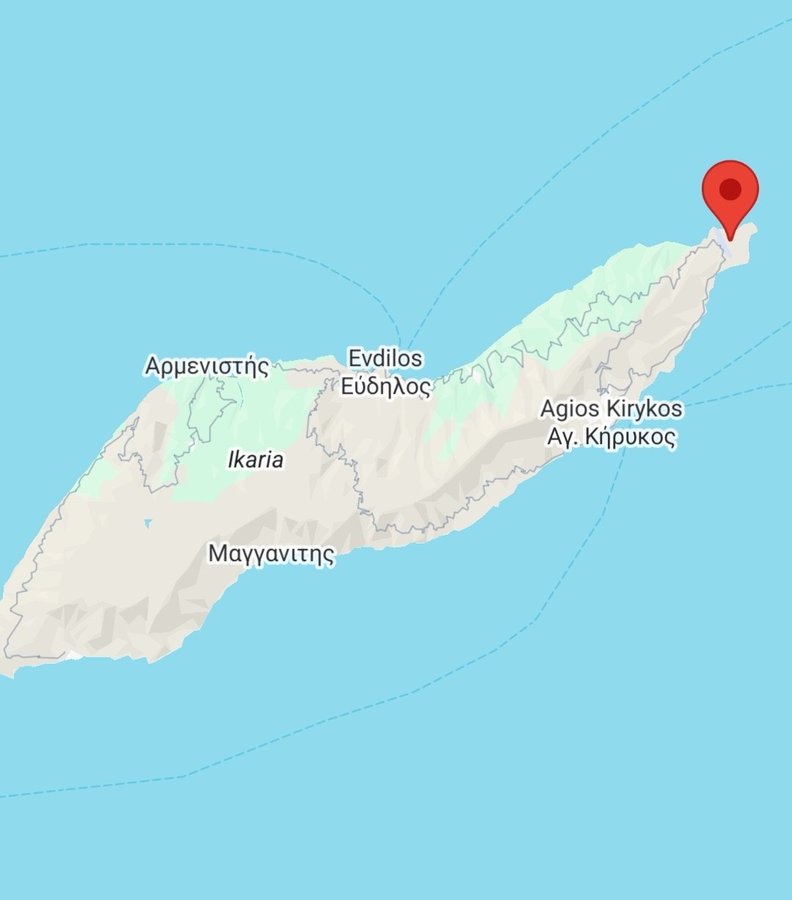
Dans un autre incident, l’organisation a signalé qu’environ 71 migrants, dont deux femmes enceintes et des enfants, avaient atteint l’île grecque d’Ikaria après l’avoir contactée alors qu’ils étaient encore en mer.
Le groupe aurait sollicité une assistance médicale urgente, Alarm Phone avertissant que plusieurs personnes vulnérables parmi les migrants nécessitaient une prise en charge immédiate.
L’organisation a ensuite indiqué avoir rétabli le contact avec les migrants, qui ont confirmé se trouver dans un commissariat de police sur l’île.
Alarm Phone leur a souhaité beaucoup de courage et de bonne chance pour la suite de leur parcours.
Ces incidents mettent en évidence les risques persistants auxquels sont confrontés les migrants qui tentent de traverser la mer dans des conditions dangereuses pour rejoindre les pays européens, particulièrement lorsque les conditions météorologiques sont défavorables.
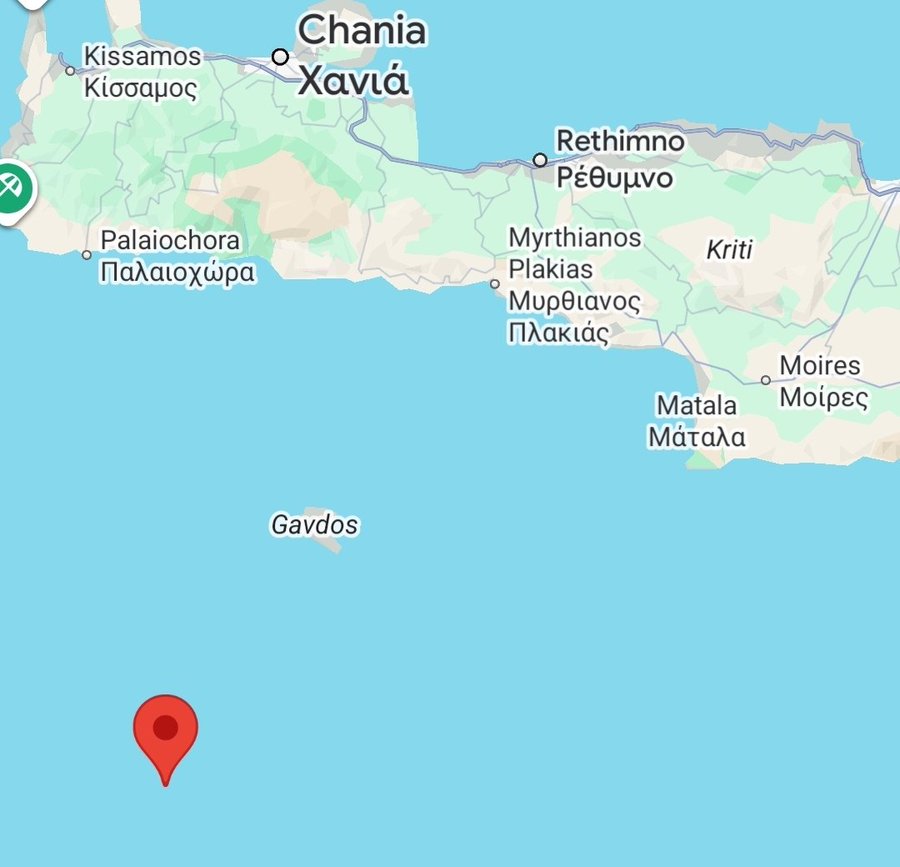
Humanitarian organisation Alarm Phone has reported receiving distress calls from three groups of migrants attempting to reach Greece, including 75 people stranded in rough seas south of Crete.
In a series of posts on X, the organisation said the group of 75 people was in severe distress, with water entering their boat as they drifted amid high waves.
Alarm Phone said the migrants were panicking and appealed to the Greek Coast Guard to continue searching for them after authorities reportedly said they had been unable to locate the boat, despite receiving updated coordinates.
In a separate incident reported on November 1, the organisation said it had received a distress call from 53 people stranded south of Crete.
According to Alarm Phone, it alerted the Greek Coast Guard the previous night and was informed that a search operation was underway.
The group was reportedly without food and drinking water while awaiting rescue.
However, the organisation later said relatives of the migrants informed it that the group had been rescued. The Greek Coast Guard also confirmed that it had rescued a boat in the area.
Alarm Phone expressed relief over the rescue and hoped that all those on board were safe.
In another incident, the organisation reported that approximately 71 migrants, including two pregnant women and children, had reached the Greek island of Ikaria after initially contacting it while still at sea.
The group reportedly requested urgent medical assistance, with Alarm Phone warning that several vulnerable people among them required immediate attention.
The organisation later said it had re-established contact with the migrants, who confirmed that they were at a police station on the island.
Alarm Phone wished them strength and good luck for the remainder of their journey.
The incidents highlight the continuing risks faced by migrants attempting dangerous sea crossings to reach European countries, particularly during periods of rough weather.
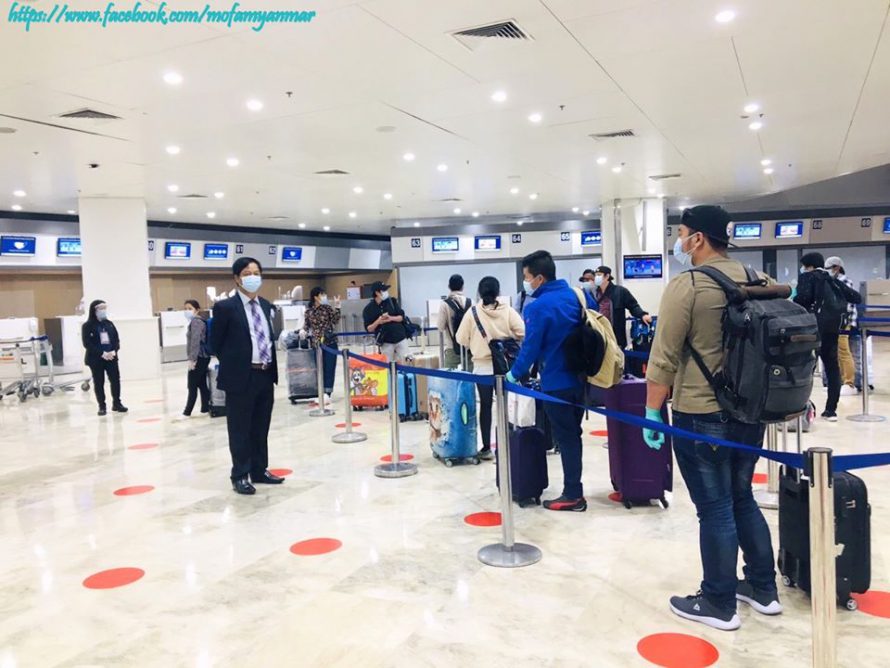
Nigerians lose an estimated N75 billion annually to visa application fees and related expenses, with unsuccessful applications to Schengen countries alone accounting for about N19 billion in 2025, according to a report obtained from the Ministry of Foreign Affairs.
The report attributed the losses to rising visa charges, high rejection rates and the non-refundable nature of fees paid to foreign embassies, leaving thousands of Nigerians financially disadvantaged when their applications are rejected.
Canada, the United Kingdom, Belgium, Spain and the United States were identified as some of the destinations where Nigerian applicants face significant financial risks due to stringent immigration requirements and high visa refusal rates.
Additional costs increase financial burden
The report noted that the cost of applying for visas goes beyond official application fees to include payments for visa application centres, medical insurance, hotel reservations, flight bookings and other supporting documents.
Depending on the destination, an unsuccessful visa application could cost an applicant between N350,000 and N1.2 million, even when the visa is eventually denied.
The situation has raised concerns about the financial implications of international travel for Nigerians, particularly students, tourists and other prospective travellers who must meet demanding documentation requirements before their applications are considered.
Canada, Schengen countries record high rejection rates
Canada reportedly rejected 75 per cent of Nigerian study permit applications between January and April 2026, meaning only one in four applicants received approval during the period.
The report attributed the high refusal rate largely to concerns among Canadian immigration authorities about whether applicants would leave the country after completing their studies.
Within the Schengen Area, Belgium recorded the highest visa refusal rate for Nigerian applicants at 60.3 per cent, followed by Spain at 52.7 per cent and France at 47.4 per cent.
The overall Schengen visa rejection rate for Nigerians increased to 46.9 per cent in 2025, compared with 45.9 per cent in 2024.
Approximately 250,000 applications were rejected during the period, resulting in an estimated N19 billion in losses to Nigerian applicants, according to the report.
UK, US also pose challenges
The United Kingdom recorded an overall visa refusal rate of 33.1 per cent for Nigerian applicants in 2025, which reportedly rose to 35.4 per cent in the first quarter of 2026.
Visitor visa applications had an estimated rejection rate of 38.6 per cent, exposing applicants to potential financial losses from non-refundable fees and travel-related arrangements.
For the United States, the report put the refusal rate for African applicants seeking F-1 student visas at approximately 64 per cent.
The figures underscore the financial risks confronting prospective international students and travellers who spend substantial amounts preparing their applications without any guarantee of approval.
Japan increases visa charges
Japan was identified as one of the destinations with relatively lower visa rejection rates for Nigerians, estimated at between 12 and 15 per cent.
However, the country reportedly increased its visa charges fivefold from July 1, 2026. A single-entry visa now costs ¥15,000, while multiple-entry applications attract a fee of ¥30,000.
The report also highlighted the cost of obtaining visas for other popular destinations.
A 10-year UK visitor visa was estimated at approximately N2.09 million, while a six-month visitor visa costs about N203,000.
The United States B1/B2 visitor visa was put at approximately N299,700, while Canadian visitor visa and biometric charges stood at about N205,000.
Visa-free destinations recommended
To reduce potential financial losses, the report advised Nigerians to consider destinations offering visa-free entry, visas on arrival or electronic travel authorisation, subject to meeting the relevant eligibility requirements.
Countries identified as possible alternatives include Ghana, Benin Republic, Togo, Senegal, The Gambia, Rwanda, Mauritius, Barbados and Dominica.
However, prospective travellers were urged to confirm applicable entry requirements before making travel plans, as visa-free arrangements and other immigration policies may change.
The report also advised intending travellers to verify current visa requirements through official government channels before paying application fees or committing funds to flight bookings, hotel reservations and other travel arrangements.

Alarm Phone signale des appels de détresse de migrants au large de la Crète et le sauvetage de 53 personnes

Alarm Phone reports distress calls from migrants off Crete, rescue of 53 people

Comment les Nigérians perdent 75 milliards de nairas chaque année en demandes de visa

How Nigerians waste N.75trillion annually applying for visa

SOS Humanity accuse Frontex de faciliter les refoulements de migrants vers la Libye
-

 News Extra3 weeks ago
Sudan: Drone attacks disrupt school lessons in El Obeid- NRC
-
 News3 weeks ago
Sea-Watch rescues 227 migrants in Mediterranean within 48 hours
-
 News3 weeks ago
Sea-Watch secourt 227 migrants en Méditerranée en 48 heures
-
 News3 weeks ago
Soudan : les attaques de drones perturbent les cours à El-Obeid, alerte le NRC
-

 News Extra6 days ago
IOM’s Displacement Tracking Matrix monitors 97.2 million people in 2025
-

 News6 days ago
Libya repatriates hundreds of migrants, deploys reinforcements to Tobruk
-
News6 days ago
Libye : des centaines de migrants rapatriés, des renforts déployés à Tobrouk
-
 News Extra6 days ago
La Matrice de suivi des déplacements de l’OIM a suivi 97,2 millions de personnes en 2025