
News Extra
It’s time to change our failing, immoral border policies – Aegean Boat Report

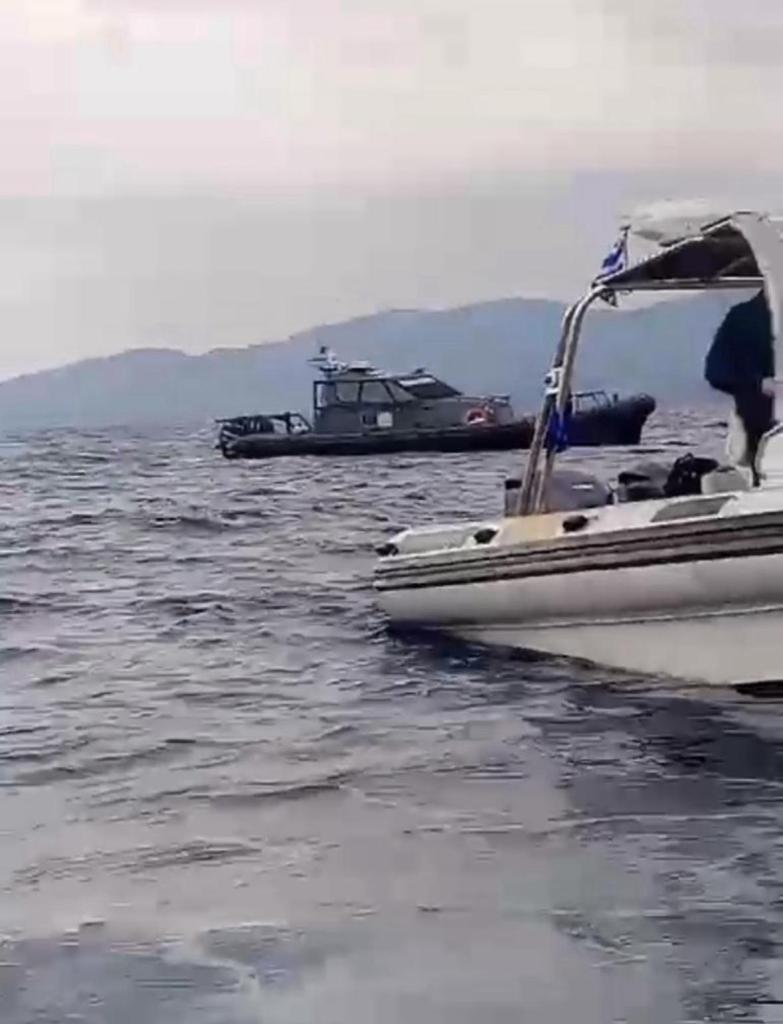
Over the last month we ( Aegean Boat Report) have registered a shift in routes used by people seeking international protection in the Aegean Sea.
Normally, people crossing from Turkey towards the Greek islands have had Lesvos, Chios, Samos and Kos as their main destination. Now, smaller islands seem to get more arrivals.
Why this is happening now could have severe explanations, but we believe more focus and surveillance by Greek authorities and the European Border and Coast Guard Agency Frontex, around the bigger islands is the main reason.
This, together with a more active approach by the Turkish authorities to actually try to stop boats from crossing into Greek waters, and the fact that they are moving Afghans away from coastal areas in the North Aegean, has drastically reduced crossings.
We are now in almost daily contact with people arriving on islands like Ikaria, Fournoi, Patmos, Leipsoi, Nisyros, Tilos, Pserimos and Kalimnos, previously this was the exception, now it’s starting to move towards the rule.
This might seem like a strange change, since people arriving on the main islands don’t face the risk of being pushed back as they previously did. The “hunt” for new arrivals by masked men suddenly stopped after the Pylos shipwreck, and as far as we have been able to document, all arrivals on these main islands, are now taken to camps and given the opportunity to apply for international protection.
But this is many times not the case on these smaller islands: especially the less populated ones. So why would people take the chance of going there, if the risk of being pushed back is higher?
The problem isn’t that they fear being pushed back after they arrive on a Greek island, they fear more being pushed back at sea before they arrive. The risk of being pushed back from smaller islands, especially deserted ones, is a genuine risk that we have documented, but it seems they are willing to take this risk, because the risk of being pushed back at sea around the main islands is much higher.
On and around the main islands the surveillance has drastically increased over the last years, more eyes are watching the sea area, not only those of Greek authorities, but also of Frontex, from land, air and sea. The chance of getting across the sea border in these areas was previously very low. Now, after Turkish authorities have intensified their efforts to stop boats in these areas, it’s almost impossible to get across undetected. The chance of getting across in these main areas has gone from 70% to under 30% in just a month. We believe this is no coincidence, and is suspected to be firmly linked to a deal made between Greece and Turkey, supported by the EU Commission. What Turkey has been offered is so far unknown, but it’s highly unlikely that Turkey would settle for nickels and dimes.
To understand this shift in movement, you need to have some understanding of how smugglers operate in Turkey. It’s not as if the people in the boats have much say in the decision on whether they are sent towards a big island or a small one: they basically do as they are told and hope for the best.
Smugglers only get paid if they successfully manage to get their “product” transported from point A to point B. If for some reason the transport is stopped and returned, the smugglers don’t receive payment, and are given a new opportunity to successfully deliver their services. If they are unsuccessful several times, the customer can take their money to another smuggler, leaving the previous smuggler with the costs of boats, engines, petrol etc. without getting paid. This is of course not good for business, and if too many obstacles are hindering their work, they change strategy. This is what we believe has happened.
Crossing attempts in the Aegean Sea the last month has gone down by more than 50%, from 246 cases in February, to 119 in March. We normally would have expected that pushback cases, and especially cases where people are pushed back in life rafts, would follow a similar pattern. On the contrary, despite the fact that crossing attempts have gone down by more than 50%, cases in which people have been forced into life rafts and left helplessly drifting in the Aegean Sea have not decreased, but instead increased 8% compared to February.
It’s a worrying development worth noting. It’s that smugglers in Turkey are now targeting these smaller islands as their transport destinations, not out of the kindness of their hearts and a genuine concern for their customers wellbeing, but out of necessity to make money off the back of vulnerable people, whose routes towards safety in Europe have been firmly closed by European authorities.
People are now arriving on islands which are not equipped or prepared to handle increased arrivals, nor have the necessary infrastructure and resources to quickly initiate rescue operations, if boats are in distress.
None of the main humanitarian organizations have staff on these smaller islands. There is basically no ground support in place to support them with shelter, food, clothes and medical attention. Also, the routes towards these islands are longer: any crossing in a rubber boat towards any island is very dangerous, and the more time people must stay in these fragile boats, the higher the risk of something going terribly wrong.
We fear – in fact, we are certain – that more lives will be unnecessarily lost if smugglers continue to use these longer routes.
The only solution to this problem, and the only way to put smugglers in Turkey out of business, is not to put in place more obstacles, but to open legal safe pathways into Europe for people seeking international protection.
The smuggling industry in Turkey making billions from people’s suffering, is a product of our time, it was not created in a vacuum. Smugglers have existed as long as people and states have tried to hinder the movement of goods and people: for better or for worse, they are serving a purpose, responding to and providing for, a demand in the market, not from kindness, but necessity. Any market is driven by a very simple principle, supply and demand, one will not exist without the other. We can in this case ask who or what created the demand, and the answer isn’t rocket science.
When we put up walls and fences, we at the same time create an opportunity for people to make money. We might try to say “we are not responsible”, and directly this is in many cases true, but indirectly we are very much responsible: anyone denying this fact is delusional.
Throughout history people have, for various reasons, wandered this Earth, and over time moved from one area to the next, following mainly resources and climate change.
Nothing has changed, people are still in need of finding new places to live, mostly out of necessity, as a result of war and climate change, but now we have put up fences and walls to try to hinder people from finding safety, with the excuse of self-preservation and protection.
In the short term, it might seem to be “working”, but in the long run nothing can stop people from moving. If determined or desperate enough, they will always find a way, a more dangerous and deadly way, but in the end it will not matter, because they have no other alternative if they want to live.
It is well beyond time that the Greek government, and all governments, including the EU, recognised this.
Not only are the policies of ‘deterrence’ incredibly expensive, they are absolutely failing. Of course they are: by increasing the risk and reality of mass death on the sea, they are efforts to force the entire flow of human history to change.
They are doomed to always fail. For the good of our moral health, for the good of our economic health, and for the welfare of men, women and children like ourselves, we have to change.
In place of our litany of failure, at the cost of tens of thousands of deaths, we must set up safe routes, in affordable or free transport, for those who need it, to save lives, save enormous amounts of money, and put smugglers out of business.






News Extra
Jeff Crisp s’interroge sur la participation de l’OIM au programme américain d’expulsions vers des pays tiers
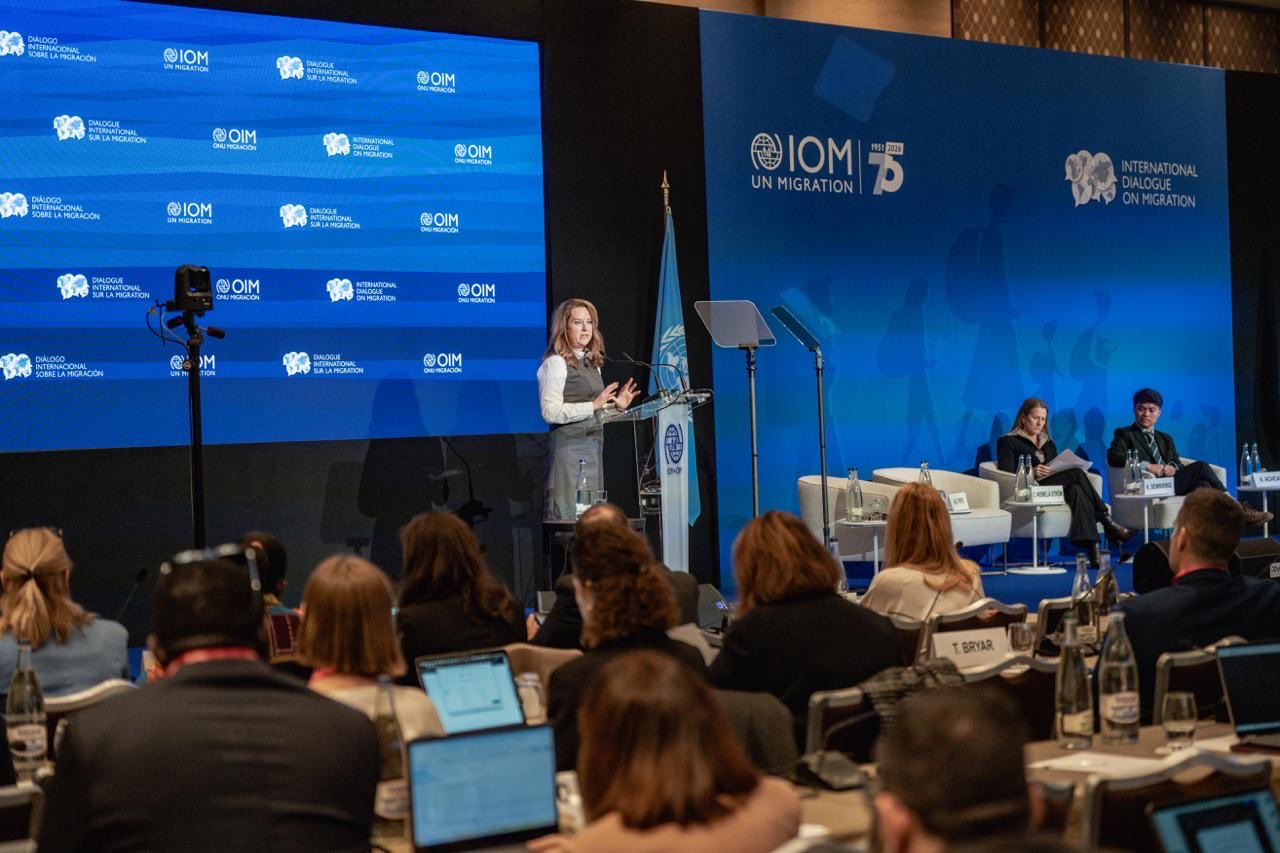
L’expert en migration Jeff Crisp a remis en question la décision de l’Organisation internationale pour les migrations (OIM) de participer à la mise en œuvre d’un programme des États-Unis prévoyant l’expulsion de migrants vers des pays tiers.
Jeff Crisp a également exprimé ses préoccupations concernant ce qu’il a qualifié de programme de relocalisation à caractère racial visant les Sud-Africains blancs.
Dans une publication sur X, le 2 novembre, Crisp a déclaré qu’il cherchait à obtenir des éclaircissements sur la participation de l’OIM à ces deux programmes.
« J’essaie de comprendre la décision de l’OIM de participer à la mise en œuvre du programme américain d’expulsions vers des pays tiers, ainsi que de son programme de relocalisation à caractère racial destiné aux Sud-Africains blancs », a-t-il écrit.
Ses commentaires faisaient suite à une publication de la directrice générale de l’OIM, Amy Pope, qui évoquait l’importance de renforcer la confiance du public dans la gouvernance des migrations.
Dans son message, Amy Pope a déclaré que la confiance dans la gestion des migrations ne pouvait être instaurée uniquement à travers des faits et des chiffres. Elle a souligné la nécessité de garantir la transparence, la participation du public et la responsabilité dans les processus décisionnels des institutions.
« La confiance dans les migrations ne se construit pas uniquement à partir de faits et de chiffres. Elle se construit lorsque les populations comprennent les décisions, peuvent contribuer à leur élaboration et constatent que les institutions respectent leurs engagements », a-t-elle écrit.
Amy Pope a ajouté que ces questions étaient au cœur des discussions lors du Dialogue international sur les migrations 2026 (#IDM2026), qui se tient à Genève.
La réaction de Crisp soulève des interrogations sur le rôle de l’OIM dans la mise en œuvre des politiques migratoires et des dispositifs d’expulsion promus par le gouvernement américain.
News Extra
Alarm Phone signale des appels de détresse de migrants au large de la Crète et le sauvetage de 53 personnes
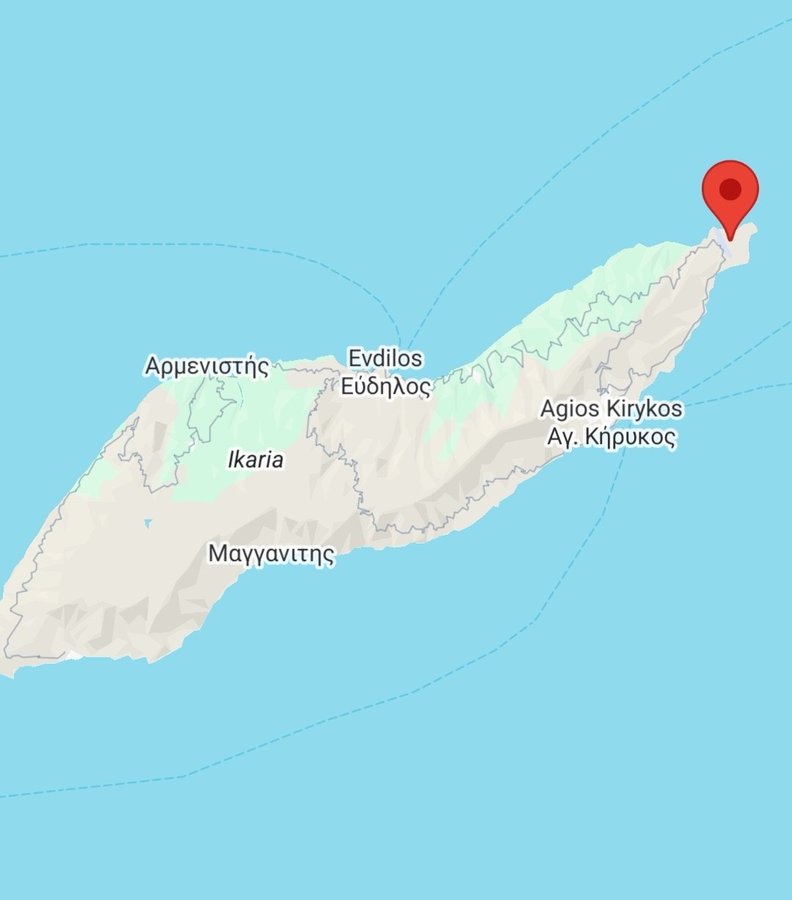
L’organisation humanitaire Alarm Phone a fait état de plusieurs appels de détresse provenant de trois groupes de migrants qui tentaient de rejoindre la Grèce, dont 75 personnes bloquées en mer agitée au sud de la Crète.
Dans une série de publications sur X, l’organisation a indiqué que le groupe de 75 personnes se trouvait dans une situation de grande détresse, de l’eau s’infiltrant dans leur embarcation alors qu’elle dérivait au milieu de fortes vagues.
Alarm Phone a précisé que les migrants étaient pris de panique et a appelé les garde-côtes grecs à poursuivre les recherches, après que les autorités auraient déclaré ne pas avoir réussi à localiser l’embarcation, malgré la transmission de coordonnées actualisées.
Dans un autre incident signalé le 1er novembre, l’organisation a indiqué avoir reçu un appel de détresse de 53 personnes bloquées au sud de la Crète.
Selon Alarm Phone, elle avait alerté les garde-côtes grecs la veille au soir et avait été informée qu’une opération de recherche était en cours.
Le groupe aurait été privé de nourriture et d’eau potable dans l’attente des secours.
Cependant, l’organisation a indiqué par la suite que des proches des migrants l’avaient informée du sauvetage du groupe. Les garde-côtes grecs ont également confirmé avoir secouru une embarcation dans la zone.
Alarm Phone s’est réjouie de ce sauvetage, exprimant l’espoir que toutes les personnes à bord étaient saines et sauves.
Dans un autre incident, l’organisation a signalé qu’environ 71 migrants, dont deux femmes enceintes et des enfants, avaient atteint l’île grecque d’Ikaria après l’avoir contactée alors qu’ils étaient encore en mer.
Le groupe aurait sollicité une assistance médicale urgente, Alarm Phone avertissant que plusieurs personnes vulnérables parmi les migrants nécessitaient une prise en charge immédiate.
L’organisation a ensuite indiqué avoir rétabli le contact avec les migrants, qui ont confirmé se trouver dans un commissariat de police sur l’île.
Alarm Phone leur a souhaité beaucoup de courage et de bonne chance pour la suite de leur parcours.
Ces incidents mettent en évidence les risques persistants auxquels sont confrontés les migrants qui tentent de traverser la mer dans des conditions dangereuses pour rejoindre les pays européens, particulièrement lorsque les conditions météorologiques sont défavorables.
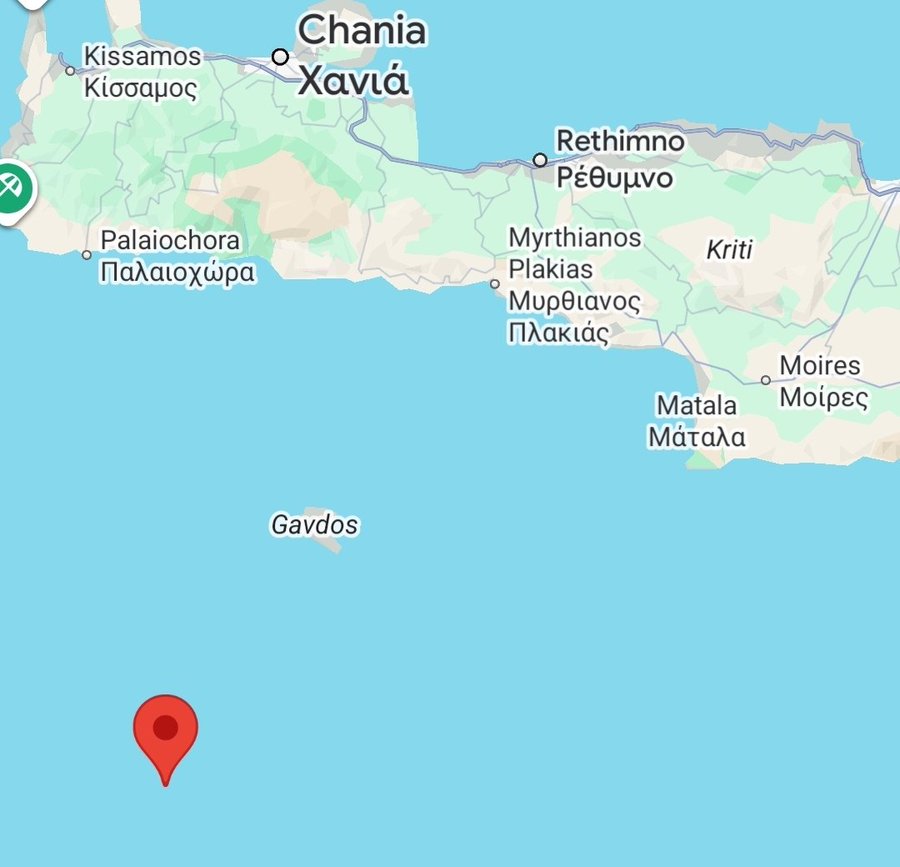
Humanitarian organisation Alarm Phone has reported receiving distress calls from three groups of migrants attempting to reach Greece, including 75 people stranded in rough seas south of Crete.
In a series of posts on X, the organisation said the group of 75 people was in severe distress, with water entering their boat as they drifted amid high waves.
Alarm Phone said the migrants were panicking and appealed to the Greek Coast Guard to continue searching for them after authorities reportedly said they had been unable to locate the boat, despite receiving updated coordinates.
In a separate incident reported on November 1, the organisation said it had received a distress call from 53 people stranded south of Crete.
According to Alarm Phone, it alerted the Greek Coast Guard the previous night and was informed that a search operation was underway.
The group was reportedly without food and drinking water while awaiting rescue.
However, the organisation later said relatives of the migrants informed it that the group had been rescued. The Greek Coast Guard also confirmed that it had rescued a boat in the area.
Alarm Phone expressed relief over the rescue and hoped that all those on board were safe.
In another incident, the organisation reported that approximately 71 migrants, including two pregnant women and children, had reached the Greek island of Ikaria after initially contacting it while still at sea.
The group reportedly requested urgent medical assistance, with Alarm Phone warning that several vulnerable people among them required immediate attention.
The organisation later said it had re-established contact with the migrants, who confirmed that they were at a police station on the island.
Alarm Phone wished them strength and good luck for the remainder of their journey.
The incidents highlight the continuing risks faced by migrants attempting dangerous sea crossings to reach European countries, particularly during periods of rough weather.

Niger : des réfugiés poursuivent leur manifestation devant le centre du HCR à Agadez

Refugees continue protest at UNHCR centre in Niger’s Agadez

Jeff Crisp s’interroge sur la participation de l’OIM au programme américain d’expulsions vers des pays tiers

Jeff Crisp questions IOM’s involvement in US third-country deportation programme

Alarm Phone signale des appels de détresse de migrants au large de la Crète et le sauvetage de 53 personnes
-

 News Extra1 week ago
IOM’s Displacement Tracking Matrix monitors 97.2 million people in 2025
-
 News1 week ago
Libya repatriates hundreds of migrants, deploys reinforcements to Tobruk
-
News1 week ago
Libye : des centaines de migrants rapatriés, des renforts déployés à Tobrouk
-
 News1 week ago
Ebola:DRC confirms 10,000 cases, NRC seeks scale-up
-
 News Extra1 week ago
La Matrice de suivi des déplacements de l’OIM a suivi 97,2 millions de personnes en 2025
-
 News Extra4 days ago
SOS Humanity accuses Frontex of aiding migrant pushbacks to Libya
-

 Features1 week ago
League of Arab States, IOM launch Arab Migration Data Network
-
 News1 week ago
Ebola : la RDC confirme 10 000 cas, le NRC appelle à un renforcement urgent de la réponse