
News
Norway’s proposed aid budget falls short of 1% target, NRC says

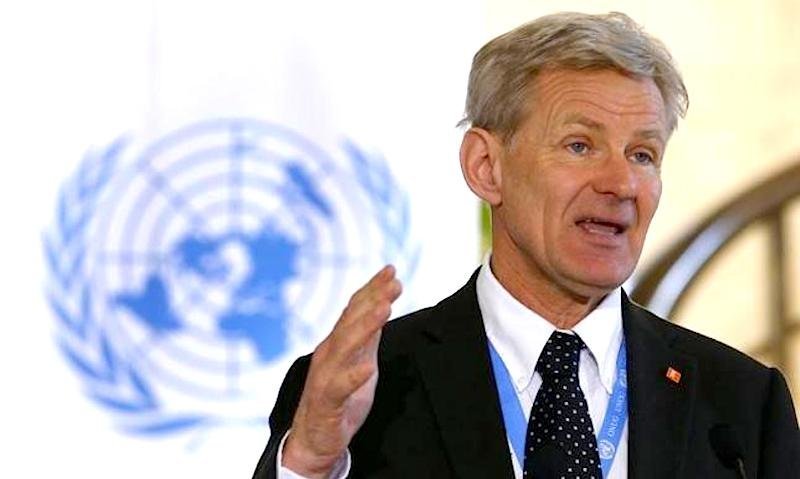
The Norwegian government’s proposed 2027 state budget does not allocate 1% of the country’s gross national income to international aid, despite rising revenues and record humanitarian needs, the Norwegian Refugee Council (NRC) said.
NRC Secretary General Jan Egeland called the proposal “surprising and disappointing,” warning that it sends the wrong signal as other major donors cut aid.
Egeland said global reductions in humanitarian funding were leaving millions of people displaced by conflict without adequate shelter, while food assistance and access to education were being reduced.
Norway had maintained its aid contributions over the past two years as other major donors announced cuts, he said. Given the country’s growing wealth and humanitarian tradition, Norway should continue supporting people in need, Egeland added.
The NRC urged Norway’s parliament to revise the budget to bring aid spending up to 1% of gross national income and prioritise emergency assistance.



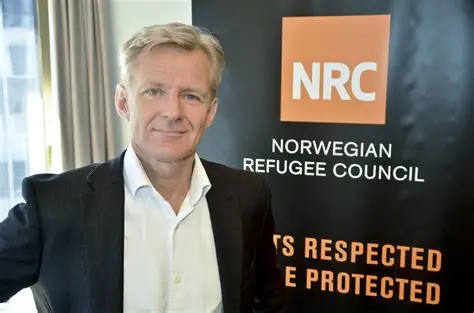
Le projet de budget de l’État norvégien pour 2027 ne prévoit pas d’affecter 1 % du revenu national brut du pays à l’aide internationale, malgré la hausse des recettes et des besoins humanitaires sans précédent, a déclaré le Conseil norvégien pour les réfugiés (NRC).
Le secrétaire général du NRC, Jan Egeland, a qualifié cette proposition de « surprenante et décevante », avertissant qu’elle envoie un mauvais signal alors que d’autres grands donateurs réduisent leur aide.
Selon M. Egeland, les réductions des financements humanitaires à l’échelle mondiale privent des millions de personnes déplacées par les conflits d’un abri adéquat, tandis que l’aide alimentaire et l’accès à l’éducation sont réduits.
La Norvège a maintenu ses contributions à l’aide au cours des deux dernières années, alors que d’autres grands donateurs annonçaient des coupes, a-t-il indiqué. Compte tenu de la richesse croissante du pays et de sa tradition humanitaire, la Norvège devrait continuer à soutenir les personnes dans le besoin, a ajouté M. Egeland.
Le NRC a appelé le Parlement norvégien à réviser le budget afin de porter les dépenses d’aide à 1 % du revenu national brut et de donner la priorité à l’aide d’urgence.
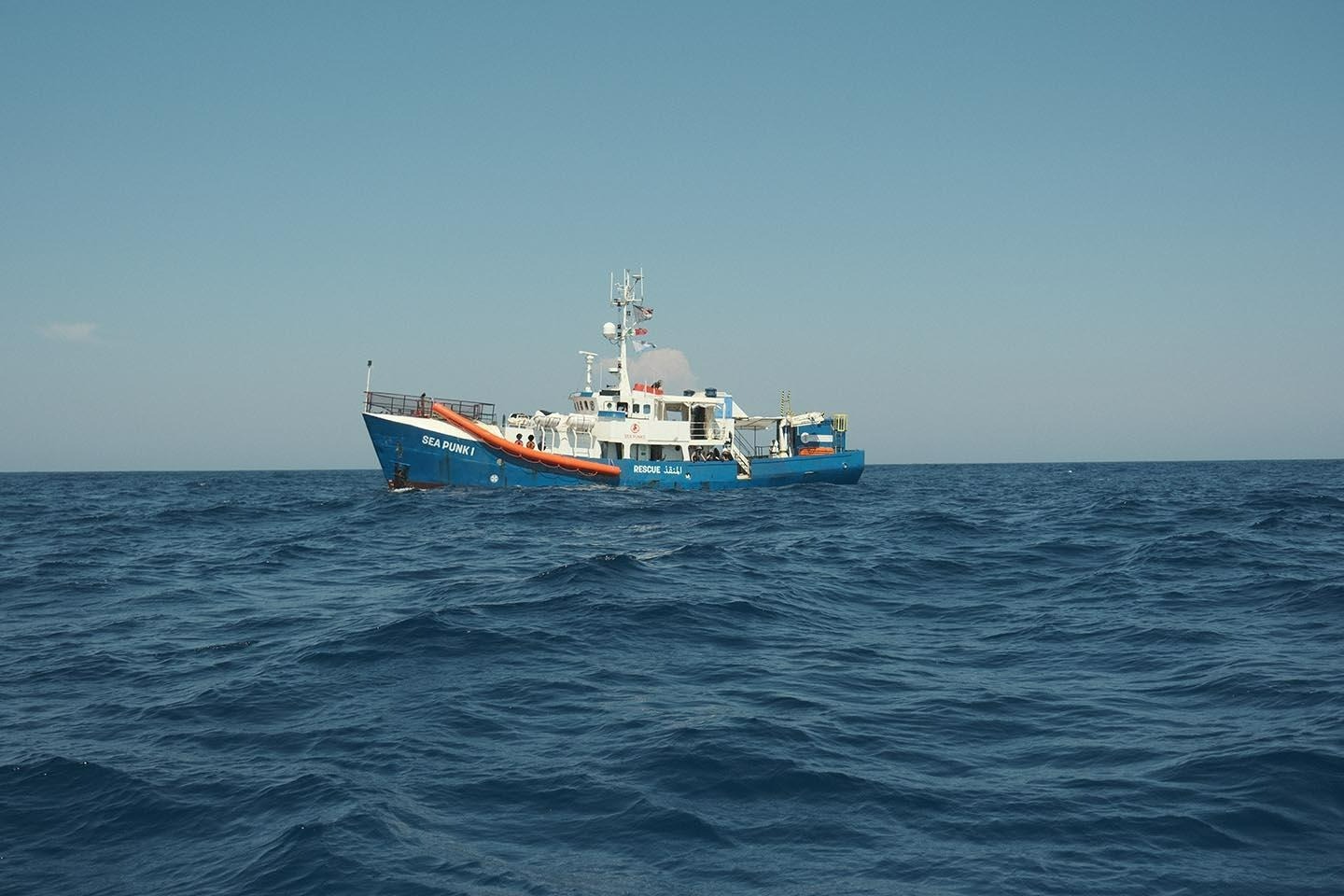
Italian authorities have detained the search-and-rescue vessel *Sea Punk I* for 15 days and imposed a €7,500 fine following the rescue of 20 people in international waters.
The rescue took place on Thursday, 10 September 2026, near the Bouri oil platform. The vessel’s crew said the operation was conducted in coordination with Italian authorities and in line with applicable conventions and international regulations.
Authorities cited the so-called Piantedosi Decree and accused the captain of failing to follow instructions from the so-called Libyan Coast Guard. The *Sea Punk I* is an alliance partner of the Justice Fleet, a coalition of civil search-and-rescue organisations and supporters.
The Justice Fleet said the detention brings the total number of days its vessels have been blocked by Italian authorities to more than 310 since the alliance was founded in November 2025. The *Sea Punk I* is the 11th Justice Fleet vessel to be detained.
Civil search-and-rescue organisations have documented almost 80 incidents of extreme violence by Libyan militias since 2016, most attributed to the so-called Libyan Coast Guard, according to the Justice Fleet. The group also says more than 27,000 people fleeing Libya were forcibly returned there last year, in violation of international law. It said refugees and migrants in the country face rising violence and death threats.
“While extreme violence against people on the move is currently unfolding in Libya, the Italian authorities want to force us to cooperate with the so-called Libyan Coast Guard. Not with us!” said Justice Fleet spokesperson Giulia Messmer, calling for an end to European cooperation with the force.
The Justice Fleet was founded in November 2025 by 13 search-and-rescue organisations, with support from civil society groups. It says its aims include challenging the detention of rescue vessels in Italy and opposing the outsourcing of migration control to Libyan actors.
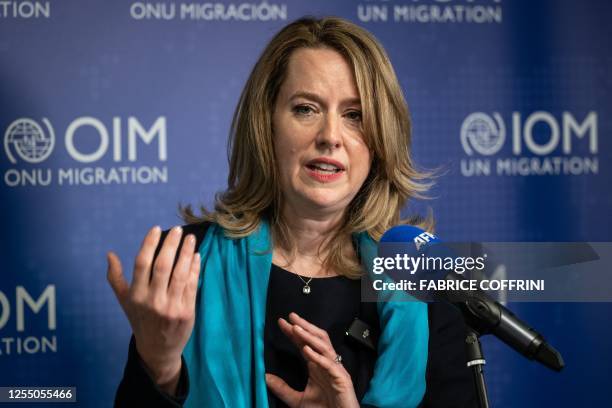
A new UN data show has shown that more than 20,000 of the 31,100 children who reached Europe along mixed migration routes last year arrived without a parent or guardian.
Director General of the International Organization for Migration (IOM) Amy Pope urged closer cooperation between European States and countries along the routes to protect children travelling alone and to counter the smuggling and criminal networks that prey on them.
The findings suggest that reduced opportunities for safe, protection-sensitive movement along these routes may be pushing young people towards riskier journeys, with greater reliance on smugglers and greater exposure to violence, exploitation and abuse.
“Children are making difficult and dangerous journeys without a parent or guardian by their side,” said Amy Pope, IOM Director General. “This report shows how exposed they are to violence and exploitation when safe pathways are limited, and they have to rely on smugglers. No child should have to face these risks alone. Our shared responsibility is to work across borders to protect them, uphold their rights, and provide the care and support they need.”
Overall child arrivals by sea and land in Bulgaria, Cyprus, Greece, Italy, Malta and Spain fell by 25 per cent compared with 2024. Of the children who arrived, 78 per cent were boys and 22 per cent were girls. But the share recorded as unaccompanied rose to 67 per cent, up from 51 per cent a year earlier. The highest proportions were in Italy and Spain, where 86 per cent of children arrived alone.
Italy ran against the downward trend. Overall arrivals there were stable, yet the number of children rose by 12 per cent to almost 14,100, most of them from Egypt, Eritrea, Somalia, Bangladesh and Ethiopia.
The journeys are dangerous. IOM interviewed more than 4,600 adolescents and young adults aged 15 to 24 along the Mediterranean, Western African Atlantic and Western Balkan routes. Nearly half of those asked about their experiences reported physical violence. On the Central Mediterranean route, 28 per cent said they had been held against their will, and 17 per cent said they had been forced to work. Libya remained the country most often cited as the place where abuse occurred.
Meanwhile, safe alternatives narrowed. Children made up half of the 6,800 people in refugee resettlement procedures to Europe in 2025: 3,400 children, compared with 8,900 a year earlier. Separately, only 199 children were relocated between European States under the Voluntary Solidarity Mechanism, down 67 per cent, and none of them was unaccompanied.
In total, 214,600 children sought international protection in Europe in 2025, 79 per cent of them first-time applicants. Around 71 per cent of first-time applications were lodged in just four countries: Germany (30 per cent), France (19 per cent), Spain (15 per cent) and Greece (7 per cent). Of 210,900 first-instance decisions on children’s claims, 56 per cent were positive, while rejections rose by 25 per cent.
IOM urges European Union Member States to put the best interests of the child at the centre of every decision, to guarantee timely access to services, and never to detain children for immigration purposes. Unaccompanied and separated children should have immediate access to legal representation. Age assessments should be rare, child-sensitive and open to appeal.

Le budget d’aide proposé par la Norvège n’atteint pas l’objectif de 1 %, selon le NRC

Norway’s proposed aid budget falls short of 1% target, NRC says

Global powers fuel war as civilians die under drones, barrel bombs

Les autorités italiennes immobilisent un navire de sauvetage après avoir secouru 20 personnes
Italian authorities detain rescue vessel after saving 20 lives
-

 Features2 weeks ago
Retour volontaire assisté, assistance post-arrivée et réintégration : le rôle de l’OIM expliqué
-
 News2 weeks ago
Yémen :21 573 ménages déplacés dans sept gouvernorats
-

 Features2 weeks ago
L’OIM explique son travail dans les pays qui accueillent des ressortissants de pays tiers
-
 News2 weeks ago
Ebola : Amy Pope appelle à un soutien urgent alors que la RDC fait face à la plus grande épidémie
-
 Features2 weeks ago
L’OIM aide plus de 81 000 migrants à retourner dans leur pays depuis 115 pays
-

 Features2 weeks ago
IOM explains work in countries receiving third-country nationals
-
 Features2 weeks ago
Assisted Voluntary Return, Post-Arrival Assistance, and Reintegration: IOM’s Role Explained
-
 News2 weeks ago
Un tribunal de Naples annule la détention de 45 jours du Sea-Watch 5