
News
Italian authorities detain rescue vessel after saving 20 lives

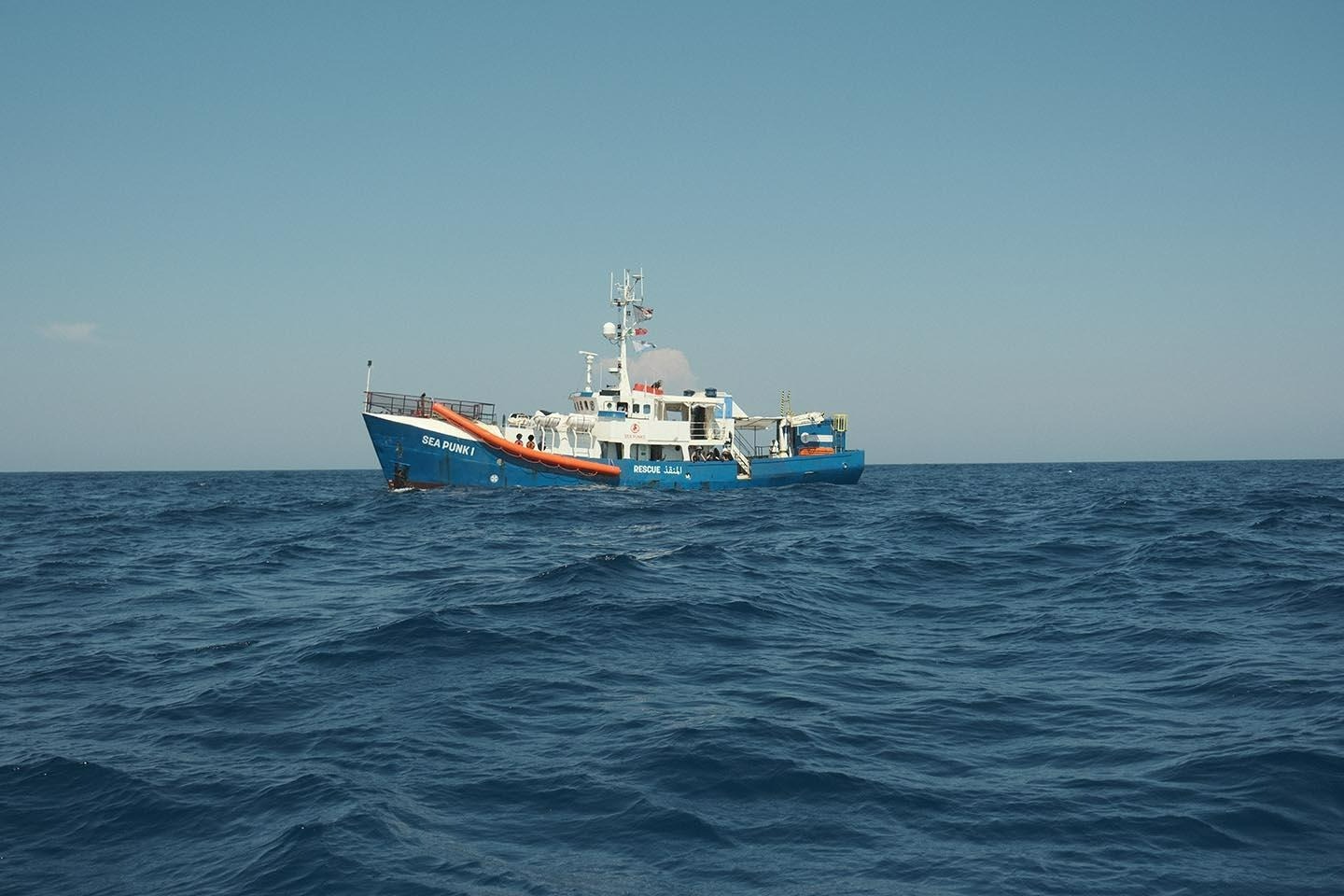
Italian authorities have detained the search-and-rescue vessel *Sea Punk I* for 15 days and imposed a €7,500 fine following the rescue of 20 people in international waters.
The rescue took place on Thursday, 10 September 2026, near the Bouri oil platform. The vessel’s crew said the operation was conducted in coordination with Italian authorities and in line with applicable conventions and international regulations.
Authorities cited the so-called Piantedosi Decree and accused the captain of failing to follow instructions from the so-called Libyan Coast Guard. The *Sea Punk I* is an alliance partner of the Justice Fleet, a coalition of civil search-and-rescue organisations and supporters.
The Justice Fleet said the detention brings the total number of days its vessels have been blocked by Italian authorities to more than 310 since the alliance was founded in November 2025. The *Sea Punk I* is the 11th Justice Fleet vessel to be detained.
Civil search-and-rescue organisations have documented almost 80 incidents of extreme violence by Libyan militias since 2016, most attributed to the so-called Libyan Coast Guard, according to the Justice Fleet. The group also says more than 27,000 people fleeing Libya were forcibly returned there last year, in violation of international law. It said refugees and migrants in the country face rising violence and death threats.
“While extreme violence against people on the move is currently unfolding in Libya, the Italian authorities want to force us to cooperate with the so-called Libyan Coast Guard. Not with us!” said Justice Fleet spokesperson Giulia Messmer, calling for an end to European cooperation with the force.
The Justice Fleet was founded in November 2025 by 13 search-and-rescue organisations, with support from civil society groups. It says its aims include challenging the detention of rescue vessels in Italy and opposing the outsourcing of migration control to Libyan actors.




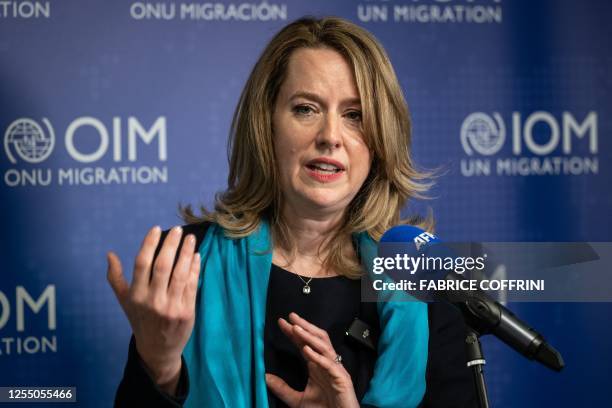
A new UN data show has shown that more than 20,000 of the 31,100 children who reached Europe along mixed migration routes last year arrived without a parent or guardian.
Director General of the International Organization for Migration (IOM) Amy Pope urged closer cooperation between European States and countries along the routes to protect children travelling alone and to counter the smuggling and criminal networks that prey on them.
The findings suggest that reduced opportunities for safe, protection-sensitive movement along these routes may be pushing young people towards riskier journeys, with greater reliance on smugglers and greater exposure to violence, exploitation and abuse.
“Children are making difficult and dangerous journeys without a parent or guardian by their side,” said Amy Pope, IOM Director General. “This report shows how exposed they are to violence and exploitation when safe pathways are limited, and they have to rely on smugglers. No child should have to face these risks alone. Our shared responsibility is to work across borders to protect them, uphold their rights, and provide the care and support they need.”
Overall child arrivals by sea and land in Bulgaria, Cyprus, Greece, Italy, Malta and Spain fell by 25 per cent compared with 2024. Of the children who arrived, 78 per cent were boys and 22 per cent were girls. But the share recorded as unaccompanied rose to 67 per cent, up from 51 per cent a year earlier. The highest proportions were in Italy and Spain, where 86 per cent of children arrived alone.
Italy ran against the downward trend. Overall arrivals there were stable, yet the number of children rose by 12 per cent to almost 14,100, most of them from Egypt, Eritrea, Somalia, Bangladesh and Ethiopia.
The journeys are dangerous. IOM interviewed more than 4,600 adolescents and young adults aged 15 to 24 along the Mediterranean, Western African Atlantic and Western Balkan routes. Nearly half of those asked about their experiences reported physical violence. On the Central Mediterranean route, 28 per cent said they had been held against their will, and 17 per cent said they had been forced to work. Libya remained the country most often cited as the place where abuse occurred.
Meanwhile, safe alternatives narrowed. Children made up half of the 6,800 people in refugee resettlement procedures to Europe in 2025: 3,400 children, compared with 8,900 a year earlier. Separately, only 199 children were relocated between European States under the Voluntary Solidarity Mechanism, down 67 per cent, and none of them was unaccompanied.
In total, 214,600 children sought international protection in Europe in 2025, 79 per cent of them first-time applicants. Around 71 per cent of first-time applications were lodged in just four countries: Germany (30 per cent), France (19 per cent), Spain (15 per cent) and Greece (7 per cent). Of 210,900 first-instance decisions on children’s claims, 56 per cent were positive, while rejections rose by 25 per cent.
IOM urges European Union Member States to put the best interests of the child at the centre of every decision, to guarantee timely access to services, and never to detain children for immigration purposes. Unaccompanied and separated children should have immediate access to legal representation. Age assessments should be rare, child-sensitive and open to appeal.
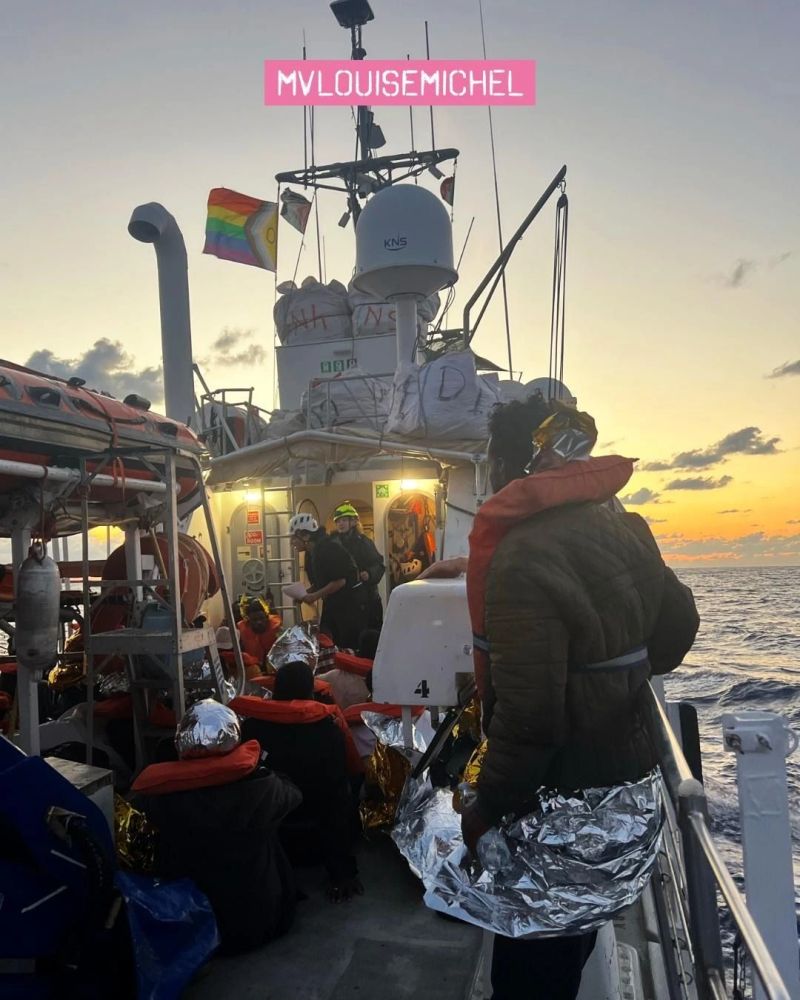
Trente-neuf personnes, dont sept femmes — parmi lesquelles une femme enceinte — et 13 enfants, ont été secourues en mer ce matin par l’équipage du M.V. Louise Michel, après qu’Alarm Phone a alerté le navire de la présence d’une embarcation pneumatique surchargée et impropre à la navigation en détresse.
Selon l’équipage, les personnes secourues voyageaient sans équipements de sauvetage adéquats, sans carburant ni nourriture. Certaines auraient souffert de brûlures causées par le carburant. Le groupe est désormais transporté vers Messine.
Ce sauvetage intervient alors que le suivi des opérations de contrôle migratoire en Libye fait état de centaines de personnes interceptées, arrêtées ou soumises à d’autres mesures dans le cadre d’opérations menées à travers le pays.
Entre le 2 et le 4 octobre, selon les informations disponibles, entre 312 et 342 personnes auraient été prises dans de telles opérations, bien que le nombre réel puisse être plus élevé.
Dans la région de Tobrouk, les rapports de suivi indiquent qu’environ 120 à 150 personnes ont été interceptées lors d’opérations terrestres. Dans les quartiers de Tajoura et d’Aïn Zara, à Tripoli, environ 85 personnes auraient été détenues lors de perquisitions menées dans des domiciles et sur des lieux de travail.
Au large de Zawiya, 62 personnes supplémentaires auraient été interceptées en mer et renvoyées en Libye, tandis qu’environ 45 autres auraient été arrêtées le long des routes de transit du sud, près de Koufra.
Ces chiffres illustrent les différentes étapes du contrôle migratoire auxquelles sont confrontées les personnes qui tentent de quitter la Libye : interception à terre, détention, interception en mer et, dans certains cas, expulsion ou retour forcé.
Dans le même temps, les organisations civiles de recherche et de sauvetage opérant en Méditerranée continuent de faire l’objet d’enquêtes, de mesures administratives visant leurs navires, d’amendes et de critiques politiques concernant leurs activités.
Ce contraste a suscité des critiques de la part des organisations de sauvetage, qui affirment que les groupes humanitaires sont soumis à des restrictions croissantes, tandis que les acteurs libyens chargés de la sécurité et des interceptions continuent de bénéficier de la coopération, de la formation, de l’équipement et du financement européens dans le cadre d’efforts présentés comme relevant de la « gestion des migrations ».
La question est devenue un élément controversé de la politique migratoire européenne, certains défenseurs des droits des migrants s’interrogeant sur le fait de savoir si les mesures visant à empêcher les migrations irrégulières contribuent à la détention et au retour forcé de personnes qui tentent de rejoindre un lieu sûr.
Pour les 39 personnes secourues par le Louise Michel, le voyage se poursuit en direction de l’Italie. Pour les centaines d’autres personnes qui auraient été interceptées à travers la Libye ces derniers jours, l’issue a été la détention, le renvoi ou l’éloignement des routes migratoires.
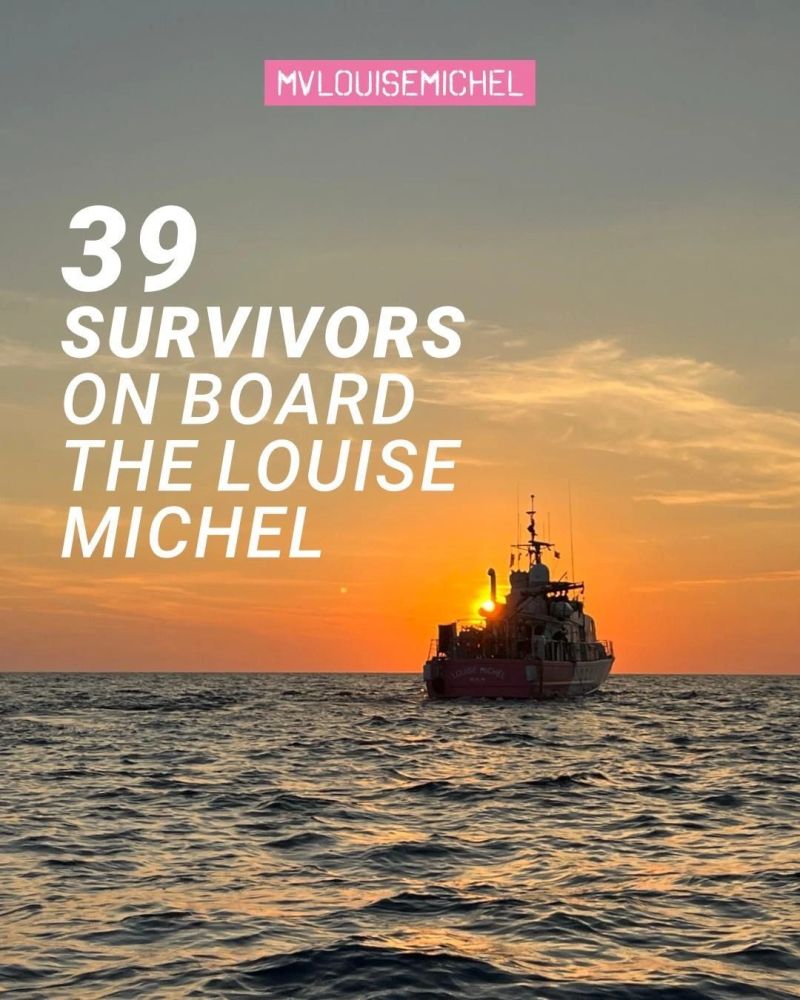
Thirty-nine people, including seven women—one of them pregnant—and 13 children, were rescued at sea this morning by the crew of the M.V. Louise Michel after Alarm Phone alerted the vessel to an overcrowded and unseaworthy rubber boat in distress.
According to the crew, those rescued had been traveling without adequate life-saving equipment, fuel or food. Some were reportedly suffering from fuel burns. The group is now being transported toward Messina.
The rescue comes as monitoring of migration-enforcement operations in Libya points to hundreds of people being intercepted, arrested or otherwise processed in operations across the country.
Between October 2 and 4, an estimated 312 to 342 people were reportedly caught up in such operations, although the actual number could be higher.
Around Tobruk, monitoring reports indicate that approximately 120 to 150 people were intercepted during land operations. In Tripoli’s Tajoura and Ain Zara areas, around 85 people were reportedly detained during house and workplace raids.
Off the coast of Zawiya, a further 62 people were reportedly intercepted at sea and returned to Libya, while around 45 others were reported to have been caught along southern transit routes near Kufra.
The figures illustrate the different stages of migration enforcement faced by people attempting to leave Libya: interception on land, detention, interception at sea and, in some cases, deportation or forced return.
At the same time, civilian search-and-rescue organisations operating in the Mediterranean continue to face investigations, administrative measures against their vessels, fines and political criticism over their activities.
The contrast has prompted criticism from rescue organisations, which argue that humanitarian groups face increasing restrictions while Libyan security and interception actors continue to receive European cooperation, training, equipment and funding as part of efforts described as “migration management.”
The issue has become a contentious part of Europe’s migration policy, with advocates questioning whether measures intended to prevent irregular migration are contributing to the detention and forced return of people who are attempting to reach safety.
For the 39 people rescued by the Louise Michel, the journey has continued toward Italy. For hundreds of others reportedly intercepted across Libya in recent days, the outcome has been detention, return or removal from migration routes.

Global powers fuel war as civilians die under drones, barrel bombs

Les autorités italiennes immobilisent un navire de sauvetage après avoir secouru 20 personnes
Italian authorities detain rescue vessel after saving 20 lives

20 000 enfants arrivent en Europe sans parent ni tuteur

20,000 children reach Europe without parent, guardian
-

 Features2 weeks ago
Retour volontaire assisté, assistance post-arrivée et réintégration : le rôle de l’OIM expliqué
-
 News2 weeks ago
Yémen :21 573 ménages déplacés dans sept gouvernorats
-

 Features2 weeks ago
L’OIM explique son travail dans les pays qui accueillent des ressortissants de pays tiers
-

 Features2 weeks ago
IOM explains work in countries receiving third-country nationals
-
 News2 weeks ago
Ebola : Amy Pope appelle à un soutien urgent alors que la RDC fait face à la plus grande épidémie
-
 Features2 weeks ago
L’OIM aide plus de 81 000 migrants à retourner dans leur pays depuis 115 pays
-
 Features2 weeks ago
Assisted Voluntary Return, Post-Arrival Assistance, and Reintegration: IOM’s Role Explained
-
 News2 weeks ago
Un tribunal de Naples annule la détention de 45 jours du Sea-Watch 5