
Features
Fortress Europe sets up Africans to dehumanise their own as Nigerian migrants relive ordeals

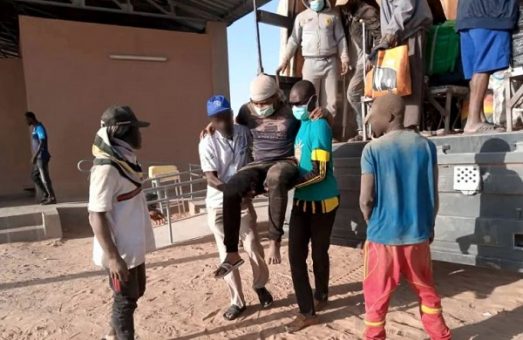
Discussions around EU’s border externalization policy partly featured at the 2025 National Migration Dialogue activities in commemoration of the International Migrants Day in Abuja, Nigeria. Unfortunately, some of the victimised migrants left the December 18 National Migration Dialogue more depressed as their perspective was absolutely ignored. The event centred on rhetorics and not on the victims’ perspective. voiceforafricanmigrants.org digs into the victims experiences.
Goodluck, a 30-year-old, was full of life when left Nigeria for Libya recently.
He travelled with full hopes of returning to the country better off than he left. Unfortunately, he came back worse off with a broken leg and damaged hand that reduced him to a vegetable.
Prior to his trip to Libya, Goodluck had travelled to Germany in 2016 but got deported six years later. “I was into vocational studies in Germany. On the second to the last day of my exam, their police picked me and took me straight to the Munich Airport back to Nigeria,” Goodluck said, decrying the sad reality he faced on his return.
As an orphan, Goodluck said he nowhere to go to than the house of his married brother who also had huge responsibilities hanging on his neck.
His words: “It was not easy coping. I suffered too much depression. I was admitted three times at the hospital. My BP rose very high at one point. On one occasion I collapsed and was rushed to the hospital. I was thinking too much because the situation was too unbearable for me. I could not cope because I didn’t even know where to start from. As a barber, I tried doing something here under somebody but the more I tried, the more everything pointed to hopelessness.”
In other climes, people like Goodluck are given some psycho-social support to help them shrug off the trauma they had suffered and gradually reintegrated back into the society. But that is not the case here. Deportees are rather mocked and treated with disdain for being failures in their journey abroad.
The Nigerian economy worsened lately with the removal of fuel subsidy by the present government. Over 60 foreign and multinational companies, have either fully exited or significantly scaled back their operations in Nigeria since 2020 due to challenging economic conditions. This has left to drastic loss of jobs and drop in standard of living for many citizens. Crime and other anti-social activities have skyrocketed, leaving the people in a quandary. For returnees like Goodluck, the Nigerian environment is too inclement as it leaves no opportunity for the people.
Disenchanted with the distressing condition, Goodluck hit the road again and went to Algeria after getting some assistance from some of his friends.
From Algeria, he entered Libya and was doing a menial job.
After some time, Goodluck said: “I went to cross the Mediterranean Sea. We spent three days, on top of the sea.
We even missed our way as we were moving on top of the sea. The waves were too much and some people fell into the sea. We could not rescue them and continued the journey. We didn’t get any rescue for three days on the sea. Subsequently, Libyan Police came. They arrested and took us to the prison.”
Right from the prison, Goodluck reached out to his friends again. “They supported me financially to get bailed. After that I returned to doing menial work again.”
After his bail, Goodluck received a good news that his people had started “my visa processing, and that I should come back to Nigeria.”
Elated by the news, Goodluck decided to come back to Nigeria but it ended in woes for him.
“On my way back to Nigeria, I was arrested by the Libyan Police and was taken to prison. I tried to bail myself but they told me there’s no bail. So, I spent three months and two weeks in prison. Within that period, we tried to escape from the prison because I was seeing people dying every day in the prison. It’s like a normal thing for people to die every day in the prison.”
There in the prison, Goodluck said: “We were not eating good food. We were not even bathing because there was no soap.We couldn’t even brush. Each time they were bringing the food to us, they would first of all beat us before giving us the food. If they did not beat you, you wouldn’t eat. We were being tortured daily.”
Traumatised by the experience in the prison, Goodluck said: “One day, I saw people making plans to escape from the prison.
So, I decided to take the opportunity because I didn’t want to die there.
“When we made the move to escape, the police started shooting at us directly. Thanks to God, the bullet did not touch me, but many died. Unfortunately, when I jumped the fence, I broke my leg. Libyan police came and seeing that I broke my leg, they started beating me. They wanted to flog me with a pipe on my face but I blocked it with my hand. The hand got broken.
they took me back to the prison without any treatment.”
Goodluck heaved a sigh of relief when he heard that Nigerian officials were visiting the prison. He looked forward to getting treated and freed from the pains that had emasculated him. He said: “When the Nigerian embassy officials came, they saw my situation and told me there was nothing they could do for me and that I should just file for deportation. I had no choice, because I was already going back to my country before I was arrested. So,I registered for deportation.”
Goodluck said he remained in the prison for three months before the International Organisation for Migration came and returned him to Nigeria.
“IOM gave me an ATM card with over N300, 000 in it. I told them about my health condition but they said that was my personal problem. After buying a phone and paying for my transport to my state and paying for treatment, the money was exhausted. I am going for native treatment now. I am still too young not to be walking with my legs. People with both legs intact are complaining about life situation, now imagine someone like me in this condition.”
Goodluck’s experience in Libya is a direct result of the European Union’s border externalization policy.
The EU’s border externalization policy outsources stringent migration management and border control practices to African states to restrict people from migrating from their countries of origin to the EU.
Frey Lindsay,an investigative journalist with Statewatch told our correspondent that over the last decade, and “increasingly in recent years, the EU has funneled hundreds of millions of euros at least (by some counts over a billion euros) to countries in North Africa, including Libya, Tunisia and Morocco, under so-called ‘migration partnerships’. In most cases, these projects can best be seen as the EU paying authorities in those countries to act as its external border guards, emboldened to forcibly and often violently intercept and detain people attempting to seek shelter in Europe. The European Commission has largely turned a blind eye to the extreme violence, forced labour, kidnapping, detention, sexual violence, murder and other atrocities committed against African migrants that these funds are complicit in.”
Commenting on the EU policy, Nomzamo Malindisa of the University of Pretoria said in a post on EU Renew Blog Series, said “This has detrimental impacts on African states including on their sovereignty, the human rights of the migrants, and how Africa shows up within the global migration governance landscape. By handing the responsibility of restricting the movement of the people of Africa across African states, the continent bears the criticism of hindering progress on global migration governance and exacerbating the migration crisis along the Africa-EU pathway.”
She added that the “EU’s externalization policy undermines the national sovereignty of African states and negatively affects the continent’s agency within the context of the Africa-EU relationship. The national migration policies and priorities of African states that engage with the EU in this regard are overshadowed by European influence on local migration governance practices, incrementally reducing the states’ control of migratory activities within their own borders.”
Checks revealed that the decision to keep Goodluck and others like him in prison for three months after a visit by the Nigerian authorities is not unconnected with the EU policy which aims to leave indelible scars in the minds of the immigrants that will make them return home and narrate their ordeals to their people.
Also reliving his ordeal, Jerry, who shared the same prison with Goodluck said: “I was in a taxi going hospital for treatment of a discomfort in my stomach when the Libyan police arrested me. They pushed me into a cell and from there, they dumped me in the prison.”
Like Goodluck, Jerry said : “I saw hell in the prison. Many people died in the prison. They were always starving us. It’s five people to a plate of food. The food comes with serious beating. When they come to give the food, they would be shouting hamza , hamza meaning five five, five five. As they are saying that they would be flogging everybody with pipes. I sustained injury but I didn’t allow them to treat me there because if you go to hospital for headache, they will treat you for stomach pain. A friend suffered serious bleeding after getting such treatment.”
Also narrating his experience during the jail break attempt, Jerry said: “Police were shooting people when we tried to escape that night. We targeted the time they would bring food and outside. . They started shooting without breaking. I tried escaping and they caught me. They made me lie down and flogged me seriously and pushed me back inside the prison.”
When he came back to Nigeria with the assistance of IOM, Jerry said he was given an ATM with N400, 000. “It was that money that I used to treat myself. They told us that after three months they will call us for an interview. After three months, they invited us to Abeokuta in Ogun State and gave us one book on business idea and also trained us. We spent about a week in the hotel. They promised to give us some money later and asked us to drop our account details. Since then, I haven’t heard from them. I told them I am a furniture maker. They taught me how I can make money in my business and how I can relate very well with customers. They said IOM was going to surprise us. They have not given us any money since then.”

Nigerian migrants, others left to die in desert
In other North African countries like Tunisia, the EU border policy is carried with to the letters. People, including children, nursing and expectant mothers are dumped in hash conditions in the Algerian desert without water and food. It was learnt that many migrants die in the process of thirst and hunger.
Richie, 34, shared his brutal experience in the hands of the authorities.
Like Goodluck, Richie had traveled to Germany in 2018 for greener pastures but got deported in 2022.
“Life was very difficult for me when I came back. I was depressed,” he said.
With no support from anywhere, Richie found it difficult to move on. “At this point, it’s a very different lifestyle for me, you know. Living in an advanced country, all of a sudden, coming back to Nigeria with no means of survival. I have a sick mom that I have to take care of. My family was my responsibility when I was in Germany. I gave them money for medication, feeding and all those things. Following my deportation, they were now the ones feeding me. It wasn’t easy for them also. I didn’t even know my mom was taking loans from different meetings and all that to support me. I didn’t know how to fight it.”
Frustrated by the situation he found himself, Richie moved to return to Europe again.
“A friend who travelled to Europe from Morocco, and Tunisia, who advised me to hit the road again, but this time not through Libya, I should use Tunisia. From Tunisia, we tried to cross several times, but it was not successful because of the border control.”
On the fourth attempt, Richie said they were already on the sea for six hours when security operatives caught them.
“They deported all of us to the desert in Algeria and told us to find our way and not to come back to Tunisia again. We had nothing on us; no food, no water and no money. They just dumped us there in the desert.”
Unfortunately for Richie, he was no longer single at that point . He had had a child from a lady he met in the course of the journey.
“All of us, my woman, my baby and I were dumped in the desert,he said, adding: “We trekked for more than one week in the desert. We slept in the desert at night and in the morning, we continued trekking again.”
Whenever they lacked water or food, Richie and his wife would go out to the road and beg commuters for help. |
“Some of them will throw water to us. Some of them will stop and give us bread and juice. But they would not carry us in their vehicle. I think it’s the law their government gave them.”
Richie noted that the experience in Algeria was very terrible especially because of the sun.”You don’t have any shaded place to hide your head. Even if it’s raining, it has to rain on you.”
Continuing, he said: “There were so many other Africans inside the Algerian desert. When they deported us from Algeria to Niger, we were more than one million people. You see this long truck used to carry cows was more than 30 loaded with people. Each one of us sat chained with legs wide open. Another person sits in-between like that like that.People who didn’t want to face that deportation were jumping out while that vehicle was on high speed. When they fell down, they couldn’t get up again. Most of them broke their legs. They still captured them and put them inside the trucks and still deported them. They were doing that deportation from Algeria every three days.”
The long journey from Algeria terminated at Asamaka in Niger Republic. The place has been a dumping ground for migrants forcefully removed from Libya, Tunisia and other places. It’s a land of hardship and deprivation.
“Asamaka was another story entirely,” Richie said. “Because the IOM is there in Asamaka, we went there to register to get some aid and support.But the process was something else. Weather in Asamaka was very hot.I figured it was not okay for my baby because he was just being sick, vomiting and all those things.
“Tunisian police took our phone, took our money. So, when we got to Asamaka, we were not having phone. Then I said, okay, my wife and the baby should go home because of the sake of the baby. And I remained for a while. She left with the financial support we got from her people and my friends. I later got money and left too.”
Also recounting her ordeal, Richie’s wife said: “My husband and I met in Algeria. Arab men used to harass women. One was even telling me that I should sleep with him.
He showed me a knife and demonstrated that he was going to cut my neck.
“We stayed in Algeria for, I think, a week and a half not going out. We were just inside. We had a burger. He would come and check on us. Then we would give him money to buy food for us.”
After sometime in Algeria, she said they left for Tunisia by road.
Decrying the hostility of the Arabs, she said: “Tunisia and Algeria are the same thing.
Their people treated black people like trash. While I was in labour, we went to a hospital but no one attended to us. We were asked to go to another one with the pain I was feeling because we are blacks. I gave birth in a hospital but they didn’t give me normal treatment. They did not want us to stay with their people because we are blacks. They kept me where blacks were.”
Reliving her experience in the desert, she said: “It was hell walking inside the desert. My baby was just sucking only breast and I wasn’t eating well. It was God that said that, that baby is going to live. I was mostly eating debino (dates). Their people were giving us debino. That was what we were just feeding on. We fetched salty water from the farms to quench our thirst. It’s not clean. Rain was beating us, including my son in the desert. When it rains, we would be under the tree; nowhere to hide. It is the same when the sun shines. The weather was always dry and hot.”
Corroborating her husband, she said: “The Tunisian police used to steal from us. They stole our phone, and money. When we were in a boat to cross, they police arrested us, they collected the engine. They later collected our phone. They left us on the boat like on the sea. It was another boat that threw rope to us to pull us out. Before then I was scared because I was actually pregnant at that time. The trauma was too much. I don’t want to go through it again.”
Victims shut out of IMD
During the December International Migration Day celebration, Bright, a deportee, who attended the event with high hopes left a sad man. He told our correspondent how he was harassed and almost prevented from entering the venue.
“One of the officials rudely told me that the event was not meant for us. She said it was for important dignitaries like government officials and development partners. She went on to tell me that they would invite us to share our experience when there is an opportunity for such event.”
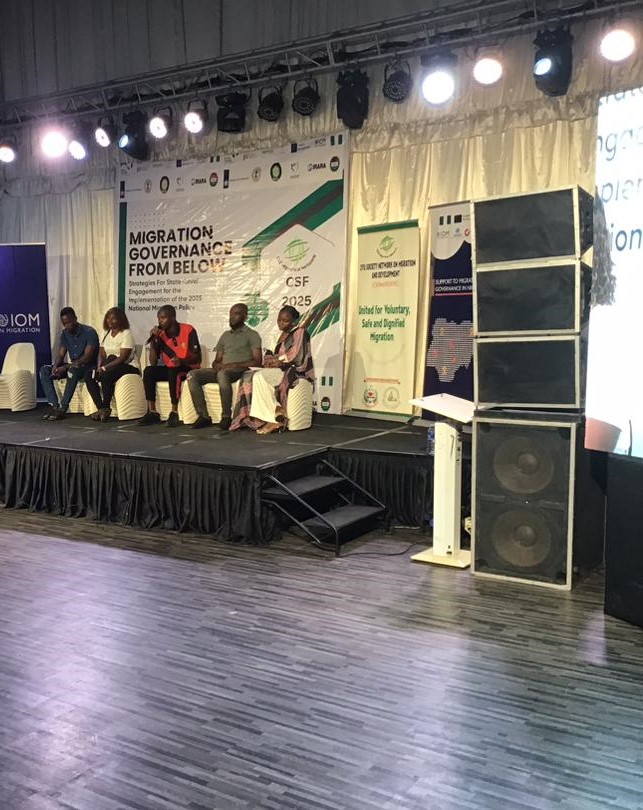
Ruffled by the remark, Bright lost his vivaciousness and wore a mournful look throughout the event meant to celebrate people like him.
When contacted, Rex Osa, who had mobilised and financed deported migrants from Rivers and Edo states to participate in Abuja CSF and National Migration Dialogue expressed disappointment in the NCFMRI, calling it a primitive act to have ignored the highly sensitive perspective of migrants in the event program. “In fact the so-called national dialogue was more of a loyalty show for international donors with arrogant display of their clusters of logo as more also an unmerited and uncalled for profiling of public office holders some of who should be held responsible for the problem that has continued to cause many young people to flee the country.”
International, local NGOs criticize EU policy
Numerous NGOs, including Doctors Without Borders (MSF), Human Rights Watch, Refugee Rights Europe, and local groups in North Africa, strongly criticize EU border externalization for its role in deadly journeys, pushbacks, human rights abuses in third countries (like Libya), and shifting crises to vulnerable nations, effectively outsourcing border control at the cost of human lives and dignity. They advocate for urgent review of agreements and accountability for officials involved in these harmful policies.
Criticisms of the border externalisation policies, primarily from human rights organizations and legal scholars, center on severe human rights violations, a lack of accountability and transparency, the empowerment of authoritarian regimes, and the overall ineffectiveness of the approach.
Human Rights Violations and Legal Concerns
Exposure to Abuses: Externalisation agreements with countries like Libya, Turkey, and Mauritania expose migrants and asylum seekers to systemic and severe human rights violations, including arbitrary detention, torture, sexual violence, forced labor, extortion, and trafficking by state authorities, militias, and armed groups.
Violation of Non-Refoulement: Policies often result in “pushbacks” and deportations without individual assessments, violating the international legal principle of non-refoulement, which prohibits returning individuals to countries where they would face persecution or danger.
Dangerous Routes and Deaths: By closing traditional routes, externalisation forces migrants to use more dangerous pathways, leading to an increase in deaths and disappearances in the Mediterranean Sea. The violence faced by migrants is seen not as an accident, but as a consequence of a system designed around deterrence.
Gendered and Racialized Violence: The policies disproportionately affect vulnerable groups, with evidence of increased risks of sexual violence and exploitation for women and girls, and a general “gendered racialization” that subjects certain groups to heightened violence.
Lack of Accountability and Transparency
Accountability Gaps: The “distance-creation” through externalisation makes it difficult to attribute legal responsibility for violations to the EU or its Member States, creating significant accountability deficits.
Informal Agreements: Many deals, such as the EU-Tunisia Memorandum of Understanding, are informal and non-binding, allowing them to bypass democratic scrutiny and legal safeguards, including the need for parliamentary consent.
Insufficient Monitoring: Critics point to a lack of independent monitoring mechanisms and human rights safeguards within these agreements, which contributes to the impunity of abusive practices.
Frontex Criticism: The EU’s border agency, Frontex, has been heavily criticized by organizations like Human Rights Watch for failing to safeguard people against human rights violations and for its alleged involvement in illegal pushbacks.
Political and Geopolitical Consequences
Empowering Autocratic Regimes: The EU has been criticized for financially backing and partnering with countries that have questionable human rights records or are led by undemocratic actors, which can entrench authoritarian governance and compromise the EU’s own stated values.
Instrumentalization and Blackmail: Partner countries have gained significant leverage, using the control of migration as a bargaining chip to extort more funds or political concessions from the EU, as seen with Turkey and Tunisia.
Undermining Long-Term Stability: The focus on short-term border control often comes at the cost of addressing the root causes of migration (such as poverty, conflict, and climate change) and can destabilize partner countries, potentially leading to further migratory pressures.
Ineffectiveness
Failure to Stop Migration: Despite the goal of reducing irregular migration, evidence suggests that externalisation policies often fail to produce sustainable solutions and can have counterproductive, unintended consequences, such as forcing migrants into the hands of more ruthless smuggling and trafficking networks.
Fueling Smuggling Networks: The restriction of legal pathways, without addressing the demand for migration, has inadvertently fueled the growth of sophisticated and violent human smuggling and trafficking industries.








Features
Gaza : Près de deux millions de personnes ont besoin d’une aide d’urgence en matière d’hébergement
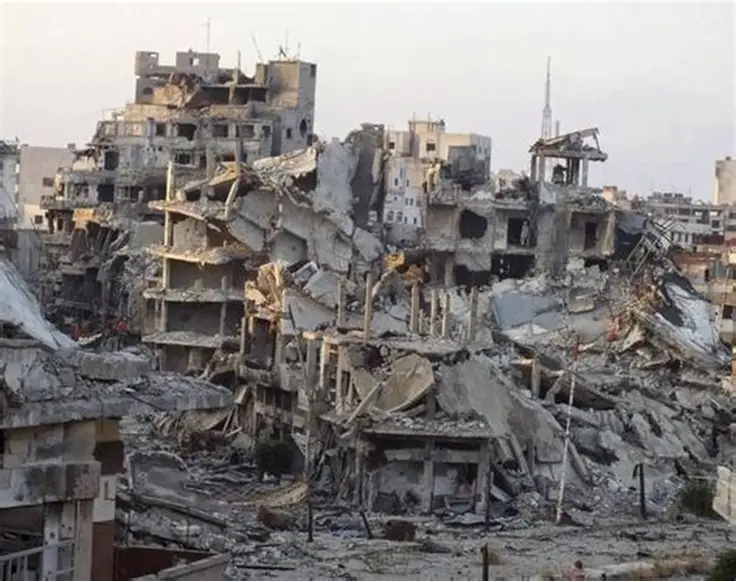
Près de deux millions de personnes, soit la quasi-totalité de la population de Gaza, ont toujours besoin d’une aide en matière d’hébergement, un an après l’annonce d’un cessez-le-feu. Alors que les pluies hivernales commencent, l’ensemble des approvisionnements prévus par les partenaires humanitaires intervenant dans le domaine de l’hébergement ne couvre qu’à peine 17 % des besoins identifiés pour l’hiver, a averti aujourd’hui Amy Pope, Directrice générale de l’Organisation internationale pour les migrations (OIM).
Après des années de déplacements et de destructions généralisées, les Palestiniens affrontent un quatrième hiver sans protection adéquate contre la pluie, les inondations et le froid. L’insuffisance des financements et les restrictions persistantes imposées par les autorités israéliennes à l’entrée de fournitures essentielles destinées aux abris empêchent les organisations humanitaires d’apporter une réponse à la hauteur des besoins.
« Les familles qui ont déjà subi des déplacements répétés et des pertes dévastatrices doivent pouvoir affronter l’hiver dans la sécurité et la dignité », a déclaré Pope. « Les matériaux destinés aux abris doivent pouvoir entrer rapidement, de manière prévisible et en quantités suffisantes pour répondre aux besoins. »
Plus de la moitié des tentes et des abris de fortune actuellement utilisés sont en mauvais état et doivent être remplacés. Les tentes sont conçues comme une mesure d’urgence temporaire et ne durent généralement que six à douze mois.
Faute d’autres solutions, de nombreuses familles vivent dans des bâtiments endommagés par la guerre qui présentent de graves risques pour leur vie. Le mois dernier seulement, des dizaines de personnes ont été tuées dans la ville de Gaza lorsqu’un bâtiment endommagé par la guerre s’est effondré. En août, un partenaire de l’OIM avait recensé plus de 3 600 structures jugées dangereuses et présentant un risque d’effondrement.
Le renforcement du phénomène El Niño devrait entraîner des précipitations plus abondantes, susceptibles de fragiliser davantage les bâtiments déjà dangereux, tandis que les systèmes de drainage fortement endommagés exposent les communautés aux inondations.
L’OIM et ses partenaires chargés de la gestion des sites ont recensé près de 1,8 million de personnes vivant dans des sites de déplacement, dont la plupart se trouvent dans des zones exposées aux risques d’inondation. Les eaux de crue pourraient endommager les abris, détruire les derniers biens des familles et contraindre les populations à se déplacer une nouvelle fois.
Environ 8 600 kits d’hébergement d’urgence de l’OIM sont prépositionnés à l’extérieur de Gaza et prêts à être acheminés, mais les autorités israéliennes continuent de leur refuser l’accès aux points de passage. Pendant ce temps, les équipes humanitaires utilisent, dans la mesure du possible, des matériaux disponibles localement et des matériaux récupérés. Ces efforts apportent un soutien temporaire limité, mais restent insuffisants pour répondre à l’ampleur des besoins en matière d’hébergement.
« Les solutions sont connues, les fournitures sont prêtes et les équipes humanitaires sont préparées à les acheminer », a déclaré Pope. « Un accès humanitaire immédiat et durable est essentiel pour protéger des vies, renforcer les abris endommagés et aider les familles à dépasser le stade des solutions temporaires. Toutes les parties doivent faciliter une action humanitaire fondée sur les principes humanitaires et soutenir une réponse à la hauteur de la gravité de la crise. »
L’OIM appelle à autoriser immédiatement et durablement l’entrée de tentes, de kits d’hébergement d’urgence, d’unités de logement de secours, de bois, d’outils et d’autres matériaux nécessaires pour renforcer les abris, réparer les habitations endommagées et aider les familles à trouver des logements plus sûrs.
Un accès prévisible aux équipements spécialisés, au carburant, aux pièces de rechange et aux matériaux de construction sera également essentiel pour permettre l’enlèvement des décombres et progresser vers un relèvement précoce.
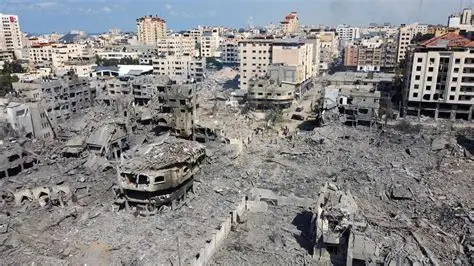
Nearly all of Gaza’s population, almost two million people, still require shelter assistance one year after a ceasefire was announced. As winter rain begins, the combined supply pipeline of humanitarian shelter partners covers barely 17 per cent of identified winter needs, the International Organization for Migration (IOM) Director General Amy Pope warned today.
After years of displacement and widespread destruction, Palestinians are facing a fourth winter without adequate protection from rain, flooding and cold. Insufficient funding and continuing Israeli authorities’ constraints on the entry of critical shelter supplies are preventing humanitarian organizations from responding at the scale required.
“Families who have already endured repeated displacement and devastating loss must be able to face the winter in safety and dignity,” Pope said. “Shelter materials must enter quickly, predictably and at the scale required.”
More than half of all tents and makeshift shelters currently in use are in poor condition that requires replacement. Tents are designed as a temporary emergency measure and generally last only six to 12 months.
With few alternatives available, many families are living in war-damaged buildings that pose serious risks to life. Just last month, dozens were killed in Gaza city when a war-damaged building collapsed. More than 3,600 structures were identified by an IOM partner in August as dangerous and at risk of collapse. The strengthening El Niño phenomenon is expected to bring heavier rainfall, which could further weaken unsafe buildings, while heavily damaged drainage systems leave communities exposed to flooding.
IOM and partners working in site management have identified nearly 1.8 million people living in displacement sites, most of them in areas at risk of flooding. Floodwaters could damage shelters, destroy families’ remaining possessions and force people to move once again.
Approximately 8,600 IOM emergency shelter kits are pre-positioned outside Gaza and ready for delivery but continue to be turned away at crossing points by the Israeli authorities. Meanwhile, humanitarian teams are using locally available and salvaged materials wherever possible. These efforts provide limited temporary support but are insufficient to meet widespread shelter needs.
“The solutions are known, the supplies are ready and humanitarian teams are prepared to deliver,” Pope said. “Immediate and sustained humanitarian access is essential to protect lives, strengthen damaged shelters, and help families move beyond temporary solutions. All parties must facilitate principled humanitarian action and support a response equal to the severity of the crisis.”
IOM calls for the immediate and sustained entry of tents, emergency shelter kits, relief housing units, wood, tools and other materials needed to reinforce shelters, repair damaged homes and support families seeking safer accommodation. Predictable access to specialized equipment, fuel, spare parts and construction materials will also be essential for debris removal and movement toward early recovery.
Features
Les immigrants Nigérians confrontés à des problèmes de santé mentale invisibles malgré leur réussite, alerte un expert
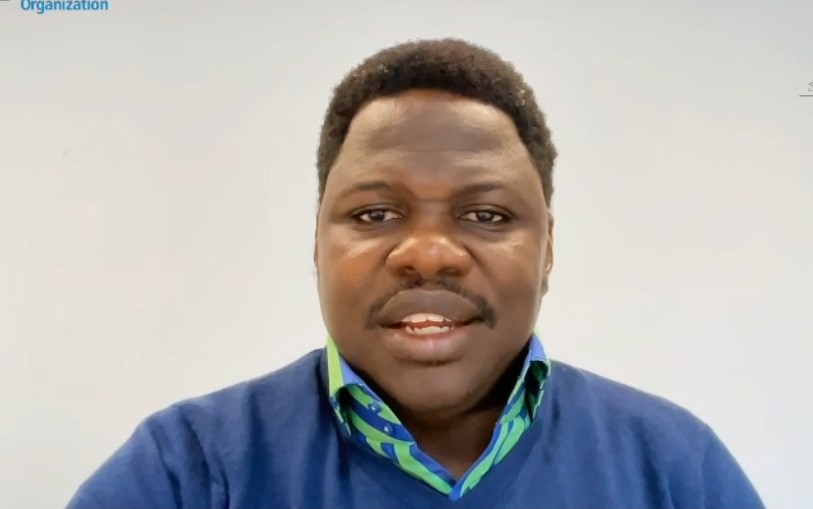
Les immigrants Nigérians peuvent connaître une réussite professionnelle et personnelle dans leurs pays d’accueil tout en faisant face à des problèmes de santé mentale souvent dissimulés, liés à la migration, aux changements identitaires et au stress prolongé, a déclaré Kehinde Ekpudu, un professionnel de la santé mentale.
Ekpudu, titulaire d’un MBA et d’un master en travail social, et travailleur social clinicien agréé (RCSW), a mis en lumière les conséquences psychologiques de la migration lors d’une présentation intitulée « Au-delà de la survie : santé mentale des immigrants nigérians — expériences vécues, identité et cerveau ».
Cette intervention a eu lieu lors du premier Sommet nigérian sur la santé mentale, organisé en ligne hier à l’occasion de la Journée mondiale de la santé mentale.
La présentation a examiné les liens entre la migration, l’identité, le cerveau et la santé mentale, en attirant l’attention sur les pressions émotionnelles auxquelles les immigrants peuvent être confrontés lorsqu’ils s’adaptent à la vie dans un nouveau pays.
« Lorsque nous parlons de la réussite des immigrants, nous célébrons leur capacité à s’en sortir. Mais que se passe-t-il lorsque la survie devient un mode de vie ? », a demandé Ekpudu, remettant en question la tendance à mesurer la réussite des immigrants principalement à travers leurs réalisations professionnelles et leur capacité d’adaptation.
Selon la présentation, les Nigérians n’arrivent pas dans leurs pays d’accueil dépourvus d’identité, d’expérience ou de références culturelles. La migration ne consiste pas simplement à passer d’un lieu géographique à un autre ; elle représente également une transition psychologique et identitaire.
La présentation a souligné que les immigrants peuvent être amenés à concilier simultanément plusieurs identités : nigériane, africaine, noire, canadienne, professionnelle, partenaire, parent, fils ou fille.
« La migration peut nous obliger à redéfinir certaines parties de nous-mêmes qui nous semblaient autrefois stables », indique le document.
Ekpudu a également cité une étude publiée en 2023 par Aluh et d’autres chercheurs, selon laquelle 51,7 % des immigrants nigérians participant à une étude menée au Canada présentaient un résultat positif au dépistage de la dépression.
La présentation a en outre relevé que le fait de résider au Canada depuis plus de dix ans était significativement associé à une probabilité plus élevée d’obtenir un résultat positif au dépistage de la dépression.
Ce constat remet en question l’idée selon laquelle les difficultés psychologiques liées à la migration diminuent nécessairement à mesure que les immigrants passent davantage de temps dans leur pays d’accueil.
Au-delà de la dépression, la présentation a identifié l’adaptation constante, l’incertitude et le stress chronique comme des facteurs susceptibles d’affecter le système nerveux et le bien-être émotionnel des immigrants.
Parmi les conséquences possibles figurent l’hypervigilance, l’anxiété, les troubles du sommeil, l’épuisement émotionnel, les difficultés de concentration et le burn-out.
« Parfois, ce qui ressemble à de la résilience de l’extérieur est en réalité un système nerveux qui est devenu très performant dans l’art de survivre », a déclaré Ekpudu.
La présentation a suggéré que des comportements souvent interprétés comme des signes de résilience peuvent parfois traduire les effets d’une pression psychologique prolongée, notamment lorsque les personnes se sentent obligées de rester fortes malgré leurs difficultés émotionnelles.
Elle a également examiné l’influence des attentes culturelles sur la manière dont les immigrants nigérians comprennent et expriment leurs problèmes de santé mentale.
Des expressions telles que « Je suis simplement fatigué », « Ce n’est que du stress », « Dieu m’aidera », « Je dois être plus fort », « D’autres personnes vivent des situations plus difficiles » et « Je ne peux pas craquer » ont été présentées comme des façons courantes de décrire ou d’aborder les difficultés émotionnelles sans reconnaître ouvertement ses besoins en matière de santé mentale.
Selon la présentation, ces réactions peuvent refléter la pression ressentie par certains immigrants, qui doivent rester forts, assumer leurs responsabilités familiales et continuer à rechercher la réussite, même lorsqu’ils traversent des difficultés émotionnelles.
Intitulée « Au-delà de la survie », la présentation a insisté sur la nécessité de prendre en compte les expériences vécues, les identités ainsi que le bien-être physique et psychologique des immigrants dans les discussions sur la santé mentale.
Elle a proposé un parcours allant de la survie à la confiance en soi, fondé sur trois principes : le sentiment d’appartenance, l’intégration et l’épanouissement.
Dans ce cadre, le sentiment d’appartenance consiste à pouvoir créer des liens sans renoncer à son identité ; l’intégration implique d’accepter et de concilier plusieurs identités ; tandis que l’épanouissement signifie reconnaître que la vie peut offrir davantage que la simple survie face aux difficultés quotidiennes.
« Je peux trouver ma place sans renoncer à moi-même », indique la présentation pour illustrer le premier principe.
Elle ajoute : « Je peux assumer plusieurs identités » et « Ma vie peut être davantage qu’une simple survie ».
La présentation a été réalisée dans le cadre des activités de Twin Ocean, dont la devise est : « Naviguer ensemble sur les vagues de la vie ».
Le sommet nigérian appelle à une approche inclusive des soins de santé mentale
Le coordonnateur du Sommet nigérian sur la santé mentale (NMHS), le Dr Oluyinka Oyeniji, a appelé à l’adoption d’une approche nationale inclusive des soins de santé mentale, qui tienne compte des expériences vécues par les patients, les aidants, les familles et les autres personnes affectées par les troubles mentaux.
Oyeniji a lancé cet appel hier dans son discours d’ouverture du premier Sommet nigérian sur la santé mentale, organisé pour commémorer la Journée mondiale de la santé mentale.
Le sommet, organisé en collaboration avec le Ladoke Akintola Neuroscience Group (LNG), a réuni des défenseurs de la santé mentale, des professionnels de santé, des chercheurs et d’autres acteurs concernés afin de discuter des défis et des possibilités d’amélioration des soins de santé mentale au Nigeria.
Selon Oyeniji, le sommet a été créé pour promouvoir des changements positifs dans le secteur de la santé mentale du pays et renforcer les efforts en faveur d’une réponse nationale coordonnée aux problèmes de santé mentale.
Il a déclaré que cette initiative revêtait une importance particulière à un moment où de nombreux Nigérians étaient confrontés à des problèmes de santé mentale, soit directement, soit en raison de leurs responsabilités en tant qu’aidants, membres de la famille ou amis.
Le coordonnateur a également souligné la démarche du gouvernement fédéral visant à dépénaliser la tentative de suicide, qu’il a qualifiée d’évolution importante après plus de quatorze années de plaidoyer.
Il a salué les acteurs qui ont maintenu la mobilisation en faveur de cette réforme et exhorté les Nigérians à soutenir les initiatives visant à améliorer les soins de santé mentale et à protéger les droits des personnes vivant avec des troubles mentaux.

Soudan : les attaques de drones perturbent les cours à El-Obeid, alerte le NRC

Sudan: Drone attacks disrupt school lessons in El Obeid- NRC

Sea-Watch secourt 227 migrants en Méditerranée en 48 heures

Sea-Watch rescues 227 migrants in Mediterranean within 48 hours

Un avocat ougandais exhorte l’UA à rejeter les accords migratoires avec l’Europe
-
 Features2 weeks ago
Gaza : Près de deux millions de personnes ont besoin d’une aide d’urgence en matière d’hébergement
-

 News Extra2 weeks ago
NACTAL conteste le rapport américain sur la traite des personnes et exige la reconnaissance des contributions des organisations de la société civile nigérianes
-
 News Extra2 weeks ago
Un avocat ougandais exhorte l’UA à rejeter les accords migratoires avec l’Europe
-
 News Extra1 week ago
Sudan: Drone attacks disrupt school lessons in El Obeid- NRC
-
 Features2 weeks ago
Nigerian immigrants face hidden mental health challenges despite success, expert warns
-
 Features2 weeks ago
Gaza: About two million need urgent shelter assistance
-

 News Extra2 weeks ago
NACTAL faults US trafficking report, demands recognition of Nigerian CSOs’ contributions
-

 News Extra2 weeks ago
US to deport fresh set of Nigerians over alleged criminal offences