
News
Displacement in Latin America no longer a series of isolated events- ProLAC partners


Displacement in Latin America is no longer a series of isolated events—it has become a widespread and systemic outcome of persistent violence, ProLAC partners, a regional protection monitoring initiative led by the Norwegian Refugee Council (NRC) and the Danish Refugee Council (DRC), has warned. The failure to establish effective legal frameworks to recognise and protect internally displaced people leaves thousands without access to the support and safeguards they urgently need.
“Families across the region are being forced from their homes, their livelihoods, and their communities by violence. Their lives are turned upside down as they try to seek safety, yet they are going unsupported and becoming increasingly invisible,” said Stine Paus, NRC’s regional director for Latin America.
“Governments across the region must urgently recognise internal displacement as a humanitarian and protection crisis. Without protective laws and services, families will continue to be displaced multiple times and denied their rights.”
While these situations do not constitute armed conflict in the strict legal sense, they fall under the definition of ‘other situations of violence’, according to the International Committee of the Red Cross. Despite this distinction, the level of humanitarian consequences generated is often no less severe.
“People flee to save their lives, yet displacement does not guarantee safety. Returning is not an option for most displaced families. Ninety-five per cent of families we surveyed told us they would face risks if they returned, and seven out of ten said they fear for their lives. We cannot simply ignore the extreme dangers people are facing,” said Paus.
Across the four countries surveyed, almost three-quarters of displaced people reported going into hiding, half of them restricted their movements, and a third lost their income. Despite this, two thirds have not reported their situation to any authority – often due to the absence of legal frameworks and widespread distrust in institutions.
Each country surveyed has specific risks and dangers, which are important to recognise. In Mexico, a quarter of those interviewed—while not displaced—were living in contexts of generalised violence primarily driven by organised criminal groups and reported experiences of extortion. Alarmingly, nearly half of the families in Mexico who reported extortion also indicated they had been victims of kidnapping.
In Ecuador, three out of ten displaced families surveyed were forced to flee twice. Many families reported being extorted some simultaneously by different groups. This forced them to flee and losing their jobs, businesses and ability to support themselves.
Children and adolescents are also at risk in Ecuador. Recruitment by criminal groups often begins in schools and community spaces, where young people face intimidation, threats, and even violence. These coercive tactics are frequently downplayed as mere ‘invitations’. For instance, a key informant in Ecuador said: “Even school-aged youth are targeted—like the boy who was ‘invited’ to work in mining. It wasn’t forced, but the fear of being drawn in remains”.
The threat of extortion is also present in Honduras: “Sometimes they just leave a note saying, ‘You have so many hours to leave or you have to pay me this amount every Friday’… This happens in many communities. In some places, people flee out of fear and leave everything behind,” said a woman working to support displaced people in Honduras.
In Guatemala, extortion by criminal groups is a significant concern, with four out of ten internally displaced people reported being affected by this threat. Across Guatemala and Honduras, two out of ten families reported being forced to flee more than once. These secondary displacements are largely driven by persistent insecurity and widespread violence, often linked to the continued presence of criminal groups.
The situation is further exacerbated by the lack of legal recognition for internally displaced people in all countries surveyed. In 2022, Honduras has enacted a law on internal displacement, however it lacks both regulation and funding for implementation. Guatemala has made initial progress, and some states in Mexico have adopted legal frameworks, but there is still no national law in place. Ecuador currently lacks any legal framework specifically addressing the rights and needs of internally displaced people.
“The legal vacuum has real consequences for displaced people. The lack of official recognition of internal displacement limits access to humanitarian assistance, justice, reparations, and durable solutions,” said Yann Cornic, DRC’s regional operations director.
“States must prioritise legal frameworks, ensure access to services regardless of documentation status, and protect children and youth from recruitment and exploitation.”
NRC and DRC call for inclusive policy development, community participation in implementation, and targeted protection and reparation for children and youth, recognising them as victims.
“We are working with displaced communities to document risks, support access to services, and advocate for durable solutions. But without political will, these efforts will fall short,” said Cornic.

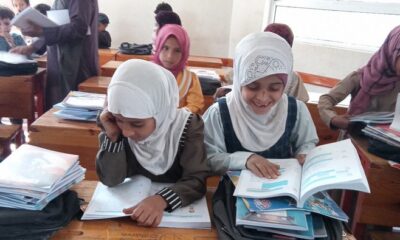

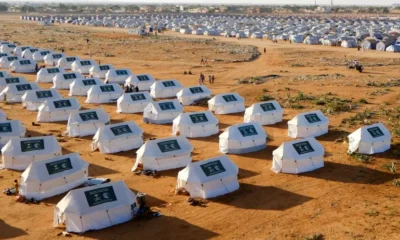

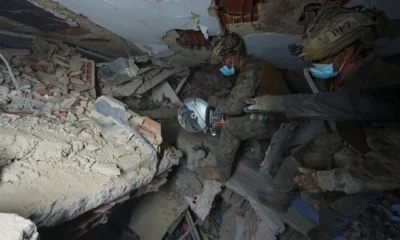


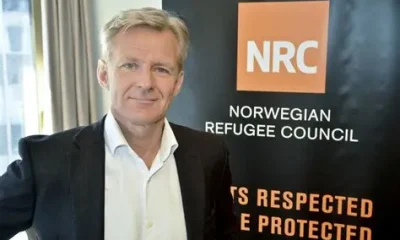


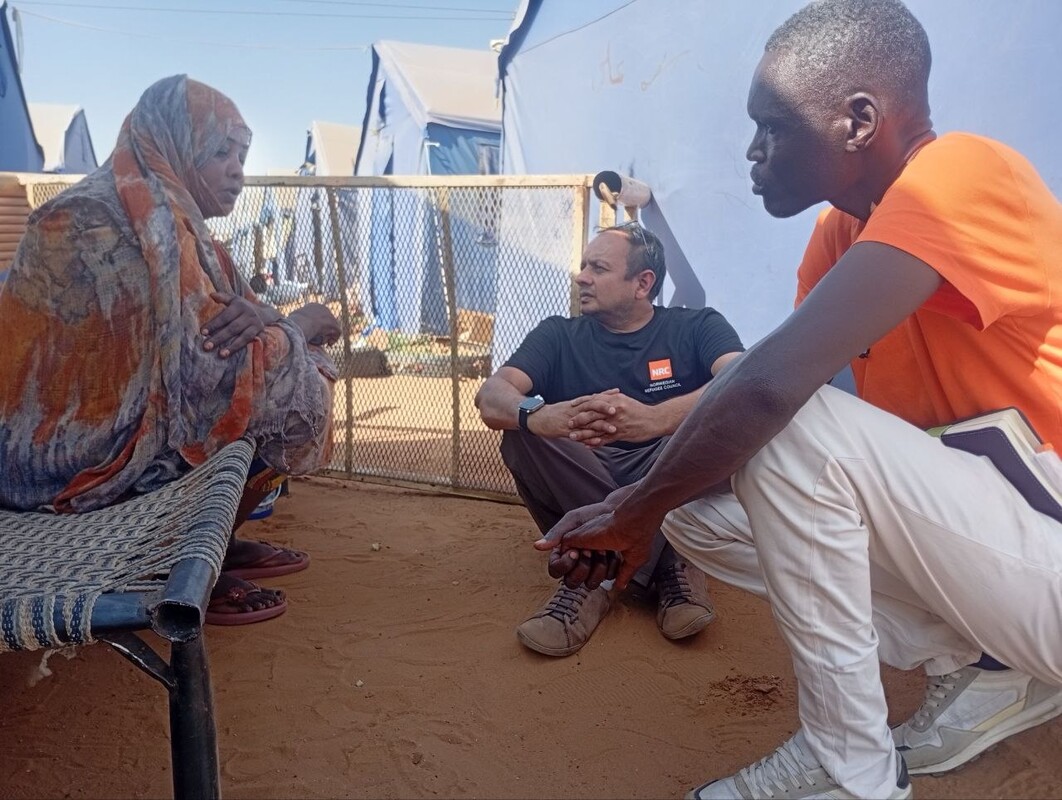
Les enfants d’El-Obeid, dans l’État du Kordofan du Nord, sont de plus en plus exposés aux menaces liées aux drones qui survolent la ville, contraignant les écoles à suspendre les cours et perturbant l’accès à l’éducation, a alerté le Conseil norvégien pour les réfugiés (NRC).
Shashwat Saraf, directeur pays du NRC au Soudan, a tiré la sonnette d’alarme après une visite dans la ville cette semaine. Il a indiqué que les élèves et les enseignants peinaient à poursuivre les activités scolaires en raison de la dégradation de la situation sécuritaire.
« J’ai visité une école où les enseignants m’ont expliqué qu’ils étaient contraints de suspendre régulièrement les cours à cause des drones qui survolent les environs », a déclaré M. Saraf.
« Il est révoltant que des enfants soient confrontés à de telles situations alors qu’ils cherchent simplement à accéder à l’éducation. Ils ne devraient pas avoir à faire preuve de courage simplement pour aller à l’école », a-t-il ajouté.
Selon le NRC, ses centres d’apprentissage à El-Obeid accueillent plus de 5 500 élèves, tandis que de nombreuses autres familles cherchent encore à inscrire leurs enfants.
En collaboration avec son partenaire, l’Organisation Al-Salam pour la réhabilitation et le développement (AORD), l’organisation aide les enfants à rattraper les cours manqués et à gérer la peur et le stress liés au conflit.
Ces dernières semaines, des drones ont frappé à plusieurs reprises des sites civils à El-Obeid, notamment un dortoir universitaire, un abri destiné aux familles déplacées ainsi que des entrepôts situés dans la localité de Sheikan. Ces derniers contenaient plus de 330 000 manuels scolaires.
La ville compte plus de 500 000 habitants, parmi lesquels des dizaines de milliers de personnes déplacées par les combats dans d’autres régions du Kordofan et du Soudan.
« Les lieux où les gens dorment ont été frappés depuis les airs, tout comme les livres dont les enfants ont besoin pour apprendre », a déclaré M. Saraf.
Il a ajouté que ces attaques plongeaient les familles dans l’incertitude quant à leur sécurité, tandis que la hausse des prix et l’accès limité à l’eau potable, à des installations sanitaires sûres et à des abris adéquats aggravaient leurs conditions de vie.
« Après chaque attaque, les familles se demandent ce qui sera frappé ensuite », a-t-il souligné.
Le NRC a également attiré l’attention sur les conditions difficiles des élèves d’une école pour filles à El-Obeid. L’établissement compte environ 1 200 élèves, mais ne dispose que de trois salles de classe utilisables.
« Pour entrer dans l’une des salles de classe, il fallait essayer de ne pas se marcher les uns sur les autres », a raconté M. Saraf.
L’organisation a construit deux salles de classe supplémentaires et des toilettes dans cette école. Elle a également fourni du matériel pédagogique et formé des enseignants afin qu’ils puissent mieux accompagner les enfants touchés par le conflit.
Toutefois, M. Saraf a estimé que ces interventions demeuraient insuffisantes face à l’ampleur croissante des besoins.
« Les enfants sont prêts, les enseignants sont prêts et les parents sont prêts. Ce qui leur manque, c’est la certitude qu’une journée d’école puisse simplement se dérouler normalement, sans avoir à écouter les drones ni à se demander à quel moment les cours devront être interrompus », a-t-il déclaré.
Au-delà du secteur de l’éducation, le NRC a apporté une aide financière à 4 000 ménages et distribué 3 000 kits contenant des articles d’hygiène et des fournitures pour les abris. Ces kits comprennent notamment des couvertures, des bâches en plastique, des nattes de couchage, des bidons d’eau et des lampes solaires.
L’organisation prévoit également de soutenir des initiatives communautaires afin de renforcer les efforts des habitants qui viennent déjà en aide aux familles touchées par la crise.
Le NRC a indiqué que son plan d’intervention sur 12 mois à El-Obeid nécessitait un financement de 7,1 millions de dollars pour venir en aide à 107 000 personnes. Cependant, 65 % des fonds nécessaires restent à mobiliser.
M. Saraf a appelé les parties au conflit à protéger les civils et les infrastructures essentielles, rappelant que les attaques contre les populations civiles et les infrastructures dont elles dépendent sont interdites par le droit international humanitaire.
« Les parties à cette guerre doivent protéger les écoles, les habitations, les abris et les marchés, et maintenir les équipements militaires à l’écart des zones civiles », a-t-il déclaré.
Il a également exhorté les bailleurs de fonds à débloquer d’urgence des ressources pour les programmes d’accès à l’eau, d’hébergement et d’éducation, afin de garantir aux personnes déplacées et aux communautés d’accueil d’El-Obeid l’accès à une assistance essentielle.
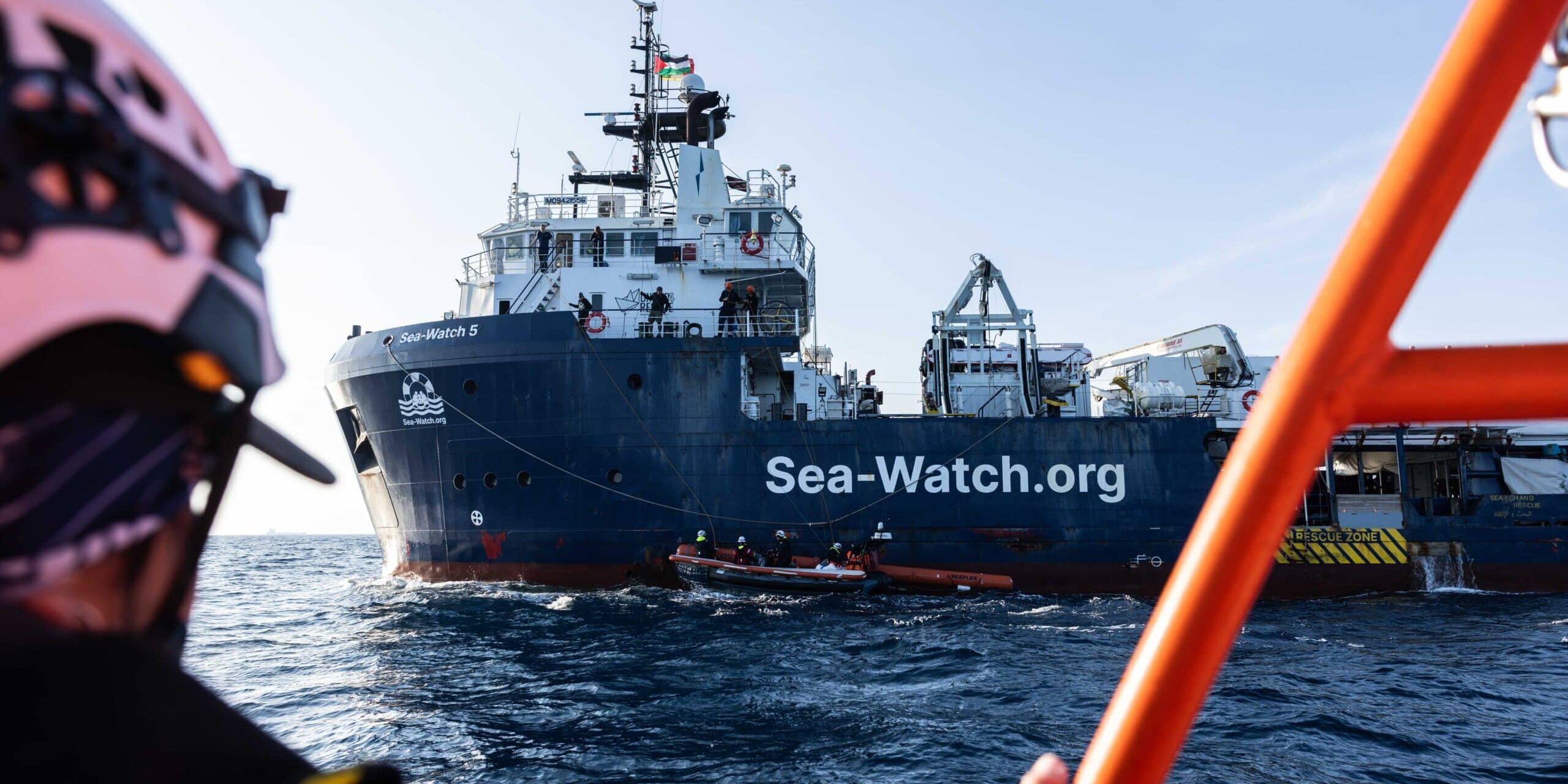
Sea-Watch, une organisation non gouvernementale allemande spécialisée dans le sauvetage civil en mer, affirme que ses navires ont secouru 227 personnes à bord d’embarcations en détresse en Méditerranée centrale en l’espace de 48 heures.
Les opérations de sauvetage ont été menées par le Sea-Watch 5 et l’Aurora 2 entre l’après-midi du dimanche 11 octobre et la soirée du lundi 12 octobre 2026, selon un communiqué publié par l’organisation le 13 octobre.
Les personnes secourues se trouvaient à bord de cinq embarcations en détresse dans les eaux internationales. Au cours des opérations, les deux équipages ont également repéré des navires non identifiés qui s’approchaient de leurs bateaux de sauvetage.
Lors d’un incident, un individu s’identifiant par radio comme appartenant à la marine libyenne a menacé de poursuivre l’équipage du Sea-Watch 5 à Tripoli s’il ne quittait pas une zone réglementée située à proximité d’une plateforme pétrolière offshore.
La porte-parole de Sea-Watch, Julia Winkler, s’est réjouie du succès des opérations de sauvetage, tout en critiquant les autorités italiennes pour avoir assigné au Sea-Watch 5 un port éloigné.
« Nous sommes extrêmement heureux que 227 personnes aient survécu à cette traversée dangereuse. Le sauvetage de 227 personnes en 48 heures montre à quel point les navires de sauvetage sont indispensables », a déclaré Julia Winkler.
Elle a estimé que la décision des autorités italiennes d’orienter le navire vers Civitavecchia, à environ 900 kilomètres de distance, réduirait considérablement sa capacité à mener de nouvelles opérations de sauvetage.
« Réduire délibérément les capacités de sauvetage est un choix politique aux conséquences meurtrières », a-t-elle ajouté.
Selon l’organisation, le Sea-Watch 5 a secouru 151 personnes au cours de trois opérations distinctes.
Dimanche, son équipage a sauvé 28 personnes à bord d’une embarcation en train de couler, après avoir reçu une alerte d’un avion exploité par SOS MEDITERRANEE, une autre organisation humanitaire spécialisée dans le sauvetage en mer.
L’équipage a ensuite secouru 51 autres personnes à la suite d’une alerte d’Alarm Phone, une ligne téléphonique d’urgence qui vient en aide aux personnes en détresse lors des traversées maritimes. Avant cette deuxième opération, un navire non identifié a tourné à plusieurs reprises autour du Sea-Watch 5.
Lundi matin, l’équipage a reçu une alerte concernant une autre embarcation en détresse dans une zone réglementée située à proximité d’une plateforme pétrolière offshore.
Après qu’un navire de ravitaillement associé à la plateforme eut autorisé le Sea-Watch 5 à pénétrer dans la zone pour porter assistance aux personnes en détresse, un individu se présentant comme appartenant à la marine libyenne a ordonné au navire de sauvetage de quitter les lieux.
Cet individu a menacé de traduire l’équipage devant un tribunal à Tripoli s’il ne se conformait pas à cet ordre. L’équipage de Sea-Watch est finalement parvenu à désamorcer la situation et à secourir les 72 personnes qui se trouvaient à bord de l’embarcation.
De son côté, l’Aurora 2 a secouru 76 personnes au cours de deux opérations menées lundi.
Lors de la première opération, une embarcation grise en fibre de verre, non identifiée et transportant quatre personnes, s’est approchée de très près du navire de sauvetage sans entrer en contact avec lui.
Plus tard dans la soirée, l’Aurora 2 a porté assistance à une autre embarcation en détresse en contribuant à la stabiliser jusqu’à l’arrivée des garde-côtes italiens, qui ont pris en charge les personnes à bord.
Alors que les autorités italiennes avaient assigné le port de Civitavecchia au Sea-Watch 5, l’Aurora 2 a été dirigé vers l’île de Lampedusa, où il est arrivé vers 21 h 30.
Sea-Watch a indiqué que l’Aurora 2 n’aurait pas été en mesure de rejoindre un port plus éloigné en raison de ses réserves limitées de carburant.
Ces opérations de sauvetage interviennent dans un contexte de préoccupations persistantes concernant les décès et les disparitions de migrants le long des routes migratoires en Méditerranée.
Selon le Projet sur les migrants disparus de l’Organisation internationale pour les migrations (OIM), au moins 1 982 personnes sont mortes ou ont disparu en Méditerranée depuis le début de l’année 2026.
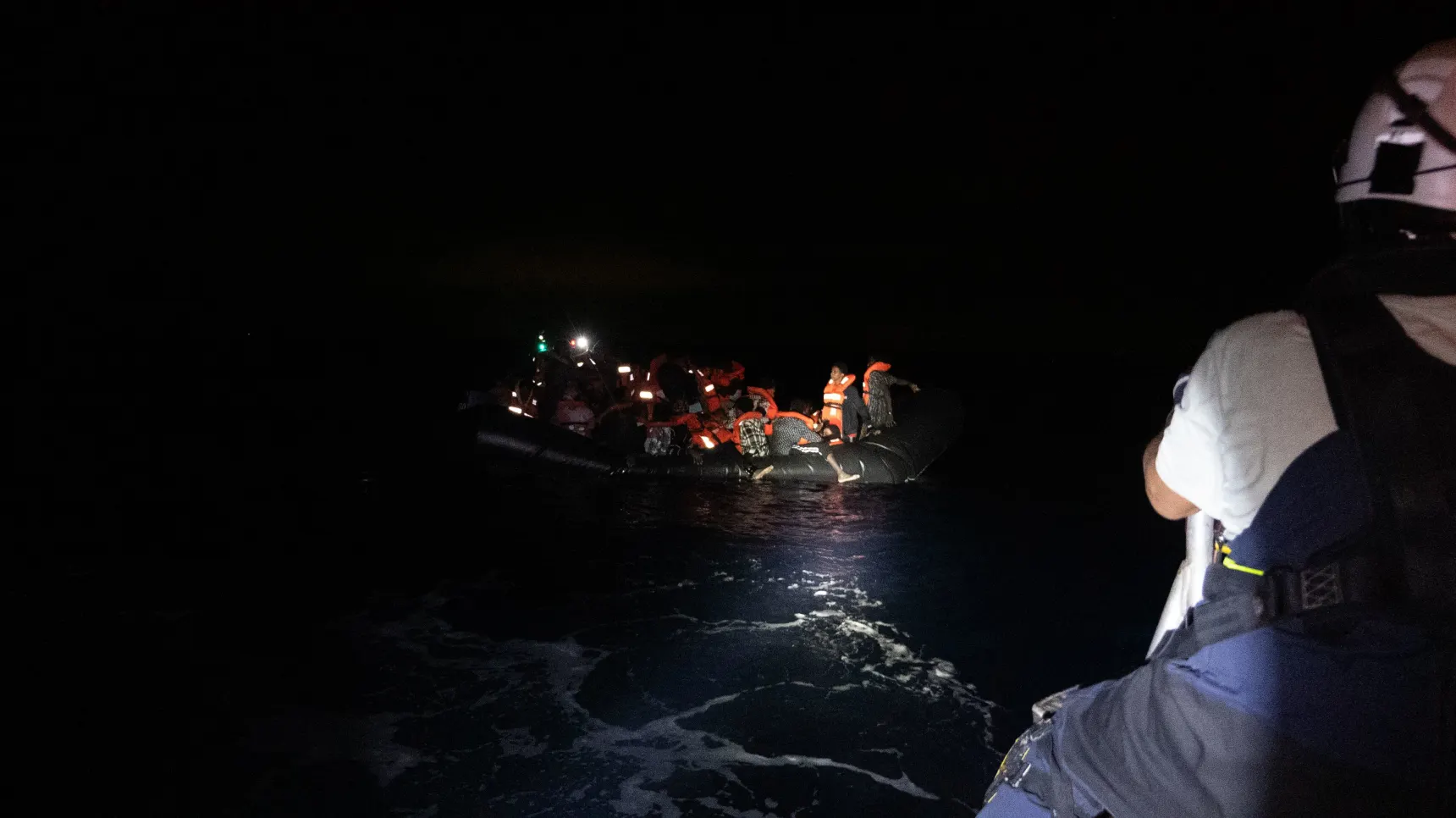
Sea-Watch, a German non-governmental organisation involved in civilian sea rescue, says its vessels rescued 227 people from boats in distress in the central Mediterranean within 48 hours.
The rescues were carried out by the Sea-Watch 5 and Aurora 2 between Sunday afternoon, October 11, and Monday evening, October 12, 2026, according to a statement issued by the organisation on October 13.
The rescued people were found aboard five boats in distress in international waters. During the operations, both crews also encountered unidentified vessels approaching their rescue ships.
In one incident, an individual identifying itself over the radio as the Libyan Navy threatened to prosecute the Sea-Watch 5 crew in Tripoli if they failed to leave a restricted area near an offshore oil platform.
Sea-Watch spokesperson Julia Winkler welcomed the successful rescue operations but criticised Italian authorities for assigning the Sea-Watch 5 a distant port.
“We are incredibly happy that 227 people survived the dangerous journey. The rescue of 227 people in 48 hours shows how urgently rescue ships are needed,” Winkler said.
She said the Italian authorities’ decision to direct the vessel to Civitavecchia, approximately 900 kilometres away, would significantly reduce its ability to carry out further rescue operations.
“Deliberately reducing rescue capacity is a political choice with deadly consequences,” she added.
According to the organisation, the Sea-Watch 5 rescued 151 people in three separate operations.
On Sunday, its crew rescued 28 people from a sinking boat after receiving an alert from an aircraft operated by SOS MEDITERRANEE, another humanitarian organisation involved in sea rescue.
The crew subsequently rescued another 51 people following an alert from Alarm Phone, a hotline that supports people in distress during sea crossings. Before the second operation, an unidentified vessel repeatedly circled the Sea-Watch 5.
On Monday morning, the crew received an alert about another boat in distress in a restricted area near an offshore oil platform.
After a supply vessel associated with the platform authorised the Sea-Watch 5 to enter the area and assist those in distress, an individual identifying itself as the Libyan Navy ordered the rescue ship to leave.
The individual threatened to bring the crew before a court in Tripoli if it failed to comply. The Sea-Watch crew eventually de-escalated the situation and rescued all 72 people aboard the boat.
Meanwhile, the Aurora 2 rescued 76 people in two operations on Monday.
During the first operation, an unidentified grey fibreglass boat carrying four people approached the rescue vessel closely without making contact.
Later that evening, the Aurora 2 assisted another boat in distress by helping to stabilise it until the Italian Coast Guard arrived and took the people aboard.
While Italian authorities assigned the Sea-Watch 5 to Civitavecchia, the Aurora 2 was directed to the island of Lampedusa, where it arrived at approximately 9:30 p.m.
Sea-Watch said the Aurora 2 would not have been able to reach a more distant port because of its limited fuel reserves.
The rescue operations come amid continued concerns over migrant deaths and disappearances along Mediterranean migration routes.
According to the International Organization for Migration’s Missing Migrants Project, at least 1,982 people have died or gone missing in the Mediterranean since the beginning of 2026.

Soudan : les attaques de drones perturbent les cours à El-Obeid, alerte le NRC

Sudan: Drone attacks disrupt school lessons in El Obeid- NRC

Sea-Watch secourt 227 migrants en Méditerranée en 48 heures

Sea-Watch rescues 227 migrants in Mediterranean within 48 hours

Un avocat ougandais exhorte l’UA à rejeter les accords migratoires avec l’Europe
-
 Features2 weeks ago
Gaza : Près de deux millions de personnes ont besoin d’une aide d’urgence en matière d’hébergement
-

 News Extra2 weeks ago
NACTAL conteste le rapport américain sur la traite des personnes et exige la reconnaissance des contributions des organisations de la société civile nigérianes
-
 News Extra2 weeks ago
Un avocat ougandais exhorte l’UA à rejeter les accords migratoires avec l’Europe
-
 News Extra1 week ago
Sudan: Drone attacks disrupt school lessons in El Obeid- NRC
-

 Features2 weeks ago
Nigerian immigrants face hidden mental health challenges despite success, expert warns
-
 Features2 weeks ago
Gaza: About two million need urgent shelter assistance
-

 News Extra2 weeks ago
NACTAL faults US trafficking report, demands recognition of Nigerian CSOs’ contributions
-

 News Extra2 weeks ago
US to deport fresh set of Nigerians over alleged criminal offences