
News
Fifty six killed as vessel carrying majorly Ethiopian migrants capsizes

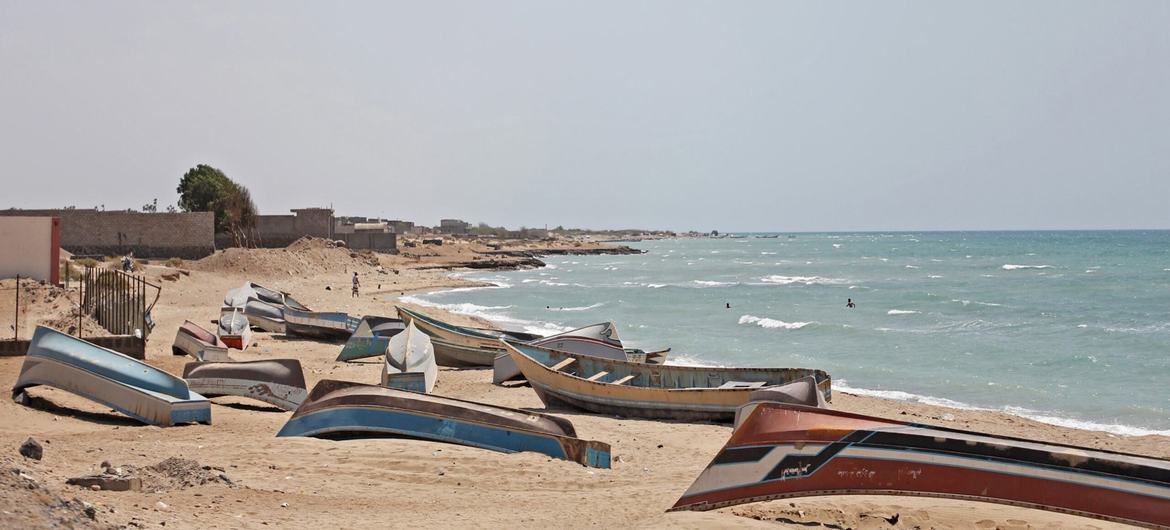
A boat carrying majorly Ethiopian migrants capsized over the weekend off the coast of war-torn Yemen killing 56 people.
132 people according to the U.N. immigration agency The International Organisation for Migration, (IOM) said Tuesday.
It is the latest in a series of shipwrecks off Yemen that killed hundreds trying to reach wealthy Arab Gulf countries in the hope of a better life.
The vessel had 200 people on board when it sank early Sunday off the coastal town of Shuqrah in Yemen’s southern province of Abyan, the International Organization for Migration said in a statement. Authorities recovered 56 bodies, including 14 women, while 12 men were rescued as of Tuesday morning, the agency said.
An operation to find those missing is underway, Abyan security directorate said late Monday, adding that the body of the boat captain, a Yemeni citizen, was recovered among 14 others off Zinjibar, the provincial capital.
“This heartbreaking incident highlights the urgent need to address the dangers of irregular migration along the Eastern Route,” the IOM said.
Initially, Abdusattor Esoev, IOM chief in Yemen, said on Sunday the boat carried 154 Ethiopian migrants, with 68 killed and 74 missing.
In its Tuesday statement, IOM said more than 350 migrants died or went missing in shipwrecks so far this year along the Eastern Route, which migrants from the Horn of Africa use to reach Yemen. The actual figure is likely to be significantly higher, it said.
Yemen has been a major transit point for African migrants fleeing conflicts and poverty. Smugglers often take them on dangerous, overcrowded boats across the Red Sea or the Gulf of Aden.
Tens of thousands of migrants arrive in Yemen every year, despite being one of the poorest Arab countries and mired in a civil war for more than a decade.
More than 60,000 migrants arrived there in 2024, according to the IOM.

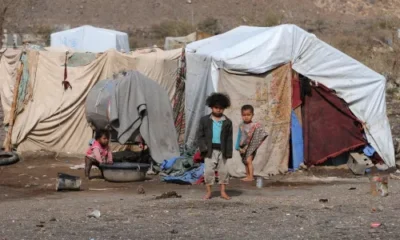

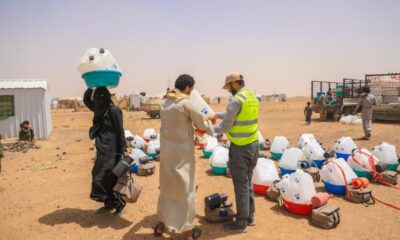






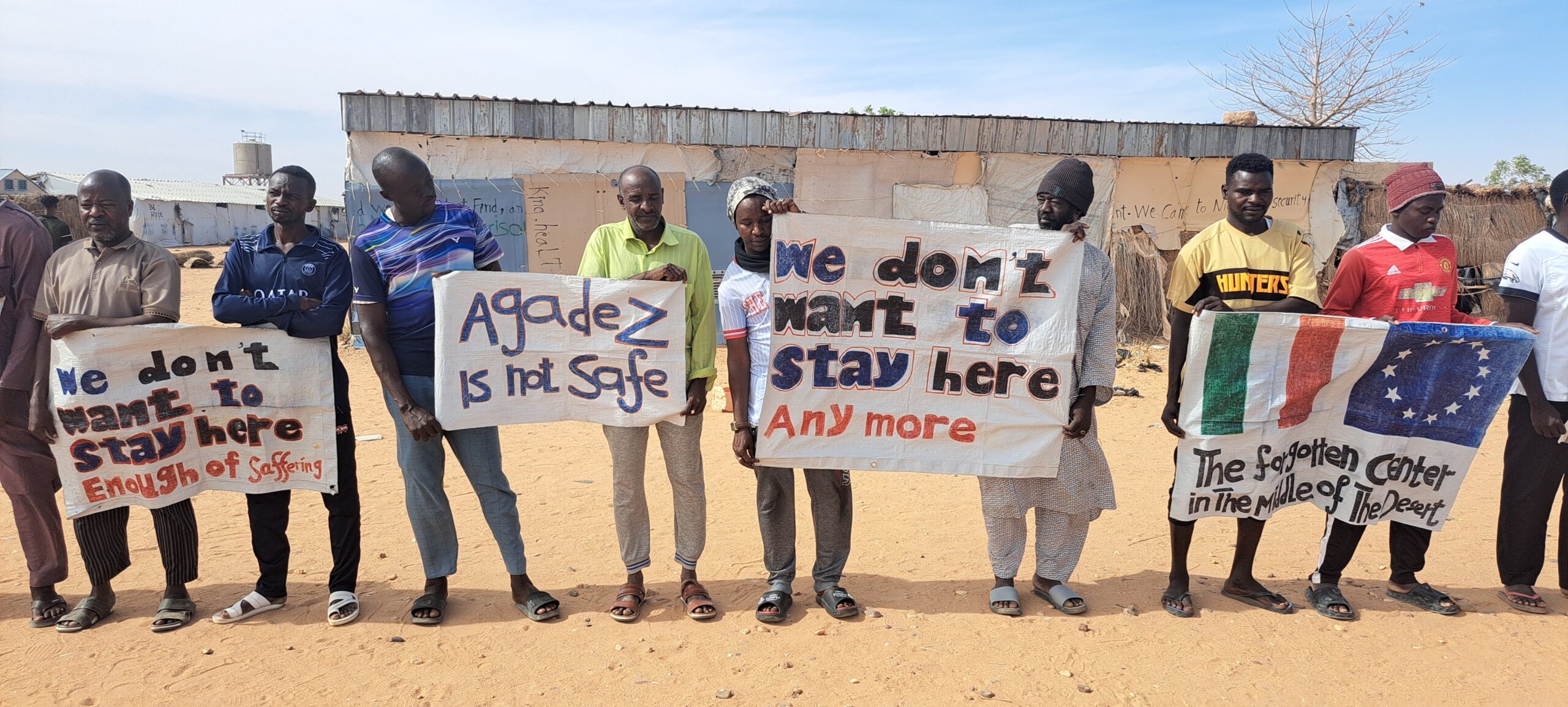
Des réfugiés installés au centre humanitaire d’Agadez, au Niger, poursuivent une manifestation pacifique devant les bureaux du Haut-Commissariat des Nations unies pour les réfugiés (HCR), accusant les organisations humanitaires d’ignorer leur situation et de ne pas répondre à leurs revendications.
Les réfugiés, regroupés sous le nom de Refugees in Niger, affirment manifester depuis plus de deux ans pour dénoncer leurs conditions de vie et ce qu’ils considèrent comme un manque d’engagement des organisations humanitaires en faveur de la protection de leurs droits.
Dans une série de publications sur X entre le 1er et le 5 novembre, le groupe a indiqué que la manifestation avait atteint son 771e jour au 2 novembre, ajoutant que la situation au centre s’était considérablement détériorée.
Il a décrit les conditions de vie comme extrêmement difficiles, soulignant que les réfugiés manquaient de produits de première nécessité et faisaient face à un avenir incertain.
« La situation à Agadez est devenue catastrophique. Les réfugiés souffrent énormément, vivent dans des conditions déplorables et leur sort demeure incertain depuis leur arrivée au centre », a déclaré le groupe dans une publication du 2 novembre.
Les manifestants ont également accusé le HCR et d’autres organisations humanitaires de garder le silence malgré la durée de leur mobilisation et leurs appels répétés à l’aide.
Dans une autre publication datée du 5 novembre, le groupe a indiqué que la manifestation pacifique se poursuivait toujours devant les bureaux du HCR, exprimant sa frustration face à ce qu’il a qualifié d’inaction persistante des organisations humanitaires alors que les réfugiés continuent de vivre dans des conditions difficiles.
Le groupe a attiré l’attention sur les revendications des réfugiés concernant leurs droits et l’amélioration de leurs conditions de vie, appelant les organisations humanitaires à répondre à leurs préoccupations.
Le HCR n’avait pas encore réagi aux accusations contenues dans les publications citées.
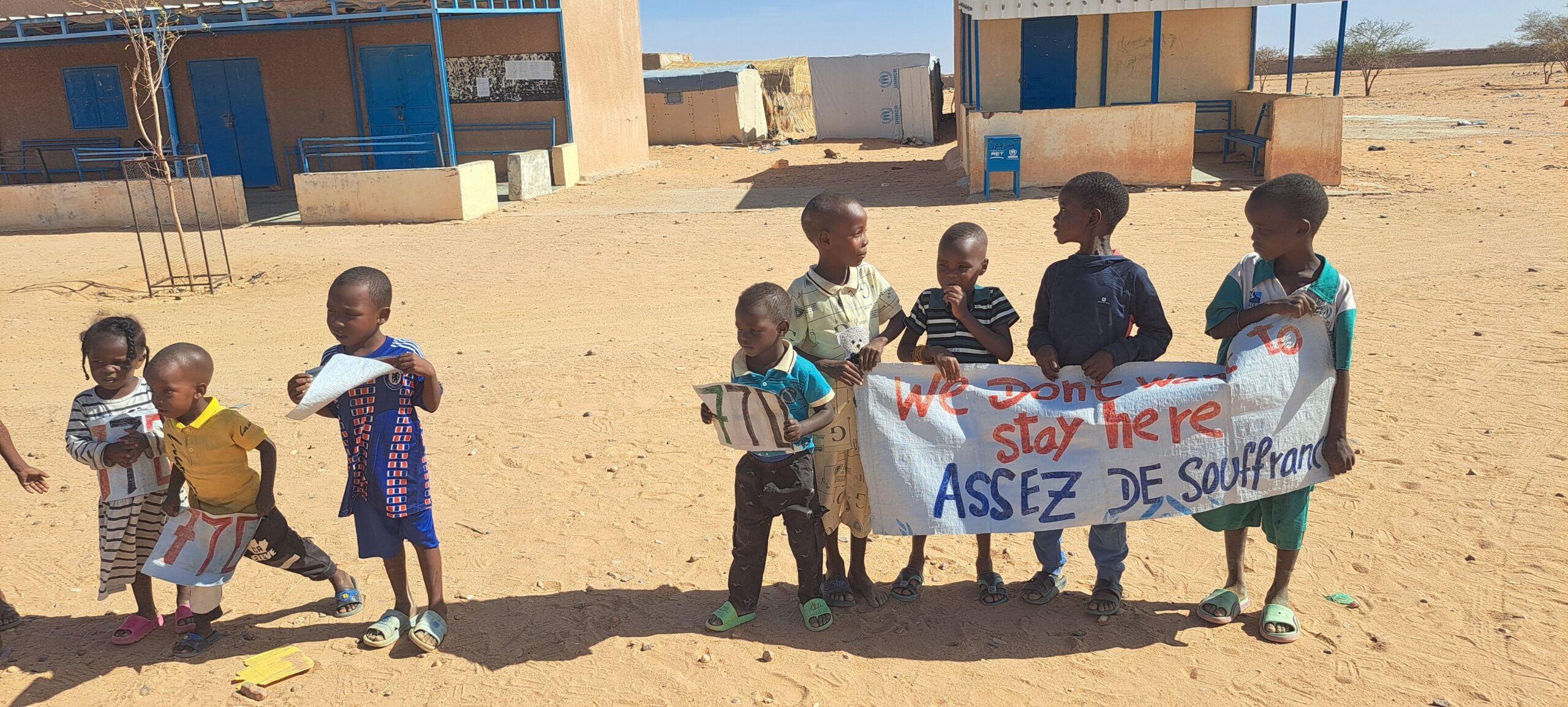
Refugees at the Agadez Humanitarian Centre in Niger have continued a peaceful protest outside the office of the United Nations High Commissioner for Refugees (UNHCR), accusing humanitarian organisations of ignoring their plight and failing to address their demands.
The refugees, under the group Refugees in Niger, said they had been protesting for more than two years over their living conditions and what they described as the lack of efforts by humanitarian agencies to protect their rights.
In a series of posts on X between November 1 and 5, the group said the protest had entered its 771st day as of November 2, adding that the situation at the centre had deteriorated significantly.
It described conditions as dire, saying the refugees lacked basic necessities and faced an uncertain future.
“The situation in Agadez has become catastrophic. Refugees are suffering immensely, living in dire conditions, and their fate has remained unknown since their arrival at the centre,” the group said in a post on November 2.
The protesters also accused UNHCR and other humanitarian organisations of remaining silent despite their prolonged demonstrations and appeals for assistance.
In another post on November 5, the group said the peaceful protest was still ongoing outside the UNHCR office, expressing frustration over what it described as the continued inaction of humanitarian organisations while refugees endured difficult conditions.
The group called attention to the refugees’ demands for their rights and improved living conditions, urging humanitarian organisations to address their concerns.
The UNHCR had not responded to the allegations in the posts cited.
Migration expert Jeff Crisp has questioned the International Organization for Migration’s (IOM) decision to participate in the implementation of a United States programme involving the deportation of migrants to third countries.
Crisp also raised concerns over what he described as a racially based relocation programme targeting white South Africans.
In a post on X on November 2, Crisp said he was seeking clarification on IOM’s involvement in the two programmes.
“I am trying to understand IOM’s decision to be involved in the implementation of the US programme of 3rd country deportations and its racially-based relocation programme for white South Africans,” he wrote.
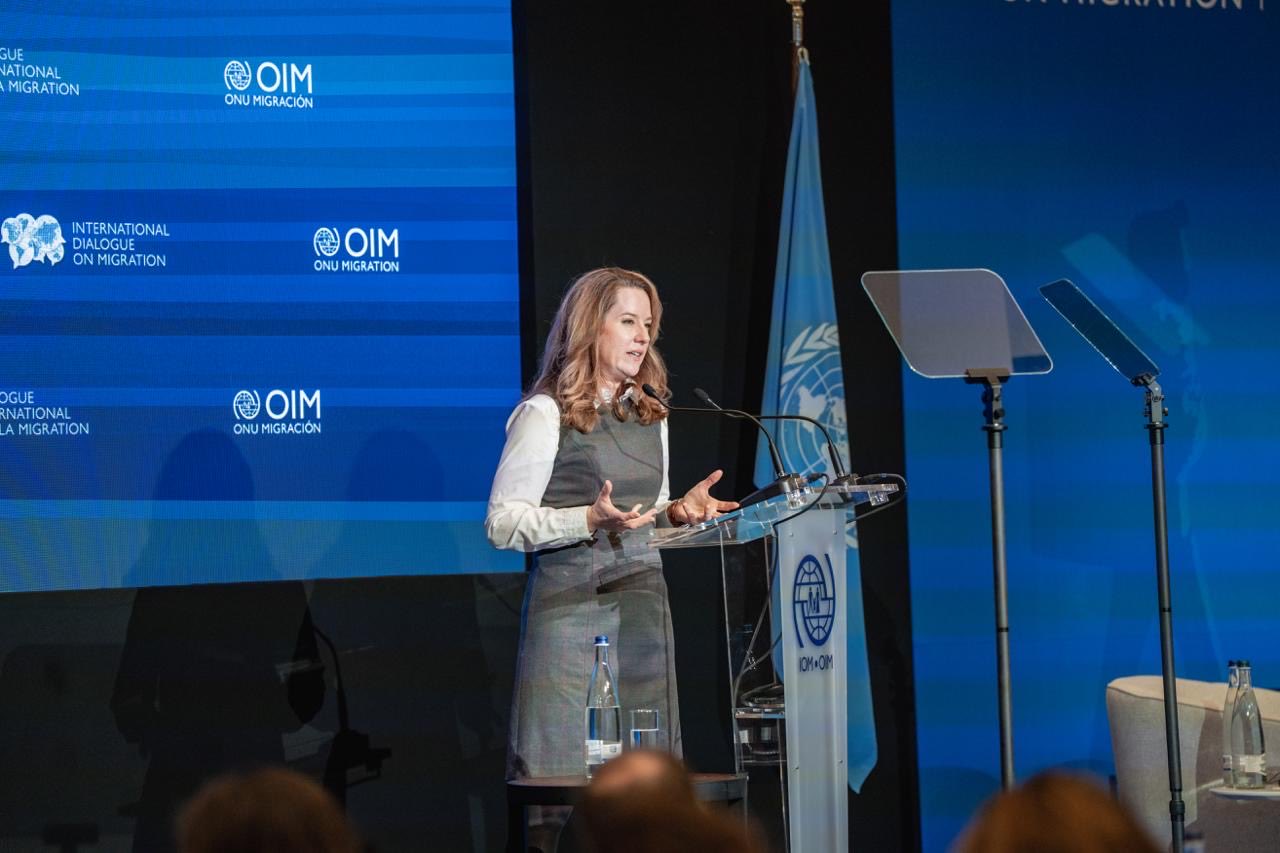
His comments were made in response to a post by IOM Director-General Amy Pope, who was discussing the importance of building public trust in migration governance.
In her post, Pope said trust in migration could not be established through facts and figures alone, stressing the need for transparency, public participation and accountability in institutional decision-making.
“Trust in migration isn’t built with facts and figures alone. It’s built when people understand decisions, can help shape them, and see that institutions follow through,” she wrote.
Pope added that the issues were central to discussions at the 2026 International Dialogue on Migration (#IDM2026), taking place in Geneva.
Crisp’s response raises questions about IOM’s role in implementing migration policies and deportation arrangements pursued by the US government.

Niger : des réfugiés poursuivent leur manifestation devant le centre du HCR à Agadez

Refugees continue protest at UNHCR centre in Niger’s Agadez

Jeff Crisp s’interroge sur la participation de l’OIM au programme américain d’expulsions vers des pays tiers

Jeff Crisp questions IOM’s involvement in US third-country deportation programme

Alarm Phone signale des appels de détresse de migrants au large de la Crète et le sauvetage de 53 personnes
-

 News Extra1 week ago
IOM’s Displacement Tracking Matrix monitors 97.2 million people in 2025
-

 News1 week ago
Libya repatriates hundreds of migrants, deploys reinforcements to Tobruk
-
News1 week ago
Libye : des centaines de migrants rapatriés, des renforts déployés à Tobrouk
-
 News1 week ago
Ebola:DRC confirms 10,000 cases, NRC seeks scale-up
-

 News Extra1 week ago
La Matrice de suivi des déplacements de l’OIM a suivi 97,2 millions de personnes en 2025
-

 News Extra4 days ago
SOS Humanity accuses Frontex of aiding migrant pushbacks to Libya
-

 Features1 week ago
League of Arab States, IOM launch Arab Migration Data Network
-
 News1 week ago
Ebola : la RDC confirme 10 000 cas, le NRC appelle à un renforcement urgent de la réponse