
News
IOM Ghana empowers farmers in border communities in Northern region

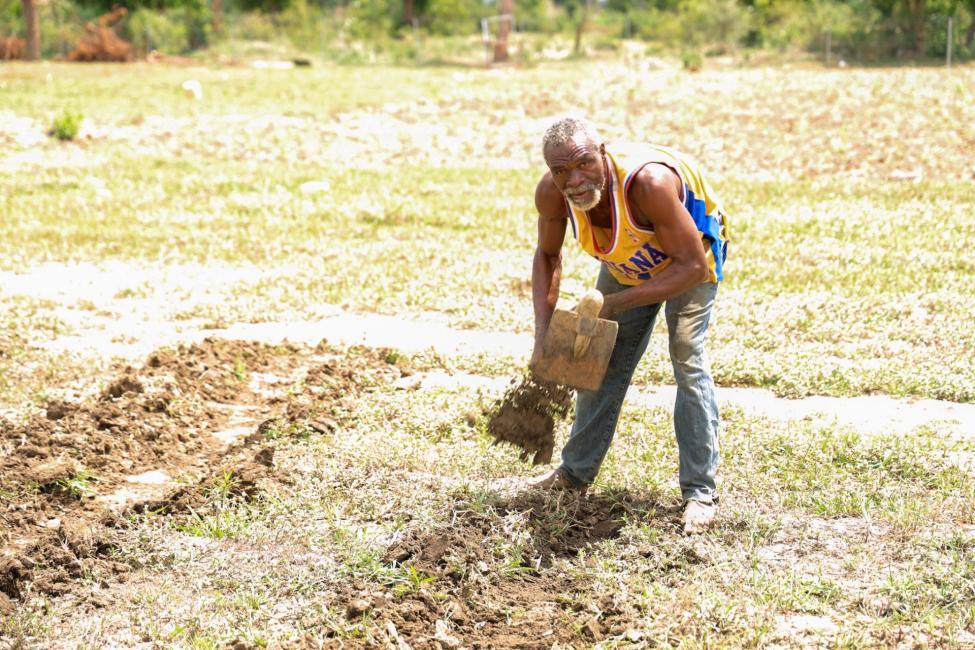
IOM Ghana is empowering farmers in border communities in the Northern region of the country.
Meet Mussah* (not his real name), a 66-year-old farmer residing in Pusiga, a border community in the Upper East Region of Ghana. Mussah’s life took a remarkable turn when he became a member of a Livelihood Project implemented in his community by the International Organization for Migration (IOM) Ghana – the fenced garden initiative. Mussah tells us his journey of transformation, from struggling to make ends meet to becoming a successful and self-sufficient farmer through the innovative practices of the community gardening project.
“I have over 12 years of experience in farming, and as you can see, I am currently ploughing the land to turn over the soil, to bring fresh nutrients to the surface to get ready for the rains and plant some cabbage. In the past, I have planted pepper, corn, onions, groundnut etc. so I know when to plant what crop to give the most yield for money,” said Mussah.
IOM Ghana, in collaboration with STAR Ghana Foundation, commenced the implementation of the Community Livelihoods Enhancement Project in September 2022 in three border communities; Pusiga, Kulungugu and Paga, in Ghana’s Upper East Region. Disturbances in neighbouring Burkina Faso, following attacks by violent extremists and non-state armed groups, have resulted in the influx of displaced persons into the northern parts of Ghana. As a consequence, border communities in those areas have become vulnerable to the potential infiltration and exploitation by violent extremist organizations owing to their historical socio-economic vulnerabilities, including rising youth unemployment and limited access to basic social services. The situation is further compounded by the activities of violent extremist groups in the Sahel region.
In response to these challenges in the north, IOM carried out a survey to understand the security perception and vulnerabilities of selected communities, including Pusiga, Kulungugu and Paga. Town hall meetings were organized in each community to discuss and validate the findings and recommendations of the survey. Dialogue platforms were established in the communities to help build trust and improve the relationship between the community members and local authorities and security services). The dialogue platforms also serve as a mechanism to work on some of the survey recommendations.
In consultation with community members and district assemblies, interventions that address the needs of the communities were identified: fenced gardens, mechanized boreholes and water pumps to support dry-season farming; drought-resistant improved seedlings and fertilizer, as well as agri-based skills training.
“We came up with the idea of the fenced gardens initiative, which together with the boreholes and water pumps, help especially our women and youth to have access to income generating activities all year round,” said Monica Mbatiig, a Dialogue Platform member in Pusiga.

It is expected that the livelihood support will lead to improved resilience and reduce the vulnerability of the communities to exploitation by violent extremist organizations.
“This project has not only empowered me as a farmer. It has also shown me that there are positive paths to success, inspiring me and others to resist the temptation of violent extremists,” said Mussah. “Thanks to the fenced garden, my life as a farmer has been completely transformed. I no longer worry about struggling to make ends meet. The increased income from my thriving garden has provided stability for my family and allowed me to even add a side hustle of rearing and selling domestic livestock.”
The fenced gardens will directly reach 90 participants (30 per community) and in-directly, about 500 beneficiaries. In Pusiga, the average garden size per participant is about 25 square kilometres.
“When I saw the fenced land, I was dumfounded. The fencing has been a game-changer for me. At first, we used wood, but cows are huge and can just push it over. We had to go into the bush to cut down trees to build the fence, else the cows would destroy the crops. Almost every week, I had to go into the bush looking for wood to fence the garden instead of using my time to weed or do something productive on the farm.”
Before joining the project, Mussah said, he had faced numerous challenges in his farming endeavours. Limited land availability, intrusion of donkeys, cows and goats, coupled with unpredictable weather patterns, and access to water all year round, made it difficult for him to cultivate crops efficiently. His income was meagre, and providing for his family was an everyday struggle.
“The materials used now for fencing are sturdy wire mesh and durable metal poles. This has provided a reliable boundary that protects my crops from unwanted intruders coming to harvest where they have not planted. This fencing not only secures my investments but also helps me implement better crop management practices. I can now strategically control livestock grazing on the farm because we need the cow dung as fertilizers, prevent crop damage from roaming animals, and create a more organized farming system. And it spares me time from going into the bush to cut down trees. It’s a simple, yet essential tool that enhances the overall productivity and efficiency of my farm.”
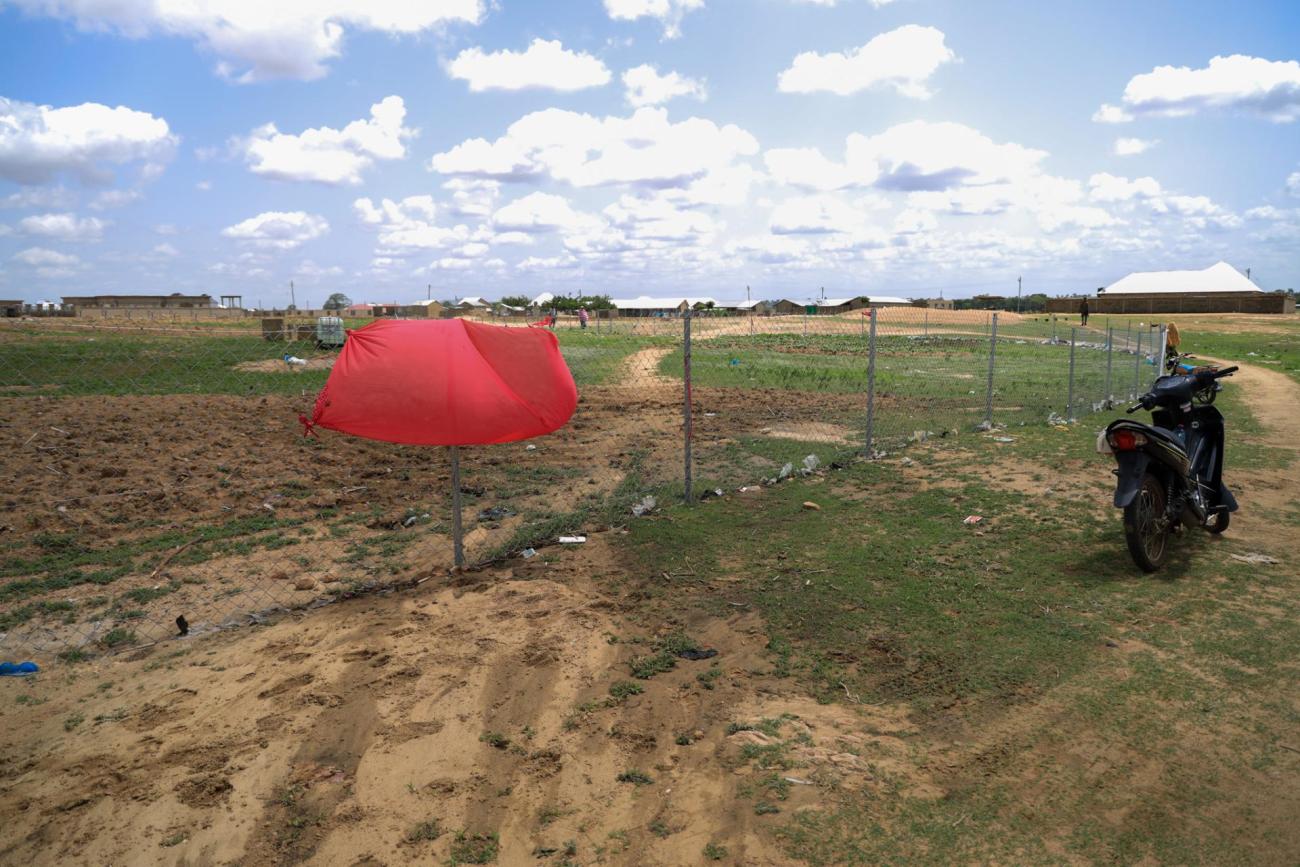
Mussah shared that he has already felt very profound impacts as he no longer relies on external inputs such as chemical fertilizers. Through the trainings he received through the project, he now uses organic farming practices, cultivates healthier crops contributing to improved food security for his family and the wider community. Thanks to the mechanized borehole and sustainable irrigation methods, he also has access to water all year round to sustain his farm, regardless of changing rainfall patterns which northern Ghana experiences due to climate change.
“When I was told that boreholes were added, I couldn’t believe it. Because all these things are exactly what we need as farmers in this part of Ghana! The mechanized boreholes have revolutionized my farming operations. Now, with reliable and consistent water supply, I no longer worry about the unpredictability of rainfall. These boreholes have become my lifeline, enabling me to irrigate my crops efficiently and maintain optimal moisture levels throughout the year. The access to water will also expand my farming possibilities, allowing me to cultivate high-value crops – and with this, all year round, whether rain or shine, I dey inside [*I can still farm]. In fact, this project has really really empowered me to farm with confidence and secure a more prosperous future. Thank you, IOM!”

Mussah’s success story exemplifies the power of innovative agricultural practices in empowering farmers and fostering resilient communities.
The project was made possible as part of the United Nations Trust Fund on Human Security (UNTHS) funded “Enhancing Community Resilience and Social Cohesion amongst Select Border Communities in Northern Ghana” project, and the “Enhancing border community stabilization along the northern land borders of Ghana” project funded by the Government of Japan.




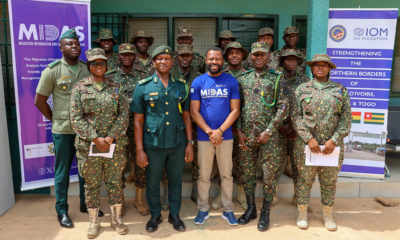


Osita Samuel Osemene a été élu président du Network Against Child Trafficking, Abuse and Labour (NACTAL) pour le mandat 2026-2030, remportant une écrasante majorité de 95,65 % des suffrages exprimés lors des élections du bureau exécutif national de l’organisation.
Osemene, qui avait été désigné par Patriotic Citizen Initiatives, a obtenu 44 des 46 suffrages valides exprimés, battant son adversaire, Nosakhare Agbonavbare Erhunmwunsee de la NAME Foundation, qui a obtenu deux voix, soit 4,35 %.
L’élection s’est déroulée électroniquement le 5 septembre 2026, les 46 électeurs accrédités ayant tous participé au scrutin. Le Comité électoral de NACTAL a enregistré 46 suffrages valides et aucun bulletin nul.
Dans sa déclaration officielle, le Comité électoral a indiqué avoir organisé le vote électronique et procédé à une vérification approfondie de tous les bulletins exprimés ainsi que des jetons de vérification avant de proclamer les résultats.
Le comité a ensuite déclaré Osemene dûment élu président national de NACTAL pour le mandat 2026-2030.
L’élection d’Osemene s’inscrit dans le cadre du renouvellement du Conseil exécutif national chargé de diriger les activités de NACTAL au cours de ce mandat de quatre ans.
Parmi les autres responsables élus figure Sarah David Ibi, de Women of Valour Initiatives for Development and Empowerment, qui a été élue sans opposition au poste de vice-présidente nationale avec 46 voix.
Enwelum Ogechukwu Uzoamaka, de Divine Era Development and Social Rights Initiative, a été élue secrétaire nationale avec 30 voix, soit 65,22 %, tandis que Lorrieth Nwafor, de Initiative for Social Change in Africa, a obtenu 16 voix.
Kalejaiye Olasunkanmi, de Global Promoters for Community Initiatives, a été élu sans opposition secrétaire national adjoint, recueillant la totalité des 46 voix.
Eunice Oghale Odeghe, de Female Drivers Association, a remporté le poste de secrétaire nationale aux finances avec 32 voix, tandis qu’Eunice Favour Eboatu, de Reachout Initiative for Vulnerable Africa Women, a obtenu 14 voix.
Ahmad Hashim, du Millennium Development Center de Gusau, a été élu sans opposition auditeur interne national avec 46 voix, tandis qu’Andrew Azubuike Duru, de Rarduja Development Organisation, a été élu responsable national des relations publiques, également avec 46 voix.
Adedeji John Oludare, de Betterliving Foundation & Capacity Development, a été élu sans opposition trésorier national, tandis qu’Aremu Samuel Adeniyi, de CSO for Conflict Resolution in Nigeria, a été élu conseiller juridique national. Les deux candidats ont obtenu la totalité des 46 voix.
Au niveau zonal, Eucheria Onyemaobi, de Zaram Life Foundation, a été élue coordinatrice pour le Sud-Est avec huit voix sur huit, tandis qu’Ejalonibu Ezekiel Agboola, de Livingspring Human Development Initiatives, a remporté le poste de coordinateur pour le Sud-Ouest avec sept voix sur sept.
Kabiru Musa, de Kebbi Sickle Cell Association, a été élu coordinateur pour le Nord-Ouest avec sept voix sur sept, tandis que Vera Roli Igbinadolor a été élue coordinatrice pour le Centre-Nord avec trois voix sur trois.
Le Comité électoral de NACTAL a certifié les résultats comme constituant un compte rendu fidèle, complet et exact des suffrages électroniques valablement exprimés lors des élections du Bureau exécutif national et des coordinateurs zonaux, tenues le 5 septembre 2026.

Osita Samuel Osemene has emerged President of the Network Against Child Trafficking, Abuse and Labour (NACTAL) for the 2026–2030 tenure, securing an overwhelming 95.65 per cent of the votes cast in the organisation’s national executive elections.
Osemene, who was nominated by Patriotic Citizen Initiatives, polled 44 of the 46 valid votes cast to defeat his opponent, Nosakhare Agbonavbare Erhunmwunsee of NAME Foundation, who secured two votes, representing 4.35 per cent.
The election was conducted electronically on September 5, 2026, with all 46 accredited voters casting their ballots. The NACTAL Electoral Committee recorded 46 valid votes and no invalid ballot.
In its official declaration, the Electoral Committee said it had conducted the electronic voting and thoroughly verified all cast ballots and verification tokens before declaring the results.
The committee subsequently declared Osemene duly elected as National President of NACTAL for the 2026–2030 tenure.
Osemene’s emergence was part of the election of a new National Executive Council to steer the affairs of NACTAL during the four-year tenure.
Other officers elected include Sarah David Ibi of Women of Valour Initiatives for Development and Empowerment, who emerged National Vice President unopposed with 46 votes.
Enwelum Ogechukwu Uzoamaka of Divine Era Development and Social Rights Initiative was elected National Secretary with 30 votes, representing 65.22 per cent, while Lorrieth Nwafor of Initiative for Social Change in Africa polled 16 votes.
Kalejaiye Olasunkanmi of Global Promoters for Community Initiatives was elected National Assistant Secretary unopposed with all 46 votes.
Eunice Oghale Odeghe of Female Drivers Association won the National Financial Secretary position with 32 votes, while Eunice Favour Eboatu of Reachout Initiative for Vulnerable Africa Women received 14 votes.
Ahmad Hashim of Millennium Development Center, Gusau, emerged National Internal Auditor unopposed with 46 votes, while Andrew Azubuike Duru of Rarduja Development Organisation was elected National Public Relations Officer, also with 46 votes.
Adedeji John Oludare of Betterliving Foundation & Capacity Development emerged National Treasurer unopposed, while Aremu Samuel Adeniyi of CSO for Conflict Resolution in Nigeria was elected National Legal Adviser, both securing all 46 votes.
At the zonal level, Eucheria Onyemaobi of Zaram Life Foundation was elected South-East Coordinator with eight out of eight votes, while Ejalonibu Ezekiel Agboola of Livingspring Human Development Initiatives won in the South-West with seven out of seven votes.
Kabiru Musa of Kebbi Sickle Cell Association emerged North-West Coordinator with seven out of seven votes, while Vera Roli Igbinadolor was elected North-Central Coordinator with three out of three votes.
The NACTAL Electoral Committee certified the results as a true, full and accurate account of the electronic votes validly cast in the National and Zonal Executive Elections held on September 5, 2026.
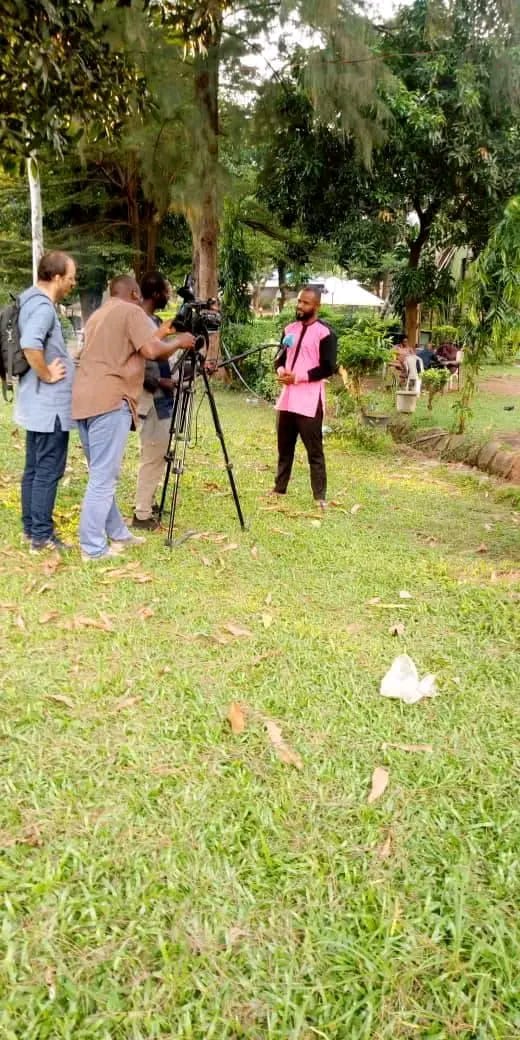
Comment Udekwe Kennedy Obinna donne une voix aux migrants et leur offre une chance de construire un avenir plus sûr
Pour de nombreux jeunes Nigérians, le rêve d’une vie meilleure à l’étranger peut être suffisamment puissant pour faire oublier les dangers qui jalonnent les routes de la migration irrégulière.
Derrière les promesses d’emploi, d’éducation et de prospérité se cachent des histoires de traite des êtres humains, d’exploitation, de violences, de détention et, dans certains cas, de décès sur des routes migratoires dangereuses.
C’est dans cette réalité difficile que Udekwe Kennedy Obinna, fondateur de Migrants Lives Matter (MLM), a développé une mission humanitaire : veiller à ce que les jeunes et les autres personnes vulnérables disposent des informations, de la protection et du soutien nécessaires pour éviter de devenir victimes de trafiquants et de réseaux favorisant des migrations dangereuses.
À travers Migrants Lives Matter, Obinna continue de défendre la sécurité, la dignité, les droits et le bien-être des migrants et des personnes vulnérables, en menant des campagnes de sensibilisation dans les écoles, les communautés et d’autres espaces où les populations sont particulièrement exposées à la désinformation, au désespoir et à l’exploitation.
Son message est simple, mais urgent : personne ne devrait avoir à perdre sa dignité, sa liberté ou sa vie dans la quête d’un avenir meilleur.
Porter le message auprès des jeunes
L’un des piliers les plus importants du travail de MLM consiste à atteindre les jeunes avant que les trafiquants et les agents de migration qui font de fausses promesses ne les approchent.
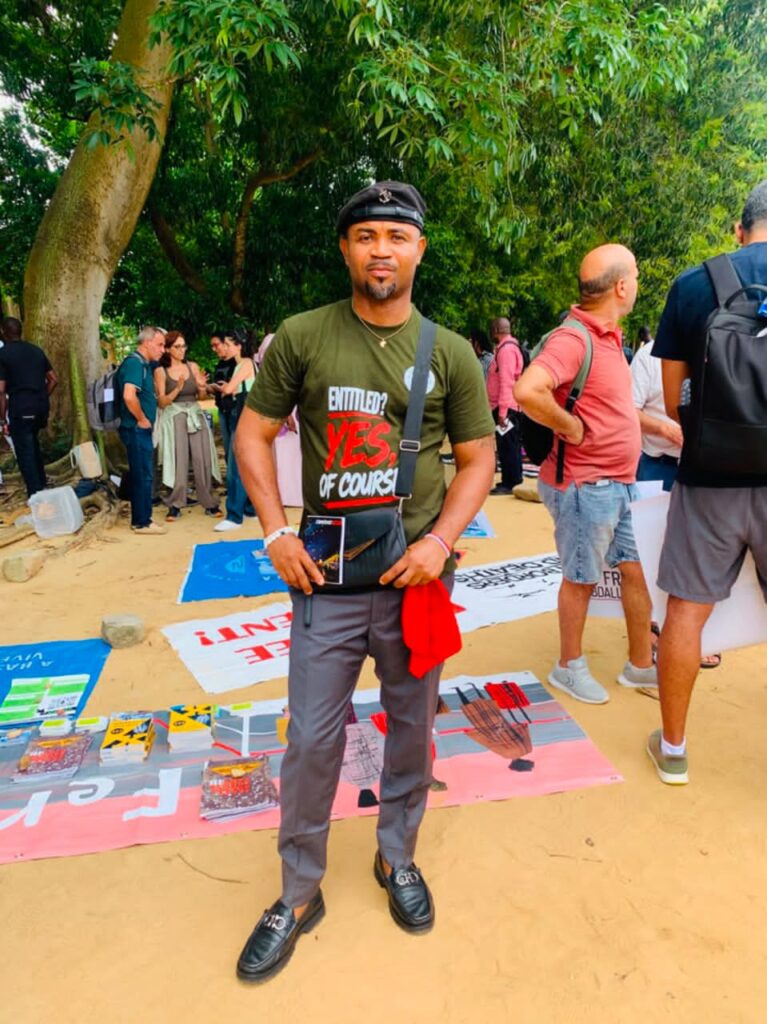
À Abuja et dans d’autres régions du Nigeria, l’organisation a organisé des ateliers de sensibilisation dans des établissements secondaires, afin d’informer les élèves sur les dangers cachés de la migration irrégulière et de la traite des êtres humains.
Ces séances ne se limitent pas à avertir les jeunes de ne pas voyager. Elles mettent en lumière les réalités souvent dissimulées derrière les offres attrayantes d’emploi et les opportunités à l’étranger.
Les élèves sont sensibilisés aux routes migratoires dangereuses, à l’exploitation, aux réseaux de traite et aux conséquences dévastatrices qui peuvent découler de décisions migratoires prises sans informations suffisantes.
Pour Obinna, la prévention commence par la connaissance.
En donnant aux élèves des informations fiables dès leur plus jeune âge, MLM cherche à leur permettre de reconnaître les signes avant-coureurs de la traite et de l’exploitation et de faire des choix éclairés concernant leur avenir.
Combattre les fausses promesses des trafiquants
Les trafiquants d’êtres humains prospèrent souvent là où règnent le désespoir, le chômage, la pauvreté et le manque d’information.
Ils exploitent les rêves.
La promesse d’un emploi bien rémunéré peut se transformer en travail forcé. Une offre d’aide pour faciliter un voyage peut devenir le début d’un parcours vers l’exploitation. Ce qui commence par l’espoir peut se terminer par des violences, des traumatismes et des pertes.
Migrants Lives Matter a fait de la lutte contre ces réalités une partie intégrante de sa mission, à travers des campagnes de sensibilisation à la migration et de lutte contre la traite des êtres humains.
L’organisation intervient auprès des écoles, des communautés et des populations vulnérables, en attirant l’attention sur les méthodes utilisées par les trafiquants et sur les dangers liés à la migration irrégulière.
À travers ses campagnes, MLM promeut une migration sûre, informée et régulière, encourageant les candidats à la migration à rechercher des informations fiables et à comprendre les risques avant de prendre des décisions susceptibles de changer leur vie.
L’objectif n’est pas de condamner les aspirations de ceux qui souhaitent migrer, mais de contribuer à faire en sorte que leurs rêves ne deviennent pas des voies menant à l’exploitation.
Au-delà de la sensibilisation : créer des alternatives
La vision humanitaire d’Obinna reconnaît également que la sensibilisation, à elle seule, peut ne pas suffire.
Pour un jeune confronté au chômage, aux difficultés financières ou à des opportunités limitées, connaître les dangers de la migration irrégulière ne suffit pas automatiquement à éliminer les pressions qui rendent ces voyages attrayants.
C’est pourquoi l’autonomisation des jeunes, leur engagement, le développement des compétences et les initiatives en faveur des moyens de subsistance font partie intégrante de la réponse plus large de MLM.
L’organisation cherche à aider les jeunes à prendre des décisions éclairées en matière de migration et d’emploi, tout en favorisant des opportunités susceptibles de réduire leur vulnérabilité face aux trafiquants et aux réseaux d’exploitation.
En encourageant l’acquisition de compétences et le développement de moyens de subsistance, MLM espère s’attaquer à certaines des conditions qui poussent les personnes vulnérables vers des routes migratoires dangereuses et incertaines.
Il s’agit d’une approche qui considère la prévention non seulement comme le fait de dire aux gens ce qu’ils ne doivent pas faire, mais aussi comme un moyen de les aider à identifier des alternatives plus sûres et plus durables.
Atteindre les communautés, protéger les personnes vulnérables
Le travail de Migrants Lives Matter dépasse les salles de classe.
À travers des programmes de proximité communautaire, l’organisation aborde les questions liées à la traite, à l’exploitation, à la migration irrégulière et aux droits des migrants, tout en encourageant les communautés à devenir des acteurs actifs de la protection des personnes vulnérables.
L’organisation fournit également une protection et un soutien en matière d’orientation aux migrants vulnérables et aux victimes, en mettant les personnes dans le besoin en relation avec les services d’aide appropriés et les institutions compétentes lorsque celles-ci sont en mesure d’apporter leur assistance.
Pour les survivants et les migrants vulnérables, le chemin vers la reconstruction peut être difficile. Les interventions de MLM comprennent également, selon les ressources disponibles, un soutien à la réintégration, dans le cadre des efforts visant à aider les personnes touchées à reconstruire leur vie.
L’organisation comprend que sortir une personne de l’exploitation n’est que le début. Les survivants peuvent encore avoir besoin de protection, de soutien, de compétences et d’opportunités afin d’éviter d’être à nouveau exposés à des situations de vulnérabilité.
Donner une voix aux migrants
Au cœur du travail d’Obinna se trouve un engagement en faveur des droits et de la dignité des migrants.
Migrants Lives Matter continue de plaider pour une meilleure sensibilisation du public aux droits des migrants, la prévention de la traite des êtres humains et la nécessité de mettre en place des systèmes migratoires plus sûrs.
L’organisation mène également des recherches et documente les défis liés à la migration et à la traite des êtres humains au Nigeria, contribuant ainsi à une meilleure compréhension des expériences et des risques auxquels sont confrontés les migrants et les populations vulnérables.
À travers des partenariats avec des écoles, des agences gouvernementales, des organisations de la société civile, des dirigeants communautaires et d’autres acteurs, MLM cherche à construire un réseau plus solide de protection et de réponse.
La conviction est que la lutte contre la traite des êtres humains et les migrations dangereuses ne peut être remportée par une seule organisation.
Elle nécessite des communautés informées, des institutions réactives, des jeunes autonomisés et des survivants bénéficiant d’un accompagnement.
Une mission humanitaire porteuse d’un message clair
À une époque où les récits de Nigérians et d’autres Africains tombant entre les mains de trafiquants ou risquant leur vie sur des routes migratoires dangereuses continuent de susciter des inquiétudes, le travail porté par Udekwe Kennedy Obinna à travers Migrants Lives Matter véhicule un message de prévention, de protection et d’espoir.
Ses interventions reposent sur la conviction que chaque jeune doit avoir accès à des informations fiables avant de prendre une décision concernant la migration, que chaque victime mérite protection et soutien, et que chaque migrant mérite de voir sa dignité et ses droits respectés.
À travers la sensibilisation dans les écoles, l’engagement communautaire, le plaidoyer, l’autonomisation des jeunes, la protection, l’orientation vers les services appropriés, la recherche et la collaboration, Migrants Lives Matter construit progressivement une réponse à certains des défis humanitaires liés à la migration et à la traite des êtres humains au Nigeria.
Pour Obinna, la mission va finalement au-delà de la migration.
Il s’agit de protéger les rêves afin qu’ils ne se transforment pas en tragédies.
Il s’agit de faire en sorte que la vulnérabilité ne devienne pas une opportunité pour les trafiquants.
Et il s’agit de donner aux jeunes et aux personnes vulnérables quelque chose qui pourrait les sauver de l’exploitation et du danger : la connaissance, le soutien et le pouvoir de choisir un avenir plus sûr.

Osemene promet un leadership inclusif et une action renforcée contre la traite en tant que président élu de NACTAL

Osemene pledges inclusive leadership, stronger anti-trafficking action as NACTAL President-Elect

Osita Osemene élu président de NACTAL avec 95,65 % des voix
Osita Osemene emerges NACTAL president with 95.65% votes

Réintégration ou façade ? Les migrants nigérians de retour remettent en question la promesse d’un nouveau départ
-

 News Extra3 weeks ago
Des manifestations éclatent après la mort de migrants dans le naufrage d’un bateau
-
 News Extra3 weeks ago
Alarm Phone rend hommage aux migrants morts en Méditerranée et exige des voies de passage sûres
-

 Interviews2 weeks ago
Oluwagbolahan Oluwatobi: Connecting Visa Advisory, Migration and Social Impact
-

 News Extra2 weeks ago
BOZA FII exige la fin des refoulements financés par Frontex et appelle à une justice migratoire
-
News3 weeks ago
Alarm Phone pays tribute to migrants who died crossing Mediterranean, demands safe passage
-
 News1 week ago
Senegalese activist turns brother’s death on Atlantic migration route into campaign for change
-

 News Extra2 weeks ago
Human rights advocate Mwanje calls for end to ‘cash-for-containment’ deals at World Social Forum
-
News3 weeks ago
Protests as migrants die after boat capsized