
News Extra
2 years since the Pylos state crime: we make our tears a sea of anger- Alarm Phone

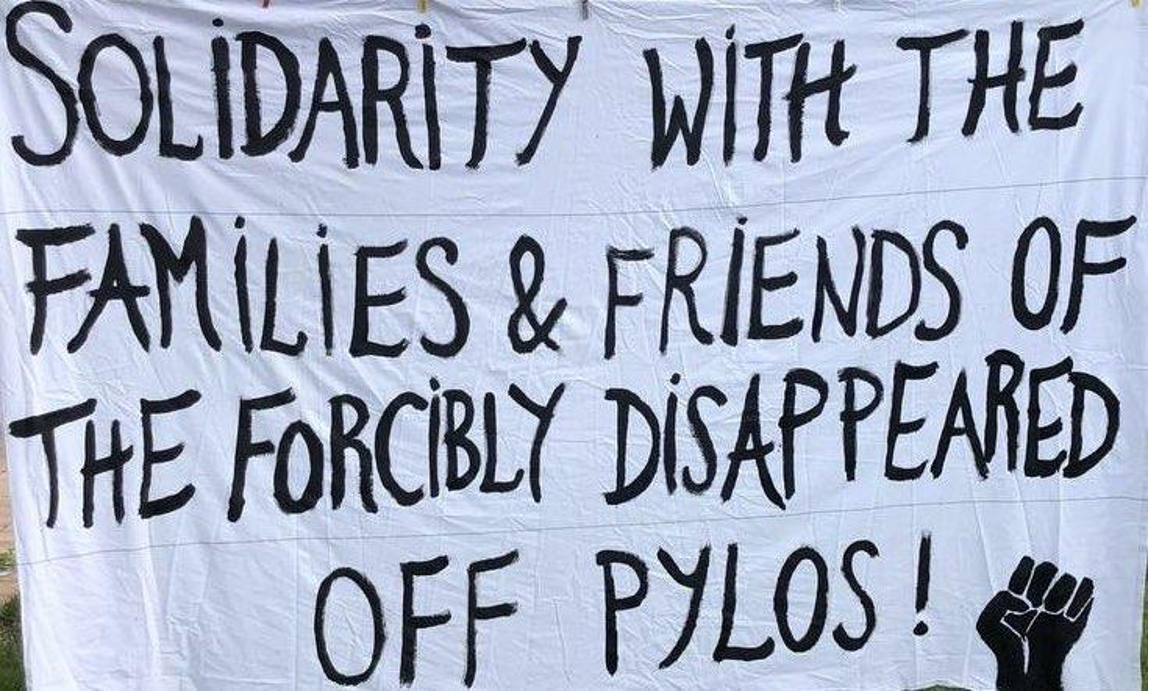
Source: Alarm Phone
14:17 CEST on June 13, 2023: Alarm Phone received the first call from the Adriana, an overcrowded boat in distress carrying about 750 people that departed from Libya towards Europe. In the hours that followed, our volunteers alerted competent authorities and attempted several times to reach the people in distress, some times successfully and others not. It became evident that the boat was unstable and that the people needed rescue urgently.
For us, it was also evident that the past actions of the Hellenic Coast Guard, which we witnessed multiple times in that region, could have lethal consequences for such an overloaded boat. To our great horror, the crime we feared could happen, took place in the early morning hours of June 14, 2023. The boat capsized. Only 104 of the estimated 750 people on board survived. More than 600 people were killed that night.
In a blatant attempt to absolve themselves of any responsibility, the Hellenic Coast Guard – with the support of the Greek government – staged false accusations against 9 Egyptian survivors for ‘smuggling’ and causing the shipwreck. But similar to other recent state crimes in Greece, it was due to the tireless work of the survivors, the families of the disappeared, lawyers, journalists and civil society that the false narrative crumbled.
In December 2024, investigative journalists revealed that Egyptian authorities had informed their Greek counterparts that the nine survivors of the Pylos shipwreck were not members of the smuggling network. Yet, the nine Egyptian men stayed behind bars for a year.
In February 2025, the Greek account of the deadly shipwreck was challenged by leaked phone recordings, in which an “unnamed man speaking from inside a Greek rescue coordination centre is heard instructing the captain of the migrant boat to tell an approaching ship that those onboard do not want to reach Greece”.
In May 2025, the lawyers representing the survivors and victims of the shipwreck were informed of the criminal prosecution and referral to main investigation on felony charges against 17 members of the Hellenic Coast Guard, including senior officers of its leadership.
On the 28th of February 2025, two years since another state crime that claimed 57 lives when two trains crashed in Tempi, Greece, the families of the Pylos victims sent a message of solidarity to the families of the Tempi victims:
A SALUTATION TO THE RELATIVES OF THE VICTIMS OF TEMPI FOR THE RALLIES ON 28 FEBRUARY
Dear relatives of the 57 people, students and workers who were taken from you when the trains collided in Greece on 28 February, WE ARE WITH YOU!
We share the pain in our souls and hearts because our loved ones on the boat Adriana in Pylos were also lost. Our tears have not stopped for two years now. We feel you as our own people.
We are mothers, brothers and sisters, children of the 750 migrants who put their dreams of a better life on a ship that sank in the Mediterranean. The mothers, fathers, brothers and sisters of the victims from Pakistan, Syria, Egypt, Palestine join you in mourning on 28 February.
We also join our voices with you for justice, to punish the murderers. For us to finally get an answer: Where are our people, who are those lying to us?
Don’t all people’s lives count? Don’t the lives of migrants count? Our condolences to all of you. And to the family of Mia Mohammad Idris, the migrant worker from Bangladesh who died in the Tempi train. All over the planet they are spreading fear, hatred. Our governments want us to work as slaves in Europe and America but they persecute us at the borders, lock us up in camps and the far right that is rising is murdering people in the streets.
That’s why we will also stand against injustice, wars, racism worldwide and on March 22 we will mobilize everywhere. Thank you for your support. We share the same pain.
Let’s make our tears a sea of anger at the injustice that is killing our children.
Strength and vindication for your struggle.
Two years later, we are still full of grief and let our tears join the sea of anger at the injustice that continues to kill people. Alarm Phone stands together with a growing number of people who call for justice and are mobilising throughout Greece and beyond to commemorate those who forcibly disappeared on board the Adriana.
We do not forget! We do not forgive!
United in solidarity – Freedom of movement and equal rights for all!




News Extra
Ukraine: 87 per cent of displaced households have had to take at least one difficult step to cope
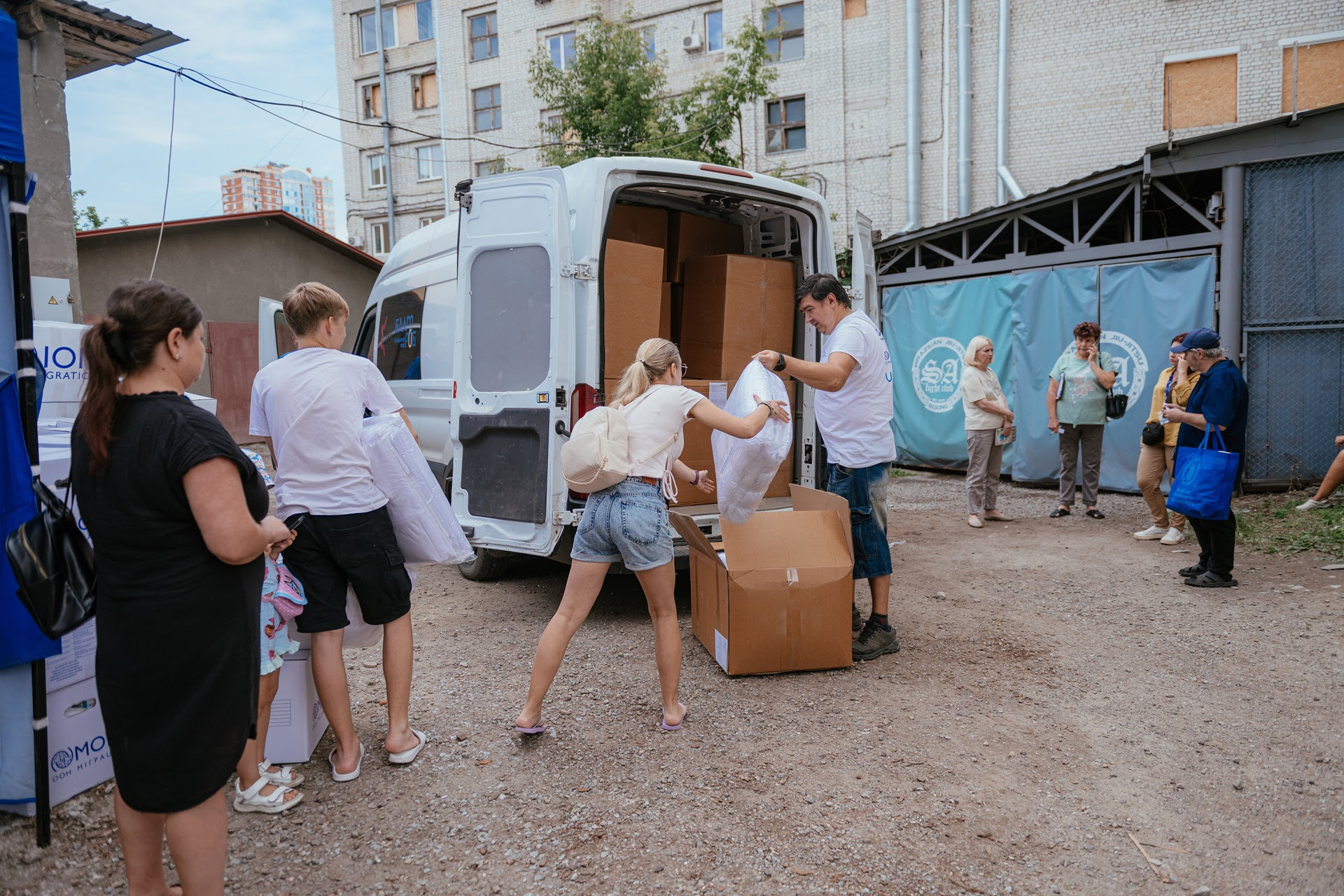
An estimated 3.9 million people remained internally displaced in Ukraine as of June 2026, according to a new report by the International Organization for Migration (IOM). While the number of internally displaced people has stayed at around 12 per cent of the population since 2023, the report shows that the longer displacement persists, the more families are struggling to meet their basic needs.
Nearly seven in ten internally displaced people have now been away from home for more than two years, underscoring the increasingly protracted nature of displacement in Ukraine. New displacement is also still happening: an estimated 132,000 people were forced to leave their homes between January and June this year alone.
“Stable displacement figures should not be mistaken for stable living conditions,” said Dejan Keserovic, Deputy Chief of Mission at IOM Ukraine. “Many displaced families are exhausting their savings, reducing essential expenses, including health care, and moving into less adequate housing as they try to meet their basic needs. Sustained support remains essential to help people regain stability and make informed, voluntary choices about their future.”
The report found that 87 per cent of displaced households have had to take at least one difficult step to cope. The most common include using up savings (75%), cutting back on utilities (59%) and reducing health spending (53%). One in five households also reported moving to lower-quality housing, while 17 per cent have fallen behind on rent.
The pressure has been building steadily — last winter’s harsh weather and long power and heating outages hit already-vulnerable families particularly hard.
Safety remains the biggest factor in people’s decisions about the future: 82 per cent of internally displaced people say they only want to return home once the fighting stops. At the same time, more people are considering settling permanently where they now live — interest in local integration increased from 51 per cent in March to 58 per cent in June 2026, highlighting the need to support displaced families wherever they are, while still keeping an eye on the risks of people returning too soon or unsafely.
Around 2.15 million individuals – 56 per cent of all those displaced in Ukraine – originally came from areas that were fully or partly occupied at the time of the survey. This group has faced longer displacement, greater hardship, and fewer options for going home.
The findings show why emergency aid alone isn’t enough. People need longer-term support with housing, jobs, health care, protection, and other essential services — so they can make informed, voluntary choices, whether that means settling where they are, moving elsewhere, or returning home safely once conditions allow.
The report is based on IOM’s latest survey of the Ukrainian population, carried out between 23 April and 30 June 2026, with support from the Government of Canada, the European Union, Sweden, and the Ukraine Humanitarian Fund.
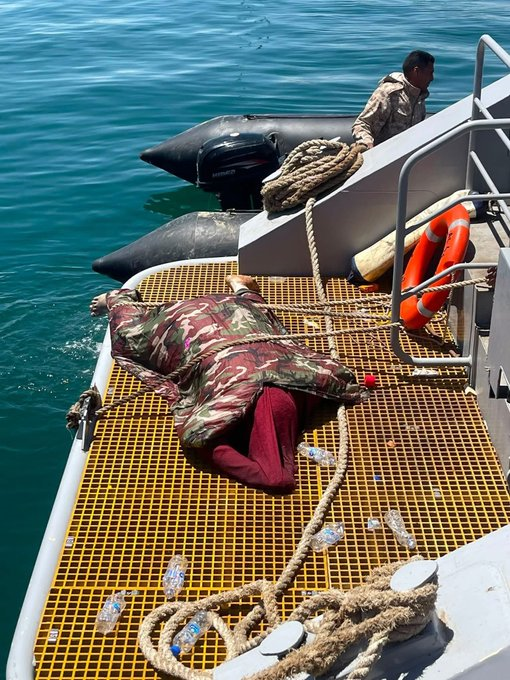
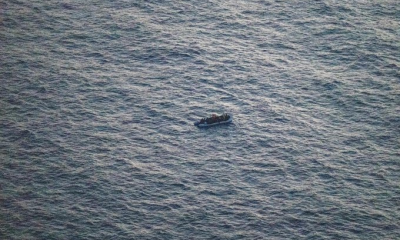
The Executive Director of Refugees in Libya, David Yambio, has mourned the death of a migrant whose body was recovered off the coast of Benghazi after reportedly being stranded at sea for 14 days, describing the incident as a stark reminder of the dangers faced by people fleeing conflict and persecution.
In a post on X, Yambio reflected on his own experience in Libya, saying that while detained in the North African country, he had often hoped that, if he were to die, it would be at sea rather than at the hands of violent militias.
According to him, the sea represented the only place where many migrants retained a sense of dignity, as they risked everything in pursuit of safety and international protection.
Yambio questioned what he described as a deeper humanitarian tragedy, arguing that many people seeking refuge would rather face the dangers of the Mediterranean than remain exposed to violence by armed groups in Libya.
He also criticised what he called Europe’s role in arming militias and accused African leaders of remaining silent in the face of abuses against migrants.
The activist said the photograph accompanying his post showed one of several people seeking protection who had been stranded at sea for two weeks. He noted that the man’s body, along with those of two others, was recovered off the coast of Benghazi a few days ago.
Ending his post on a poignant note, Yambio said the deceased asylum seeker had been portrayed as an “invader,” underscoring what he believes is the dehumanisation of migrants fleeing in search of safety.
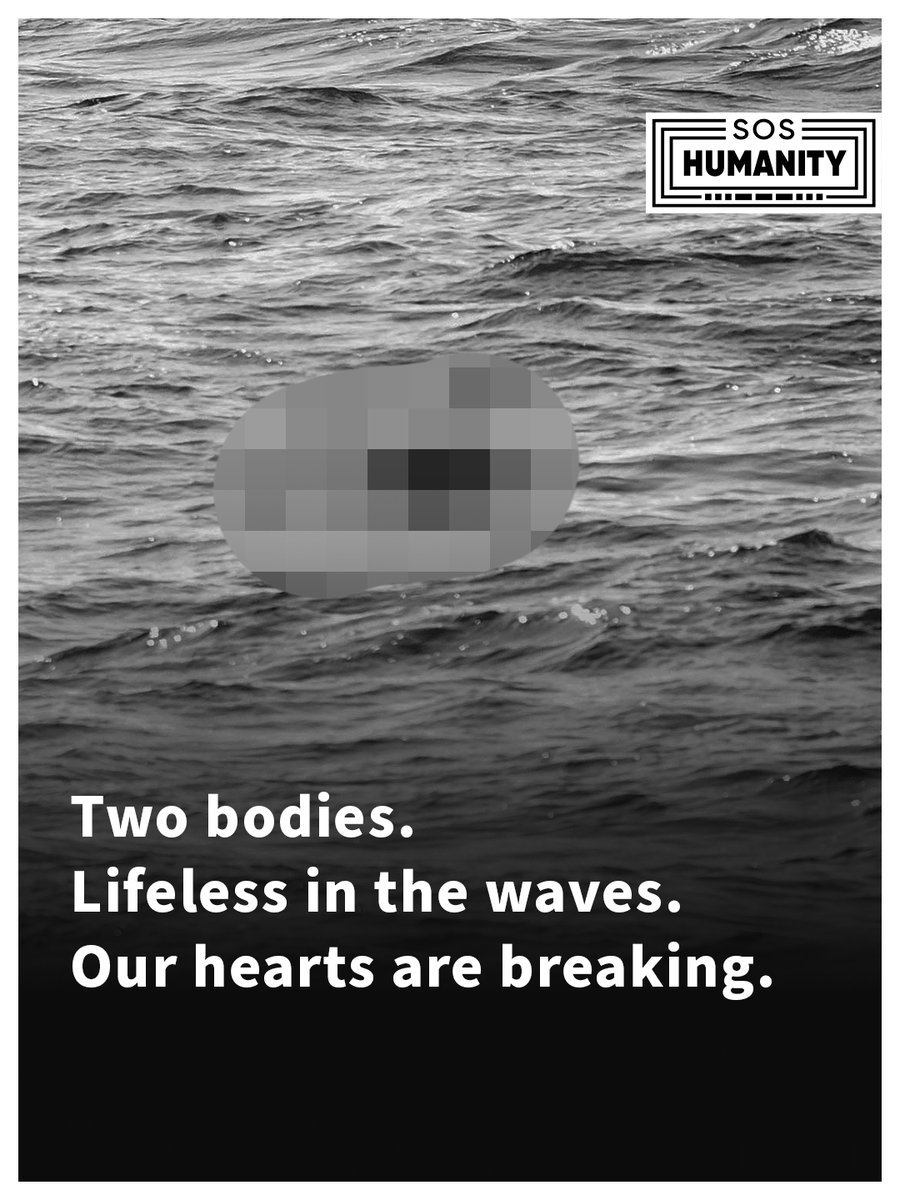
At least 50 migrants are feared dead or missing after a boat carrying about 60 people capsized off the eastern coast of Libya while attempting to cross the Mediterranean Sea to Europe, authorities have said.
The vessel overturned on Tuesday near Bardaa Island, off the coastal city of Tobruk, according to the Coast Guard in eastern Libya.
Officials said 10 passengers, including some women and children, survived by swimming to Bardaa Island. Search and rescue operations were still ongoing as authorities continued efforts to locate the remaining passengers.
The latest disaster is another in a series of deadly shipwrecks involving migrants departing from Libya, a major transit hub for people seeking to reach Europe in search of safety and better economic opportunities.
Just last month, another migrant boat sank off eastern Libya, leaving 51 people dead or missing.
Since the 2011 NATO-backed uprising that overthrew longtime ruler Moammar Gadhafi, Libya has remained politically unstable, making it a key departure point for migrants fleeing conflict, persecution and poverty across Africa and the Middle East.
Human traffickers frequently load migrants onto overcrowded and unseaworthy boats for the dangerous Mediterranean crossing, a route that has claimed thousands of lives over the years and remains one of the world’s deadliest migration corridors.

Migration Won the 2026 World Cup. It Is Still Treated Like a Crime at the Border

Ukraine: 87 per cent of displaced households have had to take at least one difficult step to cope

IOM assists over 3,500 victims of trafficking across 39 countries

ICC confirmation of 17 charges against El-Hishri draws praise from rights groups

Expert raises questions over UNHCR’s strategic direction after new leadership appointments
-

 News3 weeks ago
IYAMIDR commends Okpebholo for ₦1m support to South Africa returnees
-

 News Extra3 weeks ago
Solomon Okoduwa: An accomplished migration expert champions reforms, diaspora engagement
-
 Uncategorized3 weeks ago
Venezuela: IOM delivers support via in-kind cargo flight funded by DHL’s Disaster Response Team
-
 Features3 weeks ago
Sixth batch of Nigerians stranded in South Africa return home
-
 News3 weeks ago
‘AI has potential to transform humanitarian action’
-

 News Extra2 weeks ago
50 die as boat carrying about 60 people capsizes
-
 News3 weeks ago
Over 200 migrants intercepted in Sirte, Tobruk
-
 News Extra2 weeks ago
‘Eight people die in the Mediterranean per day’