
Uncategorized

Flavours from Home : Eight restaurants, cafés and bistros bringing refugees’ recipes to Belgium, Luxembourg
If you’re out and about in Belgium and Luxembourg this Summer, why not grab a bite to eat at a refugee-led restaurant, cafe or bistro? For World Refugee Day 2023, UNHCR Brussels is bringing you just a selection of the many inspirational businesses around Belgium and Luxembourg built by or employing refugees. This is just a snapshot and if you visit or have been to another establishment we’ve missed, why not tag us on Twitter at @Refugees_EU and tell us more!
Belgium
Stella Specialty Coffee Bar
Bassel and his team serve up a variety of rare and interesting coffees at this popular breakfast spot in Brussels, while loveable sheepdog Stella greets human and canine café-goers alike. The usual cappuccinos and americanos feature alongside more unique inventions – try a lemongrass or rosewater latte. Teas, smoothies and a tantalizing selection of homemade pastries complete the picture. For the full experience, ask the barista what special coffees they have – these change week by week. Well-placed between the Saint-Gilles and Chatelain quarters, Stella is often abuzz with friendly chat as regulars and commuters stop by for breakfast or a caffeine fix. Bright but cosy, the relaxed atmosphere makes for a coffee break you’ll never want to end.
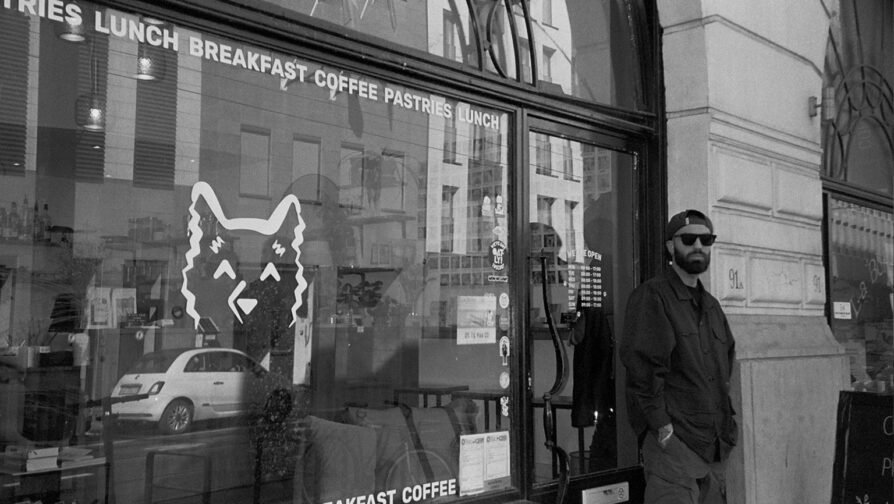
© Laura Benocci
We Exist
“Made by Syrians – for everyone” is the motto emblazoned on the windows of We Exist in Brussels- a unique restaurant, catering company and NGO rolled into one. The project was born when co-manager Obada first combined his mother’s timeless recipes with his own entrepreneurial streak, hosting a “Syrian Dinner” event at the Brussels Quaker House. ‘We Exist’ soon grew into not only a successful catering company with many local and international clients, but also a valuable hub for newcomers to access the labour market. On the back of their catering success, Obada and the team also opened the doors of a bright and welcoming restaurant space just a stone’s throw from Brussels’ Botanical Gardens. House favourites include, among others, the Syrian-style maklubeh and the variety of traditional homemade mezzes.
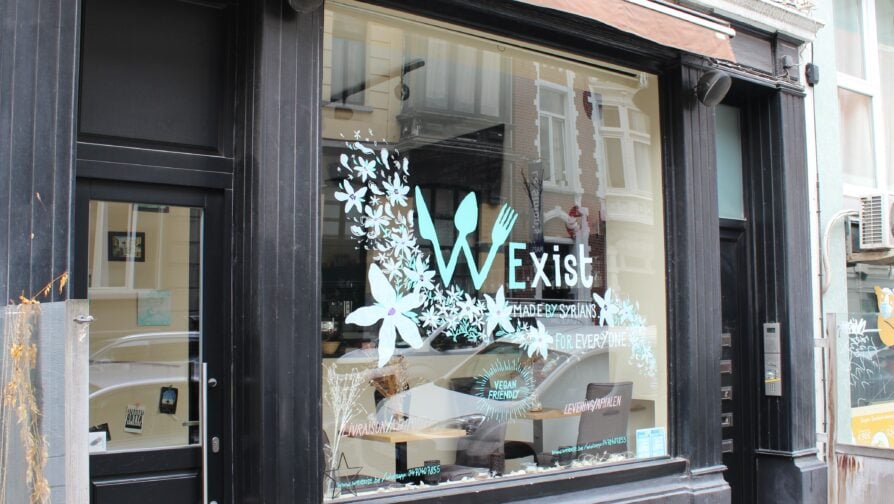
© UNHCR/Benjamin Mason
La Fourna
Located in Tour & Taxis to the north of Brussels, La Fourna serves up a unique, vegetarian blend of Middle-Eastern and African cuisine. The restaurant was opened by Belgian local Hilde in 2020, with the aim of employing and empowering women with migrant backgrounds, including refugees and asylum-seekers. The staple dish at La Fourna is their hand-stretched, hand-baked flatbread, cooked fresh on a searing hotplate. Bread lends itself to sharing, says Hilde, and every culture has its own techniques – La Fourna’s chefs contribute their own home recipes and flavours with a range of spreads and side dishes to accompany the flatbread. The team’s newest member Rachel hopes to see dishes from her home country Ethiopia on the menu soon, but for now highly recommends the baba-ganoush. The spacious inside terrace and leafy décor make La Fourna the perfect lunch spot, but for Rachel and others it represents much more than that: the chance to access to the labour market and forge friendships through a community of strong, supportive women.
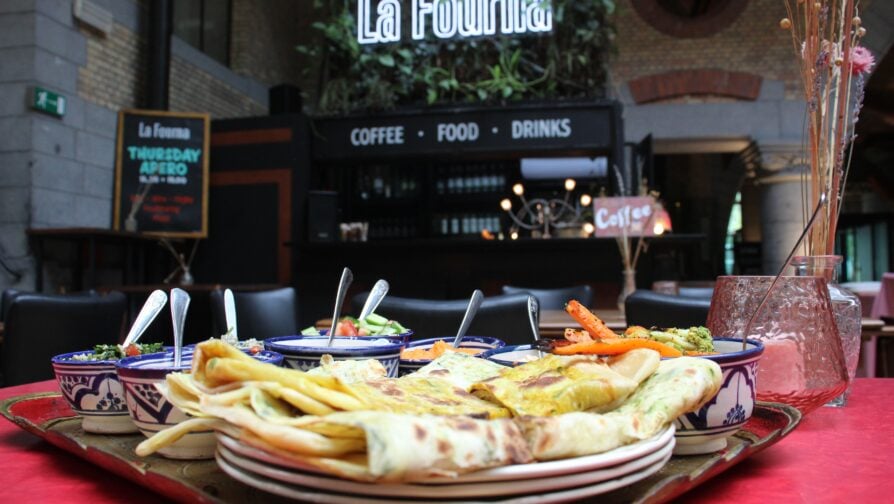
© UNHCR/Benjamin Mason
Baalbeck
Located in the heart of Mons in southern Belgium, this classic Eastern-Mediterranean restaurant takes its name from the owner’s home town in Lebanon. Behind the elegant granite façade, a wide selection of mezze dishes cater for all tastes – vegetarians and meat-eaters alike will find plenty to choose from here. Among the chefs working their magic in the kitchen is Syrian refugee Kamal – his work at Baalbeck has been a source of stability and a great opportunity for integration. As much as Kamal enjoys cooking, outside the kitchen his true passion is football. Kamal will be representing Belgium in a team of refugees and locals at the 2023 Unity Euro Cup in Frankfurt this 28 June – proud to wear the badge of his adopted country.
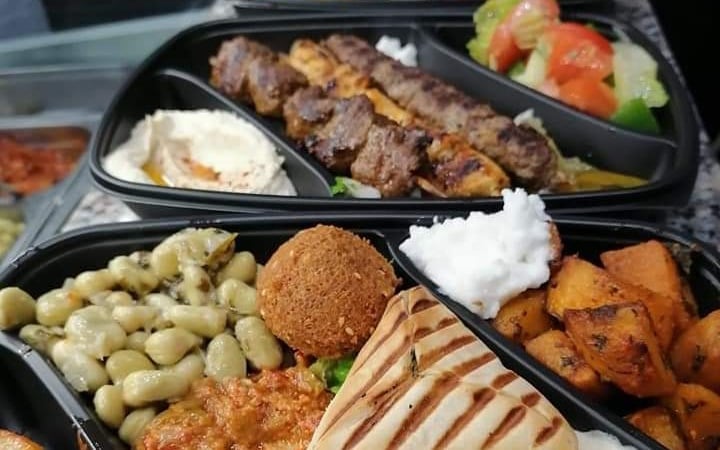
© Baalbeck
Knit & Drink
When Anna fled the war in Ukraine and arrived in Belgium in March 2022, little did she know that a year later she would be combining her passions for mixology and knitting in her own unique pop-up bar. When the town of Puurs-Sint-Amands in the province of Antwerp made a high-street building available for a one-year pop-up venue, Anna didn’t hesitate for a second to apply – « I am fearless ever since the war broke out, » she says. Knit & Drink opened its pastel-pink doors in April, and while you won’t find the standard soft drink or beer on the menu, the choice is yours between bespoke cocktails, homemade lemonades and pastries, Ukrainian red berry teas, and unique coffees such as the iced banana latte. In addition, knitting enthusiasts are encouraged to work on their projects over coffee and a slice of cake, or browse Anna’s own line of textile products. Everything Anna does for her pop-up bar, she does with love: « I’ve had a tough year, but thanks to Knit and Drink, I have something to look forward to every day again. »
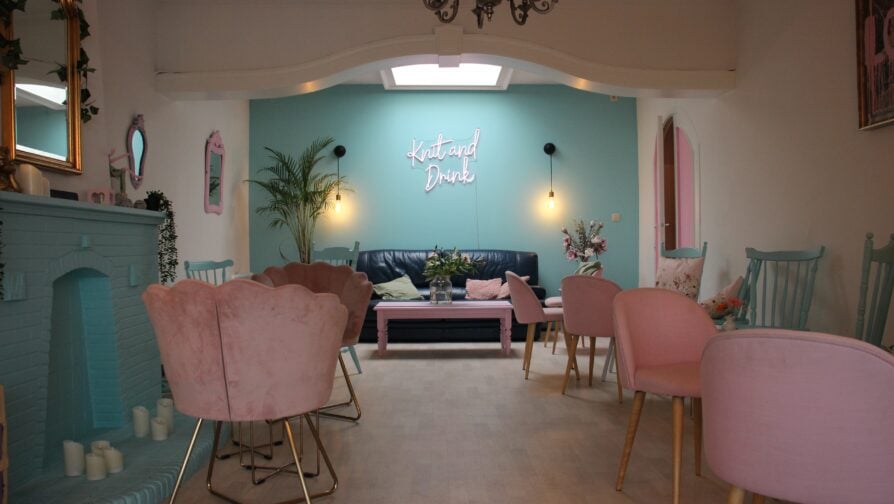
© UNHCR/Benjamin Mason
Safari
As a young girl in the Democratic Republic of the Congo (DRC), Sandra inherited her passion for cooking from her mother and grandmother, and learned from a young age that food brings people together. When she arrived in Belgium in 2005 as a refugee from DRC, cooking and food remained a common thread – with the aromas of Sandra’s family recipes captivating her neighbours at the reception-centre and helping her forge new friendships in her new home. In March 2023, she was able to fulfill her dream and open the first African restaurant in Limburg, just a stone’s throw from Hasselt train station. With specialties such as grilled goat, cassava leaves, grilled fish and fried plantains, Sandra brings authentic Congolese cuisine to your plate in Safari restaurant.

© UNHCR/Angèle Bertrand
Frozen Art
Antwerp’s newest ice cream shop, Frozen Art, brings shiryakh – traditional Afghan ice cream made of cream, milk and fresh cardamom – to Belgium. Its owner Assadullah fled his country over a decade ago and arrived in Belgium as an unaccompanied child refugee. “Belgium has given me so much and I wanted to give something back,” Assadullah reflected. Each morning, Assadullah’s day begins with a labour of love to prepare the ice cream mixture which he whips up in front of his customers in a deep, cooled iron pot, until the ice cream takes shape. An array of toppings – from blueberries, chocolate chips to a crunch of almonds – transform each scoop into a masterpiece of flavor. Assadullah’s favorite topping? A combination of qaimaq (condensed milk), pistachio and mango.
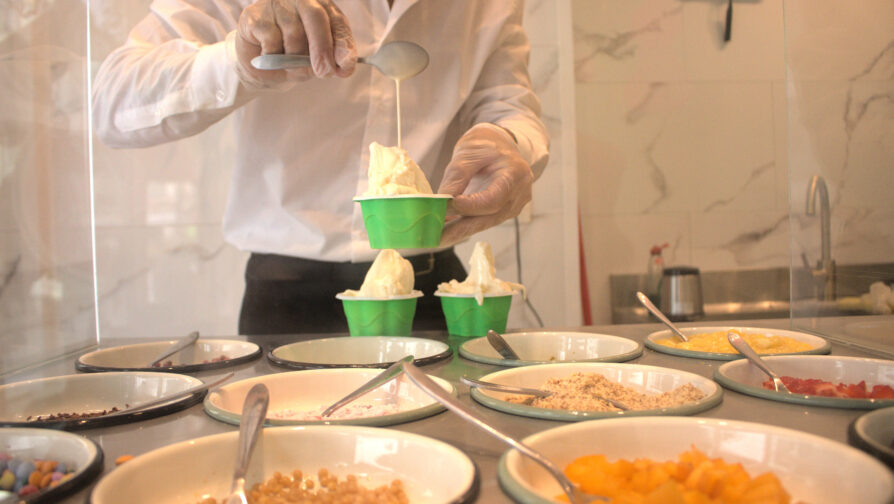
© Julieta Hisi/UNHCR
Luxembourg
Chiche!
Tucked beneath an ordinary-looking apartment block in the Limpertsberg quarter of Luxembourg City, this vibrant restaurant fosters social inclusion while serving up authentic Lebanese cuisine. A social project launched by Luxembourger Marianne Donven in 2017, Chiche! provides a foothold for refugees and migrants, facilitating access to employment, education and integration. Long-serving staff member Ihab reflects on the diversity which keeps Chiche! in business: “In Chiche! you get refugees from many countries, from many cultures.” Since opening its doors, Chiche! has proved a success on all fronts, with three more locations opening up in addition to the sizeable flagship branch. Up-cycled décor, artwork and antique furniture create a cozy and convivial atmosphere, as locals and expats alike flock to sample house favourites such as the falafel and chiche taouk.
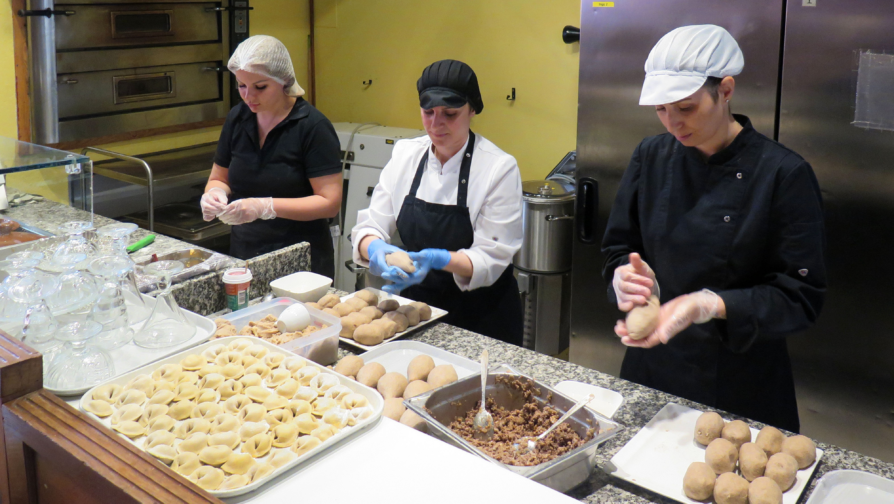
© UNHCR/Frederik Bordon
Bamyan
Taking its name from a historic city and province in the snow-capped mountains of central Afghanistan, Bamyan is a family-run restaurant bringing authentic Afghan cuisine to the banks of the Alzette river in Luxembourg. An attractive south-facing terrace offers idyllic views of Luxembourg’s skyline, the river and a nearby viaduct – perfect for warmer evenings. Indoors, the rustic brick archways and contemporary artwork combine in a trendy, welcoming ambiance. Luxembourg’s first Afghan restaurant, Bamyan was opened in 2022 by two couples – the Modasir’s and Etemadi’s – with the aim of introducing the diverse local population to real Afghan delicacies. Specialities include the Ashak – vegetable dumplings topped with lentil sauce – and the Qabuli – an aromatic rice dish with marinated beef and caramelized carrots.
Culled from UNHCR website

Refugees in Libya, an organisation advocating for refugees and migrants, has raised concerns over the alleged sexual harassment of a young Black refugee girl by a taxi driver in Tripoli.
In a post published on X on August 23, the organisation identified the alleged perpetrator as Ali, also known by the nickname “Al-Boura,” and said he is a resident of Qasr Bin Ghashir, Tripoli.
According to Refugees in Libya, the incident occurred on August 17 when Ali allegedly sexually harassed the girl, who the organisation said was a minor.
The organisation said the girl repeatedly asked the driver to stop and told him that she was underage and did not consent to his touching her. Despite her objections, the driver allegedly continued.
Refugees in Libya said the girl recorded and later shared a video of the incident on TikTok because she was afraid to report the alleged crime through official channels.
The organisation claimed that reporting such an incident could expose the refugee to the risk of arrest before she could formally file a complaint, highlighting what it described as the vulnerability of refugee women and girls in Libya.
The video subsequently circulated widely on social media, prompting mixed reactions from Libyans. According to Refugees in Libya, some users called for Ali’s arrest, while others reportedly demanded the arrest and imprisonment of the girl, questioning why she had recorded the incident and accusing her of being an agent of Western interests.
The organisation said it has since lost contact with the girl and does not know her current whereabouts, while the video continues to circulate online.
Refugees in Libya also expressed concern that, despite information allegedly being made public about Ali’s whereabouts, there was still no evidence that law enforcement authorities had arrested him.
The organisation’s account could not independently establish whether an arrest had been made or verify the full circumstances surrounding the allegations.
The case has renewed concerns among refugee and migrant rights advocates about the protection of vulnerable migrants in Libya, particularly women and girls who may face barriers to reporting sexual violence and harassment.
Refugees in Libya called attention to the situation as part of its broader advocacy over the treatment and safety of refugees and migrants in the country.
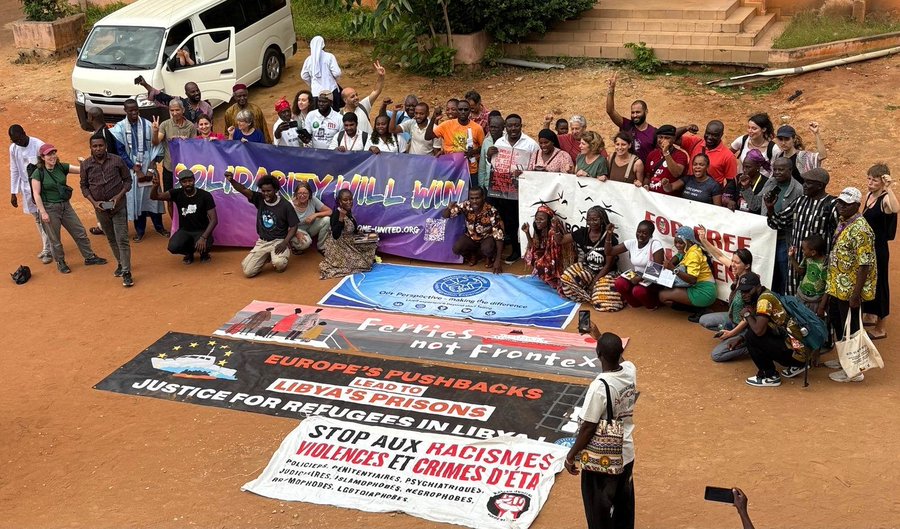
Fifty-eight organisations, movements and collectives have signed the Cotonou Manifesto for Freedom of Movement, calling for an end to the externalisation of border controls, the closure of detention centres and greater protection for people on the move.
The manifesto was developed collectively through the Migration Village at the recently held World Social Forum in Cotonou, Benin. It was authored and led by survivors of migration routes and supported by organisations working on migration, human rights and freedom of movement.
Titled “Our Bodies Are Not Your Borders,” the manifesto brings together victims, survivors, families, activists and organisations that said they were committed to dismantling what they described as a racist migration regime.
The signatories said many survivors had experienced deadly desert crossings, prisons, detention centres, deportation flights, pushbacks, racist attacks, abductions at sea, enslavement and other forms of inhumane treatment. They argued that the suffering and deaths of migrants had increasingly been used to justify restrictive migration policies.
The groups accused the European Union of being at the forefront of policies that externalise border controls into Africa, saying European governments have funded and supported governments, coastguards, militias, detention systems and surveillance infrastructure to prevent migrants from reaching European territory.
They specifically cited cooperation with countries including Tunisia, Libya, Morocco, Algeria, Niger, Mauritania and Senegal, arguing that such arrangements had transformed parts of Africa into places of detention and danger for migrants. Libya, they said, had become a “laboratory” for the system.
The manifesto also criticised the role of Frontex, accusing the European Border and Coast Guard Agency of contributing to pushbacks and facilitating the interception of refugee boats. It further criticised what it described as the extension of Europe’s migration security apparatus into African countries.
The organisations also expressed concern about the role of international agencies, including the International Organisation for Migration and UNHCR, arguing that terms such as “risk analysis,” “border management” and “voluntary return” can conceal policies aimed at tracking, containing and deporting migrants before they reach their intended destinations.
African governments were also criticised. The signatories said African states could not continue portraying themselves solely as victims of European migration policies while accepting funding to police Europe’s borders and participating in the detention, deportation and abandonment of Africans on the continent.
They also accused the African Union of failing to adequately respond to the treatment of African migrants and said the continent’s commitment to free movement remained severely restricted.
The manifesto called for an end to the externalisation of border control, the closure of detention and so-called return centres, and effective access to asylum. It also urged states to honour international human rights and refugee protection commitments and called for survivors and families of migrants who died along migration routes to participate in institutions and negotiations affecting their lives.
The signatories further called for freedom of movement and the right of people to choose where they live and travel safely. They demanded the abolition of visa systems, arguing that these systems disproportionately burden people from the Global South.
According to the manifesto, freedom of movement would promote economic, social and cultural ties between countries and peoples, while strengthening women’s and gender minorities’ ability to seek safety and freedom. The signatories also linked free movement to Pan-African unity and decolonisation.
The groups said migrants and their allies would continue building transnational networks and solidarity structures to challenge restrictive border systems and support people on the move.
The manifesto concluded with a series of declarations, including: “Our forced migration is not your invasion,” “Human beings are not your bargaining chips,” “Our bodies are not Europe’s borders,” and “Our lives are not Africa’s currency.”
Among the 58 signatories are Refugees in Libya, WatchTheMed Alarm Phone, Migreurop, SOSAPROFEM, Southern Africa Migration Network, Voice of Migrants Association, Female Returned Migrant Network, Migrants Lives Matter, Advocates Female Migrants Initiative and several other African, European and international organisations.
The manifesto said the Migration Village at the World Social Forum in Cotonou represented another step toward strengthening cooperation among movements and survivors in the continuing campaign for freedom of movement.
The manifestor was authored and led by survivors.
Supported by the following organizations, movements and collectives:
1. Advocates Female Migrants initiative (Nigeria)
2. Afrique-Europe Interact (transnational network)
3. Al Bawsala (Tunisia)
4. Alarme Phone Sahara
5. Alerte Migration Afrique (Burkina Faso)
6. Arab and Muslim Ethnicities and Diasporas Studies Program, San Francisco State University (USA)
7. Association des Mères des Disparus en Tunisie (Tunisia)
8. Association Éducation Togo (AET, Togo)
9. Association Malienne des Expulsés (AME, Mali)
10. Association Marocaine d’aide aux migrants en situation vulnérable (AMSV, Morocco)
11. Association Marocaine des droits humains (AMDH, Morocco)
12. Association Mauritanienne pour la Citoyenneté et le Développement (AMCD, Mauritania)
13. Association Nationale des Partenaires Migrants (ANPM, Senegal)
14. Association Togolaise des Expulsés (ATE, Togo)
15. Boza Fii (Senegal)
16. Caritas Dakar/PARI (Senegal)
17. Confédération générale autonome des travailleurs en Algérie (CGATA, Algeria)
18. Citoyennes Citoyens Debout Mauritanie (CCD, Mauritania)
19. Climáximo (Portugal)
20. Collective Against the Criminalization of Solidarity and Civic Engagement in Tunisia
21. Conseil des Migrants Subsahariens au Maroc (CMSM, Morocco)
22. CRID (France)
23. Direy Ben Gao/ RMSM (Mali)
24. Ebrima Migrant Situation Foundation (Gambia)
25. Female Returned Migrant network – FREMNET (Nigeria)
26. 50 Out of Many (Greece)
27. Groupe solidarité des groupements féminins au Togo
28. Jeunesses Nigérienne au Service du Développement Durable (JNSDD AIKIN KASA) (Niger)
29. KISA – Equality, Support, Antiracism (Cyprus)
30. Medico International
31. Mediterr
32. Migrants Lives Matter (Nigeria)
33. Migreurop (Euro-African network)
34. MV Louise Michel project
35. Network of Ex-Asylum Seekers – NEAS (Sierra Leone)
36. Network of People with Migration Experience (Nigeria)
37. Nomad 08 (Tunisia)
38. OGLMI – Terre de Liberté (Guinea)
39. ONG Opinion Éclairée (Ivory Coast)
40. ONG UNION FAIT LA FORCE (Benin)
41. Palestinian NGOs Network
42. Refugees in Libya (RiL)
43. Réseau Maghreb Sahel sur les Migrations
44. Réseau ROA-PRODMAC (African network)
45. Riposte internationale (Algeria)
46. Right2Protest Project Africa
47. Rootstv.tn (Tunisia)
48. Solidarités Asie France (SAF)
49. SOSAPROFEM (Senegal)
50. Southern Africa Migration Network (SAMIN)
51. Teaching Palestine: Pedagogical Praxis and the Indivisibility of Justice
52. trans-border.net Editorial Team
53. Un Monde Avenir (Cameroon)
54. Voice of Migrants Association – VOMA (Nigeria)
55. Voice of Talia Initiative Foundation (Nigeria)
56. WatchTheMed Alarm Phone
57. Welcome to Europe
58. We`ll Come United (Germany)
Uncategorized
Venezuela: IOM delivers support via in-kind cargo flight funded by DHL’s Disaster Response Team
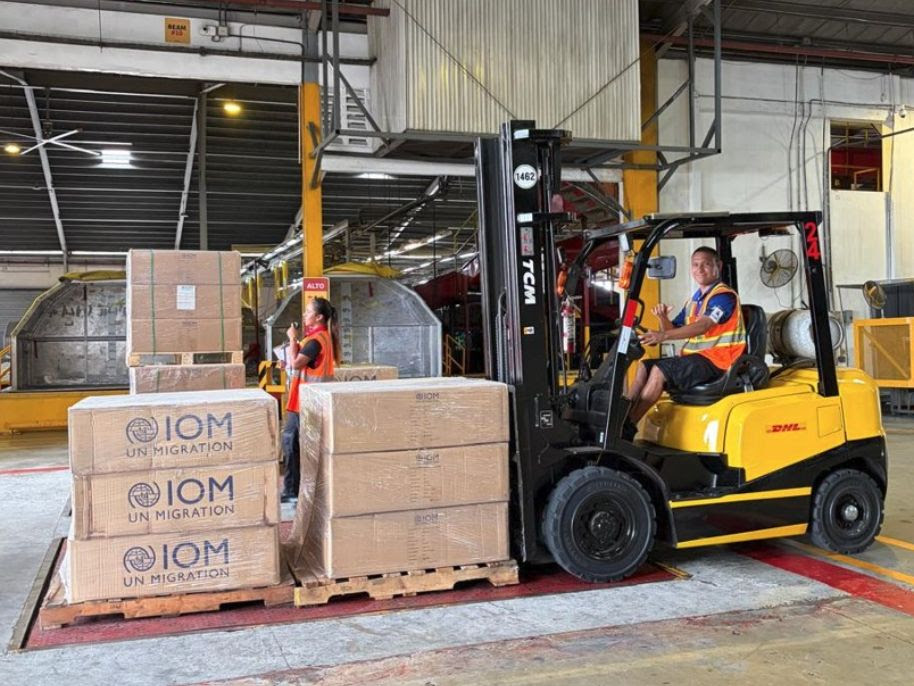
UN agency, the International Organization for Migration (IOM) has airlifted core relief supplies to support affected communities in Venezuela following the devastating earthquake on 24 June 2026, which caused widespread damage and urgent humanitarian needs.
“For families dealing with the aftermath of an earthquake, whether and when they receive initial assistance can make a big difference for how they are able to recover,” said Kim Eling, IOM Senior Director for Strategy and External Engagement. “Our partnership with DHL demonstrates how strategic collaboration with the private sector can help humanitarian organizations deliver essential assistance more quickly, ensuring affected communities receive the support they need when every moment counts.”
The humanitarian cargo was transported from IOM’s global stocks hub in Panama to Caracas on an in-kind cargo flight arranged and funded by DHL’s Disaster Response Team. The flight arrived at Simón Bolívar International Airport on 7 July 2026, carrying essential relief items, including jerry cans, solar lamps, and indoor privacy partitions, to support emergency shelter operations.
The movement was coordinated through close collaboration between IOM, the Government of Venezuela, and the United Nations Humanitarian Response Depot (UNHRD) in Panama. This joint effort enabled efficient planning, rapid execution, and timely delivery of assistance to communities most affected by the earthquake.
IOM sincerely thanks DHL’s Disaster Response Team for its generous in-kind logistics support, which was vital to the rapid mobilization and transport of IOM humanitarian supplies during this critical emergency.
This operation highlights IOM’s continued commitment to preparedness, rapid emergency response, and effective humanitarian supply chain coordination, using strategic partnerships and global prepositioning capacities to deliver life-saving assistance to crisis-affected populations.

Le Jamboree et le Fonds du réexode : une promesse échouée de réintégration des migrants de retour

The Jamboree and Re-Exodus Fund: A Failed Reintegration Promise for Returnee Migrants

Nigeria makes case for global migration

Osemene promet un leadership inclusif et une action renforcée contre la traite en tant que président élu de NACTAL

Osemene pledges inclusive leadership, stronger anti-trafficking action as NACTAL President-Elect
-
 News2 weeks ago
Senegalese activist turns brother’s death on Atlantic migration route into campaign for change
-
 Features1 week ago
How WSF changed ways participants see migration
-
 Features1 week ago
Reintegration or a facade? Nigerian returnees challenge promise of starting again
-

 Features1 week ago
Giving migrants a voice: How Alia is turning lived experience into action
-
Features1 week ago
Donner une voix aux migrants : comment Alia transforme l’expérience vécue en action
-
 News7 days ago
Osita Osemene emerges NACTAL president with 95.65% votes
-

 Interviews3 weeks ago
Abdulai Daramy’s traumatic deportation raises concerns over US deal
-
 Features1 week ago
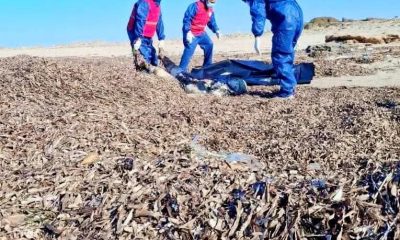
FSM : des participants nigérians et sénégalais pleurent des proches portés disparus ou décédés