
News
António Guterres condemns ‘devastating strike’ on Gaza school


António Guterres, the UN Secretary-General , has deplored a deadly weekend attack on a Gaza school-turned-shelter, his Office said today, August 12, 2024.
“The Secretary-General condemns the continued loss of life in Gaza, including women and children, as we witness yet another devastating strike by Israel on the Al-Taba’een school in Gaza City, sheltering hundreds of displaced Palestinians families, with scores of fatalities, amidst continued horror, displacement, and suffering in Gaza,” said UN Deputy Spokesperson Farhan Haq.
The incident occurred on Saturday and at least 100 people were killed, according to international media reports, which cited the Gaza health authorities.
Local hospital ‘overwhelmed’
At the time of the attack, people were performing the dawn prayer at the school’s prayer hall.
Casualties were brought to Al Ahli hospital – among the 16 hospitals that remain only partially functional in the Gaza Strip – which is “overwhelmed by this mass casualty incident amid shortages of medications, clean water and beds,” Mr. Haq told journalists.
Humanitarian partners on the ground helped families who returned to the school, providing drinking water, food parcels, hot meals, hygiene kits and clothing, as well as psychological first aid and psychosocial support activities for children and their parents.
According to the UN human rights office, OHCHR, this is at least the 21st strike on a school, each serving as a shelter, since 4 July, which have resulted in at least 274 fatalities, including women and children.
Implement resolution on ceasefire deal
Mr. Haq said the Secretary-General was dismayed to see that provisions of UN Security Council resolution 2735 (2024) remain unimplemented.
Adopted in June, the resolution proposes a comprehensive three-phase ceasefire deal between Hamas and Israel to end the war in Gaza, now in its 10th month.
The first phase would include an immediate, full and complete ceasefire with the release of hostages; the return of the remains of some hostages who have been killed, the exchange of Palestinian prisoners, withdrawal of Israeli forces from populated areas in Gaza, the return of Palestinian civilians to their homes, and the safe and effective distribution of humanitarian assistance at scale throughout the enclave.
The second phase calls for a permanent end to hostilities in exchange for the release of all other hostages in Gaza and a full withdrawal of Israeli forces from the area, while phase three would see the start of a major multi-year reconstruction plan for Gaza and the returns of the remains of any deceased hostages still there to their families.
Mediation efforts welcomed
Mr. Haq said the UN chief welcomes the mediation efforts of the United States, Egypt, and Qatar leaders, and urges both sides to rejoin negotiations and conclude the ceasefire and hostages release deal.
Mr. Guterres reiterated his urgent appeal for an immediate ceasefire and the unconditional release of all hostages, while again underscoring the need to ensure both the protection of civilians and unimpeded and safe humanitarian access into and across Gaza.
“The Secretary-General underlines that international humanitarian law, including the principles of distinction, proportionality, and precautions in attack, must be upheld at all times,” he concluded.
Re-commit to the ‘Rules of War’: UNRWA chief
Separately, the head of the UN Palestine refugee agency, UNRWA, upheld the need to protect civilians, civilian infrastructure, detainees and humanitarians amid armed conflict.
Writing on the social media platform X, UNRWA Commissioner-General Philippe Lazzarini recalled that Monday marked 75 years since the Geneva Conventions – “the universal ‘Rules of War’” – were put in place to protect civilians caught in the crosshairs.
Mr. Lazzarini said the Geneva Conventions are “the one set of rules we ‘all agree on’”, though he questioned if that indeed were the case.
“In the past 10 months, these rules have been blatantly broken day in, day out in Gaza by the Israeli Forces as well as the Palestinian armed groups including Hamas,” he said.
“More concerning, Member States – party to the Geneva Conventions – have failed in their responsibilities to respect the conventions and ensure that parties to the conflict respect them under all circumstances.”
Legal compass
Mr. Lazzarini warned that “our shared values enshrined in the Conventions are at stake as is our shared humanity.”
He stressed that it is time to re-instate those values and re-commit to the Geneva Conventions.
“They are the compass of international humanitarian law,” he said. “The basics still apply: Civilians, women, children, detainees must be protected. Schools, hospitals, people’s homes, humanitarian and UN staff, facilities and operations must be protected.”
Find out more about the Geneva Conventions in our explainer outlining what international humanitarian law is and why it matters.
Latest evacuation orders
Meanwhile, the UN Office for the Coordination of Humanitarian Affairs (OCHA) said the Israel military issued two evacuation orders over the weekend for Khan Younis, mostly for areas that were previously placed under evacuation.
Initial mapping indicates that the areas affected encompass about 23 displacement sites, 14 water, sanitation and hygiene facilities, and four educational facilities.
In total, about 305 square kilometres, or nearly 84 per cent of the Gaza Strip, have been placed under evacuation orders since war erupted last October.
Additionally, the UN Satellite Centre (UNOSAT) recently reported that 63 per cent of all structures in Gaza have been damaged or destroyed.
“Once again, we call for all parties to the conflict to respect their obligations under international humanitarian law, including by taking constant care to spare civilians and civilian objects,” OCHA said.
“This includes allowing civilians to leave for safer areas and allowing their return as soon as circumstances allow. People must be able to receive humanitarian assistance, whether they move or stay.”
Lebanon deaths rising
The humanitarian agency also expressed deep concern over the increasing number of civilian deaths and rising displacement in Lebanon, amid escalating hostilities between Hezbollah and Israel.
Over the past month, the numbers of civilians killed has increased by 20 per cent – to a total of 120 since October. Nearly half were women and girls.
Furthermore, civilian infrastructure has been repeatedly targeted. More than a dozen water stations have been damaged, with four now non-functional, according to the UN Children’s Fund (UNICEF). The situation is affecting access to safe drinking water for more than 200,000 people.
UN agencies and partners continue to scale up relief efforts, in support of the Government-led response.
The World Health Organization (WHO) recently delivered 32 tonnes of trauma and emergency surgical kits, as well as medications.
Similarly, UNICEF has distributed 65 tonnes of emergency kits, including medications and medical supplies, as part of their efforts to pre-position critical assistance.
The UN Security Council is due to meet once again to discuss the continuing crisis in Gaza on Tuesday afternoon in New York.





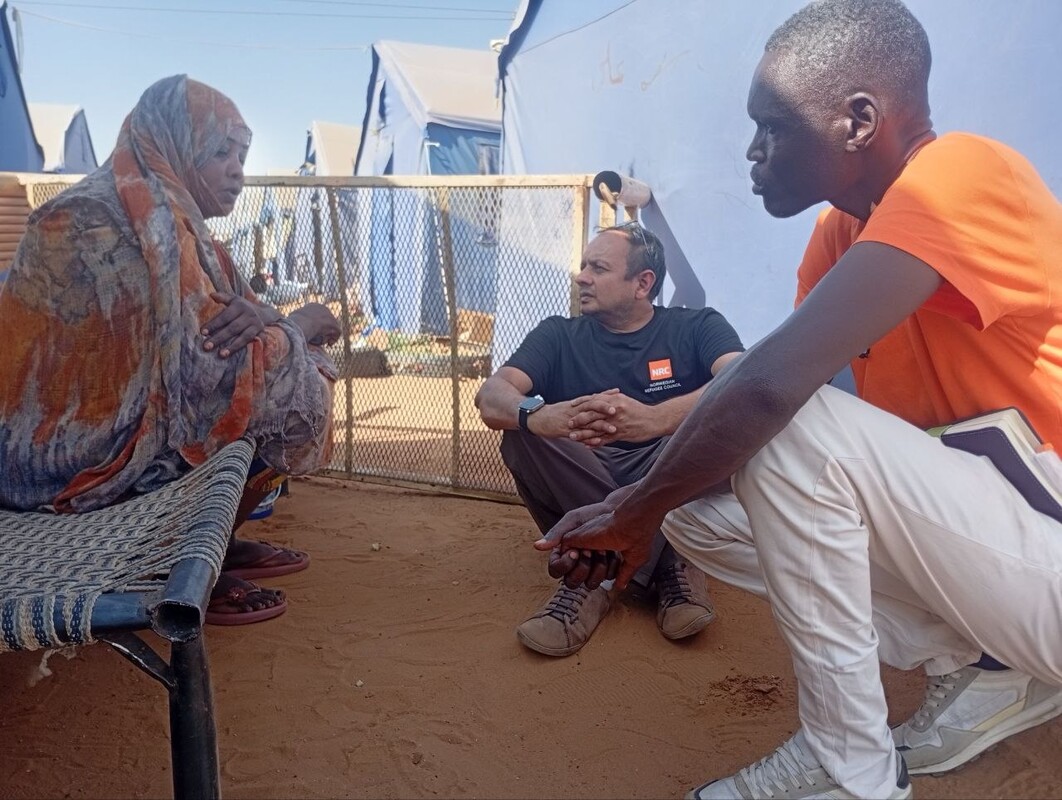
Les enfants d’El-Obeid, dans l’État du Kordofan du Nord, sont de plus en plus exposés aux menaces liées aux drones qui survolent la ville, contraignant les écoles à suspendre les cours et perturbant l’accès à l’éducation, a alerté le Conseil norvégien pour les réfugiés (NRC).
Shashwat Saraf, directeur pays du NRC au Soudan, a tiré la sonnette d’alarme après une visite dans la ville cette semaine. Il a indiqué que les élèves et les enseignants peinaient à poursuivre les activités scolaires en raison de la dégradation de la situation sécuritaire.
« J’ai visité une école où les enseignants m’ont expliqué qu’ils étaient contraints de suspendre régulièrement les cours à cause des drones qui survolent les environs », a déclaré M. Saraf.
« Il est révoltant que des enfants soient confrontés à de telles situations alors qu’ils cherchent simplement à accéder à l’éducation. Ils ne devraient pas avoir à faire preuve de courage simplement pour aller à l’école », a-t-il ajouté.
Selon le NRC, ses centres d’apprentissage à El-Obeid accueillent plus de 5 500 élèves, tandis que de nombreuses autres familles cherchent encore à inscrire leurs enfants.
En collaboration avec son partenaire, l’Organisation Al-Salam pour la réhabilitation et le développement (AORD), l’organisation aide les enfants à rattraper les cours manqués et à gérer la peur et le stress liés au conflit.
Ces dernières semaines, des drones ont frappé à plusieurs reprises des sites civils à El-Obeid, notamment un dortoir universitaire, un abri destiné aux familles déplacées ainsi que des entrepôts situés dans la localité de Sheikan. Ces derniers contenaient plus de 330 000 manuels scolaires.
La ville compte plus de 500 000 habitants, parmi lesquels des dizaines de milliers de personnes déplacées par les combats dans d’autres régions du Kordofan et du Soudan.
« Les lieux où les gens dorment ont été frappés depuis les airs, tout comme les livres dont les enfants ont besoin pour apprendre », a déclaré M. Saraf.
Il a ajouté que ces attaques plongeaient les familles dans l’incertitude quant à leur sécurité, tandis que la hausse des prix et l’accès limité à l’eau potable, à des installations sanitaires sûres et à des abris adéquats aggravaient leurs conditions de vie.
« Après chaque attaque, les familles se demandent ce qui sera frappé ensuite », a-t-il souligné.
Le NRC a également attiré l’attention sur les conditions difficiles des élèves d’une école pour filles à El-Obeid. L’établissement compte environ 1 200 élèves, mais ne dispose que de trois salles de classe utilisables.
« Pour entrer dans l’une des salles de classe, il fallait essayer de ne pas se marcher les uns sur les autres », a raconté M. Saraf.
L’organisation a construit deux salles de classe supplémentaires et des toilettes dans cette école. Elle a également fourni du matériel pédagogique et formé des enseignants afin qu’ils puissent mieux accompagner les enfants touchés par le conflit.
Toutefois, M. Saraf a estimé que ces interventions demeuraient insuffisantes face à l’ampleur croissante des besoins.
« Les enfants sont prêts, les enseignants sont prêts et les parents sont prêts. Ce qui leur manque, c’est la certitude qu’une journée d’école puisse simplement se dérouler normalement, sans avoir à écouter les drones ni à se demander à quel moment les cours devront être interrompus », a-t-il déclaré.
Au-delà du secteur de l’éducation, le NRC a apporté une aide financière à 4 000 ménages et distribué 3 000 kits contenant des articles d’hygiène et des fournitures pour les abris. Ces kits comprennent notamment des couvertures, des bâches en plastique, des nattes de couchage, des bidons d’eau et des lampes solaires.
L’organisation prévoit également de soutenir des initiatives communautaires afin de renforcer les efforts des habitants qui viennent déjà en aide aux familles touchées par la crise.
Le NRC a indiqué que son plan d’intervention sur 12 mois à El-Obeid nécessitait un financement de 7,1 millions de dollars pour venir en aide à 107 000 personnes. Cependant, 65 % des fonds nécessaires restent à mobiliser.
M. Saraf a appelé les parties au conflit à protéger les civils et les infrastructures essentielles, rappelant que les attaques contre les populations civiles et les infrastructures dont elles dépendent sont interdites par le droit international humanitaire.
« Les parties à cette guerre doivent protéger les écoles, les habitations, les abris et les marchés, et maintenir les équipements militaires à l’écart des zones civiles », a-t-il déclaré.
Il a également exhorté les bailleurs de fonds à débloquer d’urgence des ressources pour les programmes d’accès à l’eau, d’hébergement et d’éducation, afin de garantir aux personnes déplacées et aux communautés d’accueil d’El-Obeid l’accès à une assistance essentielle.
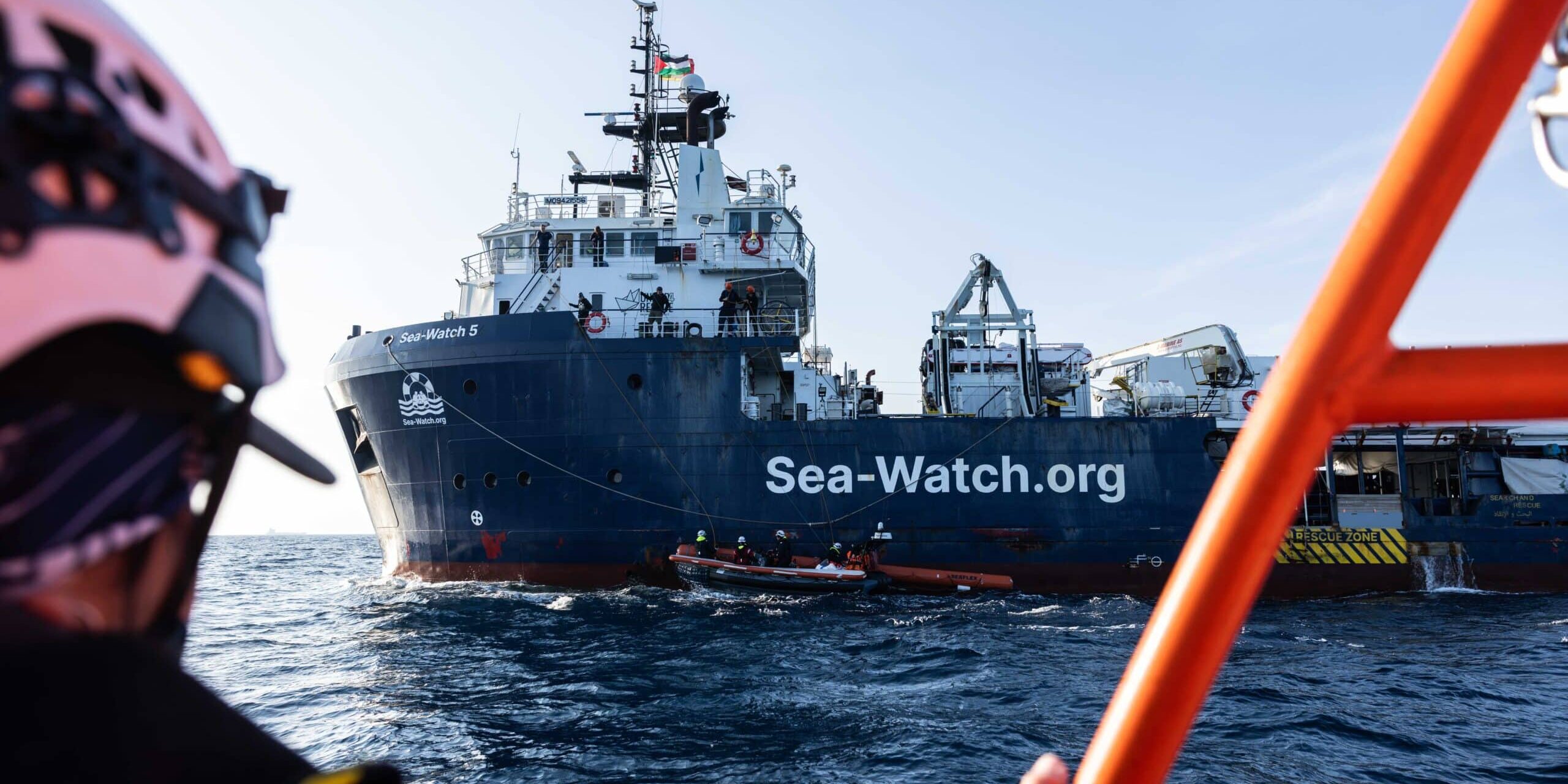
Sea-Watch, une organisation non gouvernementale allemande spécialisée dans le sauvetage civil en mer, affirme que ses navires ont secouru 227 personnes à bord d’embarcations en détresse en Méditerranée centrale en l’espace de 48 heures.
Les opérations de sauvetage ont été menées par le Sea-Watch 5 et l’Aurora 2 entre l’après-midi du dimanche 11 octobre et la soirée du lundi 12 octobre 2026, selon un communiqué publié par l’organisation le 13 octobre.
Les personnes secourues se trouvaient à bord de cinq embarcations en détresse dans les eaux internationales. Au cours des opérations, les deux équipages ont également repéré des navires non identifiés qui s’approchaient de leurs bateaux de sauvetage.
Lors d’un incident, un individu s’identifiant par radio comme appartenant à la marine libyenne a menacé de poursuivre l’équipage du Sea-Watch 5 à Tripoli s’il ne quittait pas une zone réglementée située à proximité d’une plateforme pétrolière offshore.
La porte-parole de Sea-Watch, Julia Winkler, s’est réjouie du succès des opérations de sauvetage, tout en critiquant les autorités italiennes pour avoir assigné au Sea-Watch 5 un port éloigné.
« Nous sommes extrêmement heureux que 227 personnes aient survécu à cette traversée dangereuse. Le sauvetage de 227 personnes en 48 heures montre à quel point les navires de sauvetage sont indispensables », a déclaré Julia Winkler.
Elle a estimé que la décision des autorités italiennes d’orienter le navire vers Civitavecchia, à environ 900 kilomètres de distance, réduirait considérablement sa capacité à mener de nouvelles opérations de sauvetage.
« Réduire délibérément les capacités de sauvetage est un choix politique aux conséquences meurtrières », a-t-elle ajouté.
Selon l’organisation, le Sea-Watch 5 a secouru 151 personnes au cours de trois opérations distinctes.
Dimanche, son équipage a sauvé 28 personnes à bord d’une embarcation en train de couler, après avoir reçu une alerte d’un avion exploité par SOS MEDITERRANEE, une autre organisation humanitaire spécialisée dans le sauvetage en mer.
L’équipage a ensuite secouru 51 autres personnes à la suite d’une alerte d’Alarm Phone, une ligne téléphonique d’urgence qui vient en aide aux personnes en détresse lors des traversées maritimes. Avant cette deuxième opération, un navire non identifié a tourné à plusieurs reprises autour du Sea-Watch 5.
Lundi matin, l’équipage a reçu une alerte concernant une autre embarcation en détresse dans une zone réglementée située à proximité d’une plateforme pétrolière offshore.
Après qu’un navire de ravitaillement associé à la plateforme eut autorisé le Sea-Watch 5 à pénétrer dans la zone pour porter assistance aux personnes en détresse, un individu se présentant comme appartenant à la marine libyenne a ordonné au navire de sauvetage de quitter les lieux.
Cet individu a menacé de traduire l’équipage devant un tribunal à Tripoli s’il ne se conformait pas à cet ordre. L’équipage de Sea-Watch est finalement parvenu à désamorcer la situation et à secourir les 72 personnes qui se trouvaient à bord de l’embarcation.
De son côté, l’Aurora 2 a secouru 76 personnes au cours de deux opérations menées lundi.
Lors de la première opération, une embarcation grise en fibre de verre, non identifiée et transportant quatre personnes, s’est approchée de très près du navire de sauvetage sans entrer en contact avec lui.
Plus tard dans la soirée, l’Aurora 2 a porté assistance à une autre embarcation en détresse en contribuant à la stabiliser jusqu’à l’arrivée des garde-côtes italiens, qui ont pris en charge les personnes à bord.
Alors que les autorités italiennes avaient assigné le port de Civitavecchia au Sea-Watch 5, l’Aurora 2 a été dirigé vers l’île de Lampedusa, où il est arrivé vers 21 h 30.
Sea-Watch a indiqué que l’Aurora 2 n’aurait pas été en mesure de rejoindre un port plus éloigné en raison de ses réserves limitées de carburant.
Ces opérations de sauvetage interviennent dans un contexte de préoccupations persistantes concernant les décès et les disparitions de migrants le long des routes migratoires en Méditerranée.
Selon le Projet sur les migrants disparus de l’Organisation internationale pour les migrations (OIM), au moins 1 982 personnes sont mortes ou ont disparu en Méditerranée depuis le début de l’année 2026.
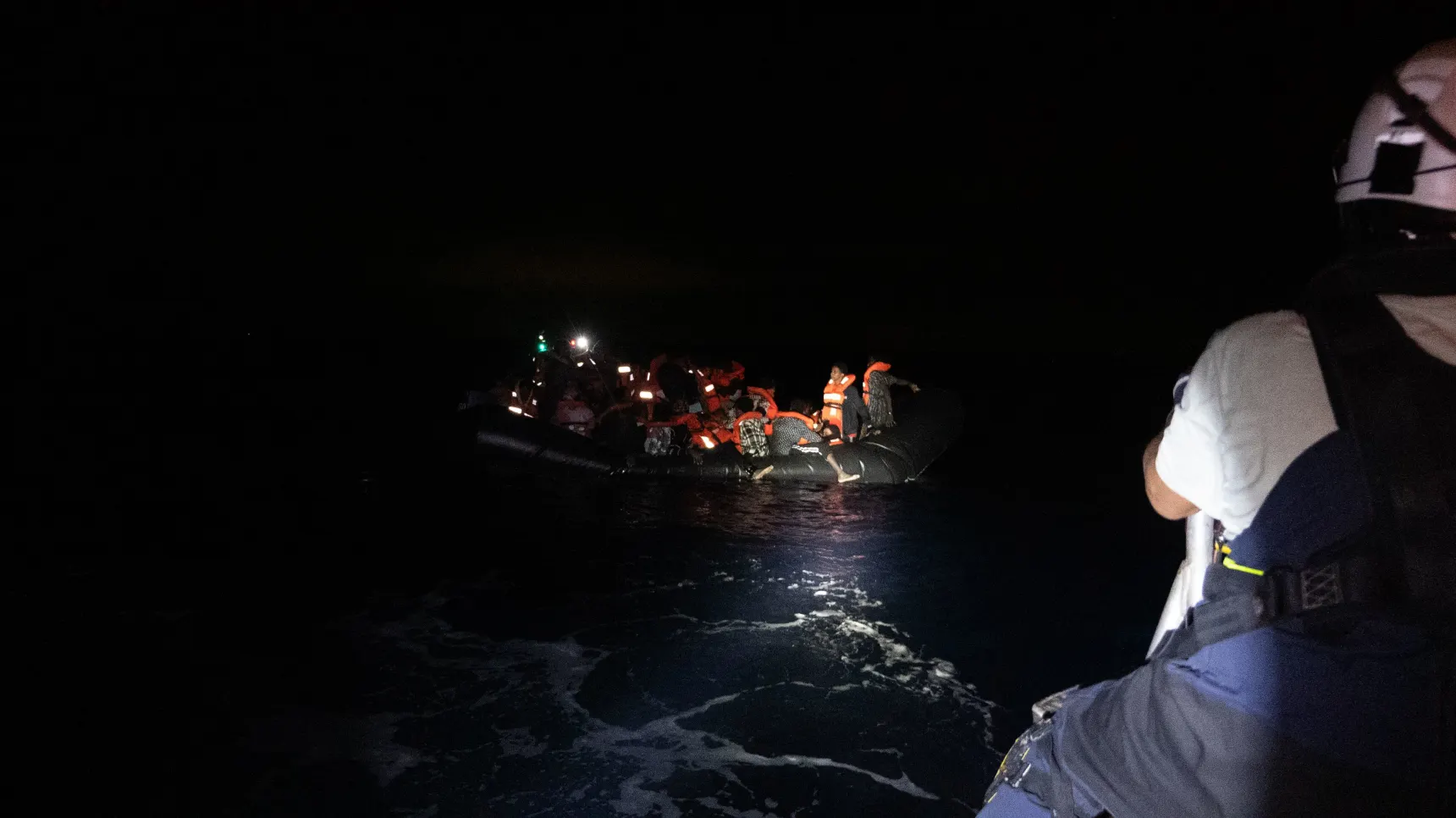
Sea-Watch, a German non-governmental organisation involved in civilian sea rescue, says its vessels rescued 227 people from boats in distress in the central Mediterranean within 48 hours.
The rescues were carried out by the Sea-Watch 5 and Aurora 2 between Sunday afternoon, October 11, and Monday evening, October 12, 2026, according to a statement issued by the organisation on October 13.
The rescued people were found aboard five boats in distress in international waters. During the operations, both crews also encountered unidentified vessels approaching their rescue ships.
In one incident, an individual identifying itself over the radio as the Libyan Navy threatened to prosecute the Sea-Watch 5 crew in Tripoli if they failed to leave a restricted area near an offshore oil platform.
Sea-Watch spokesperson Julia Winkler welcomed the successful rescue operations but criticised Italian authorities for assigning the Sea-Watch 5 a distant port.
“We are incredibly happy that 227 people survived the dangerous journey. The rescue of 227 people in 48 hours shows how urgently rescue ships are needed,” Winkler said.
She said the Italian authorities’ decision to direct the vessel to Civitavecchia, approximately 900 kilometres away, would significantly reduce its ability to carry out further rescue operations.
“Deliberately reducing rescue capacity is a political choice with deadly consequences,” she added.
According to the organisation, the Sea-Watch 5 rescued 151 people in three separate operations.
On Sunday, its crew rescued 28 people from a sinking boat after receiving an alert from an aircraft operated by SOS MEDITERRANEE, another humanitarian organisation involved in sea rescue.
The crew subsequently rescued another 51 people following an alert from Alarm Phone, a hotline that supports people in distress during sea crossings. Before the second operation, an unidentified vessel repeatedly circled the Sea-Watch 5.
On Monday morning, the crew received an alert about another boat in distress in a restricted area near an offshore oil platform.
After a supply vessel associated with the platform authorised the Sea-Watch 5 to enter the area and assist those in distress, an individual identifying itself as the Libyan Navy ordered the rescue ship to leave.
The individual threatened to bring the crew before a court in Tripoli if it failed to comply. The Sea-Watch crew eventually de-escalated the situation and rescued all 72 people aboard the boat.
Meanwhile, the Aurora 2 rescued 76 people in two operations on Monday.
During the first operation, an unidentified grey fibreglass boat carrying four people approached the rescue vessel closely without making contact.
Later that evening, the Aurora 2 assisted another boat in distress by helping to stabilise it until the Italian Coast Guard arrived and took the people aboard.
While Italian authorities assigned the Sea-Watch 5 to Civitavecchia, the Aurora 2 was directed to the island of Lampedusa, where it arrived at approximately 9:30 p.m.
Sea-Watch said the Aurora 2 would not have been able to reach a more distant port because of its limited fuel reserves.
The rescue operations come amid continued concerns over migrant deaths and disappearances along Mediterranean migration routes.
According to the International Organization for Migration’s Missing Migrants Project, at least 1,982 people have died or gone missing in the Mediterranean since the beginning of 2026.

Soudan : les attaques de drones perturbent les cours à El-Obeid, alerte le NRC

Sudan: Drone attacks disrupt school lessons in El Obeid- NRC

Sea-Watch secourt 227 migrants en Méditerranée en 48 heures

Sea-Watch rescues 227 migrants in Mediterranean within 48 hours

Un avocat ougandais exhorte l’UA à rejeter les accords migratoires avec l’Europe
-
 Features2 weeks ago
Gaza : Près de deux millions de personnes ont besoin d’une aide d’urgence en matière d’hébergement
-

 News Extra2 weeks ago
NACTAL conteste le rapport américain sur la traite des personnes et exige la reconnaissance des contributions des organisations de la société civile nigérianes
-
 News Extra2 weeks ago
Un avocat ougandais exhorte l’UA à rejeter les accords migratoires avec l’Europe
-
 News Extra1 week ago
Sudan: Drone attacks disrupt school lessons in El Obeid- NRC
-

 Features2 weeks ago
Nigerian immigrants face hidden mental health challenges despite success, expert warns
-
 Features2 weeks ago
Gaza: About two million need urgent shelter assistance
-

 News Extra2 weeks ago
NACTAL faults US trafficking report, demands recognition of Nigerian CSOs’ contributions
-

 News Extra2 weeks ago
US to deport fresh set of Nigerians over alleged criminal offences