
News Extra
Ukraine: IOM aims to aid two million people in 2025 as war, displacement continue


As the full-scale war in Ukraine approaches its fourth year, the International Organization for Migration (IOM) is appealing for USD 255 million to support two million war-affected people in the country in 2025.
Nearly a third of Ukraine’s population needs humanitarian support, and internally displaced persons and returnees are among the most vulnerable. According to the latest IOM report, nearly two-thirds of Ukraine’s 3.7 million internally displaced persons have been away from their homes for more than two years, and tens of thousands of people continue to leave their homes behind every month as they escape from frontline areas, primarily in the east and northeast of Ukraine.
Many of those displaced have depleted their savings and they lack income opportunities, making it difficult, if not impossible, for them to afford food, medicine and other essentials.
About 4.2 million people have returned from displacement, a quarter of them reported having returned from abroad. Compared to non-displaced people, returnees are more likely to spend their savings, accept low-paid jobs, and sell their belongings to meet basic needs.
IOM has been working in Ukraine and neighbouring countries to provide critical aid and other support that can enable communities impacted by the war to recover.
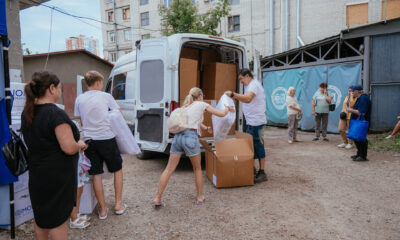
In Ukraine, IOM is helping to improve living conditions and ensure continued access to services by rehabilitating homes and social institutions, including health clinics and collective centres that are being used as temporary shelter sites. IOM is also donating medical equipment to hospitals, and providing mental health and psychosocial support to people in distress, among other initiatives. Over the past three years, more than six million people in Ukraine have benefitted, directly and indirectly, from IOM’s humanitarian interventions and recovery initiatives.
In countries that are hosting refugees from Ukraine, IOM supports governments, local authorities and civil society organizations with refugees’ inclusion into local communities, fostering their economic independence through language courses, skills development, and employment support. IOM also continues to address the basic needs – housing, food, clothes, medication, psychosocial support – of newly arriving Ukrainians or those who experience challenges in accessing government assistance. Since February 2022, over 980,000 refugees in neighbouring countries have received direct support and two million people indirectly benefitted from IOM aid.
IOM and its local partners in Ukraine have also helped over 37,000 survivors of human trafficking, exploitation, and war-related human rights violations such as torture, arbitrary detention, and war-related violence. The aid provided includes medical and psychological support, shelter and food, and connecting survivors with dignified work.
IOM calls on donors and partners to continue contributing to longer-term solutions to reduce communities’ reliance on humanitarian aid in Ukraine and to prepare the ground for the next steps. Among the most pressing needs are repairing, restoring, and upgrading critical public infrastructure such as energy, water, sanitation, heating, shelter, and affordable housing, as well as creation and retainment of jobs.
Together with the international community IOM stands ready to continue providing support, for as long as is necessary, to all Ukrainians in need.









News Extra
Jeff Crisp s’interroge sur la participation de l’OIM au programme américain d’expulsions vers des pays tiers
L’expert en migration Jeff Crisp a remis en question la décision de l’Organisation internationale pour les migrations (OIM) de participer à la mise en œuvre d’un programme des États-Unis prévoyant l’expulsion de migrants vers des pays tiers.
Jeff Crisp a également exprimé ses préoccupations concernant ce qu’il a qualifié de programme de relocalisation à caractère racial visant les Sud-Africains blancs.
Dans une publication sur X, le 2 novembre, Crisp a déclaré qu’il cherchait à obtenir des éclaircissements sur la participation de l’OIM à ces deux programmes.
« J’essaie de comprendre la décision de l’OIM de participer à la mise en œuvre du programme américain d’expulsions vers des pays tiers, ainsi que de son programme de relocalisation à caractère racial destiné aux Sud-Africains blancs », a-t-il écrit.
Ses commentaires faisaient suite à une publication de la directrice générale de l’OIM, Amy Pope, qui évoquait l’importance de renforcer la confiance du public dans la gouvernance des migrations.
Dans son message, Amy Pope a déclaré que la confiance dans la gestion des migrations ne pouvait être instaurée uniquement à travers des faits et des chiffres. Elle a souligné la nécessité de garantir la transparence, la participation du public et la responsabilité dans les processus décisionnels des institutions.
« La confiance dans les migrations ne se construit pas uniquement à partir de faits et de chiffres. Elle se construit lorsque les populations comprennent les décisions, peuvent contribuer à leur élaboration et constatent que les institutions respectent leurs engagements », a-t-elle écrit.
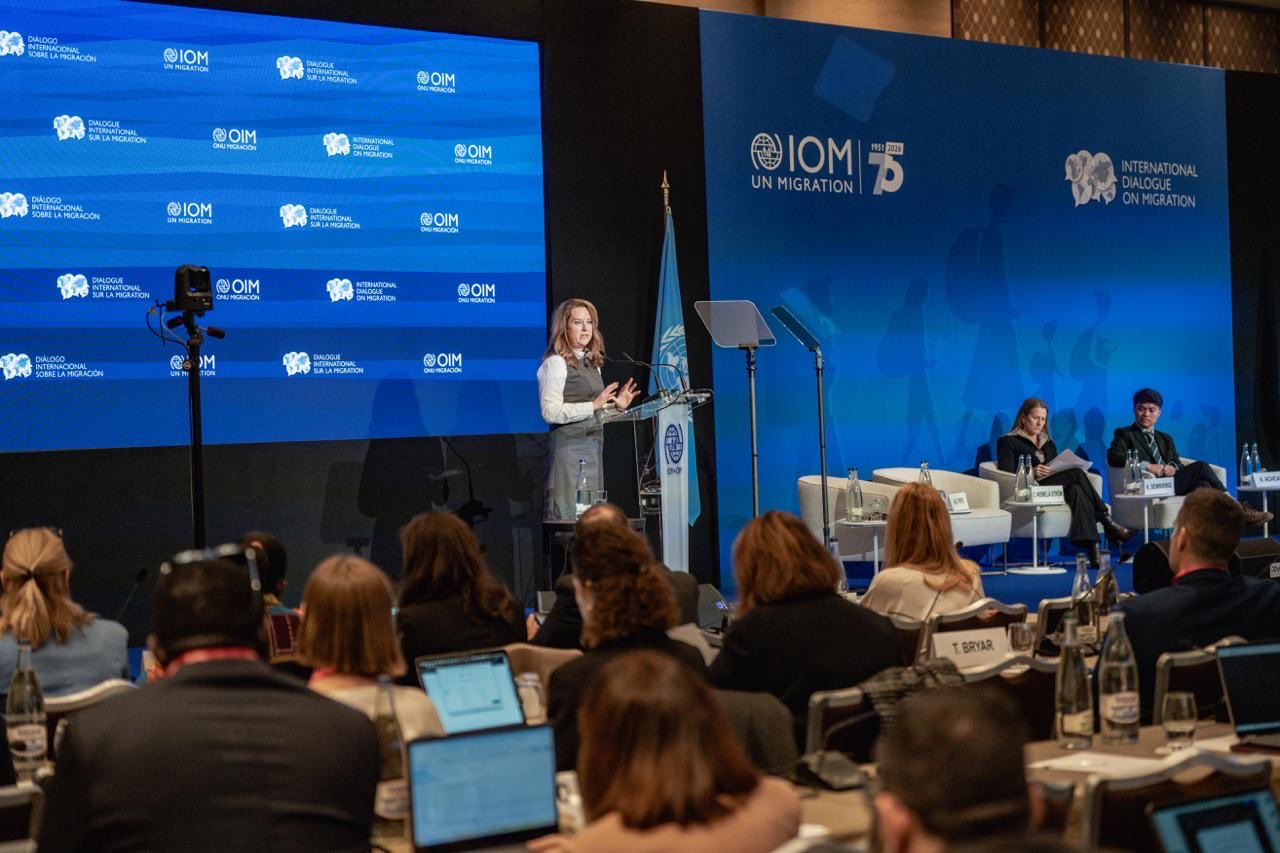
Amy Pope a ajouté que ces questions étaient au cœur des discussions lors du Dialogue international sur les migrations 2026 (#IDM2026), qui se tient à Genève.
La réaction de Crisp soulève des interrogations sur le rôle de l’OIM dans la mise en œuvre des politiques migratoires et des dispositifs d’expulsion promus par le gouvernement américain.
News Extra
Alarm Phone signale des appels de détresse de migrants au large de la Crète et le sauvetage de 53 personnes
L’organisation humanitaire Alarm Phone a fait état de plusieurs appels de détresse provenant de trois groupes de migrants qui tentaient de rejoindre la Grèce, dont 75 personnes bloquées en mer agitée au sud de la Crète.
Dans une série de publications sur X, l’organisation a indiqué que le groupe de 75 personnes se trouvait dans une situation de grande détresse, de l’eau s’infiltrant dans leur embarcation alors qu’elle dérivait au milieu de fortes vagues.
Alarm Phone a précisé que les migrants étaient pris de panique et a appelé les garde-côtes grecs à poursuivre les recherches, après que les autorités auraient déclaré ne pas avoir réussi à localiser l’embarcation, malgré la transmission de coordonnées actualisées.
Dans un autre incident signalé le 1er novembre, l’organisation a indiqué avoir reçu un appel de détresse de 53 personnes bloquées au sud de la Crète.
Selon Alarm Phone, elle avait alerté les garde-côtes grecs la veille au soir et avait été informée qu’une opération de recherche était en cours.
Le groupe aurait été privé de nourriture et d’eau potable dans l’attente des secours.
Cependant, l’organisation a indiqué par la suite que des proches des migrants l’avaient informée du sauvetage du groupe. Les garde-côtes grecs ont également confirmé avoir secouru une embarcation dans la zone.
Alarm Phone s’est réjouie de ce sauvetage, exprimant l’espoir que toutes les personnes à bord étaient saines et sauves.
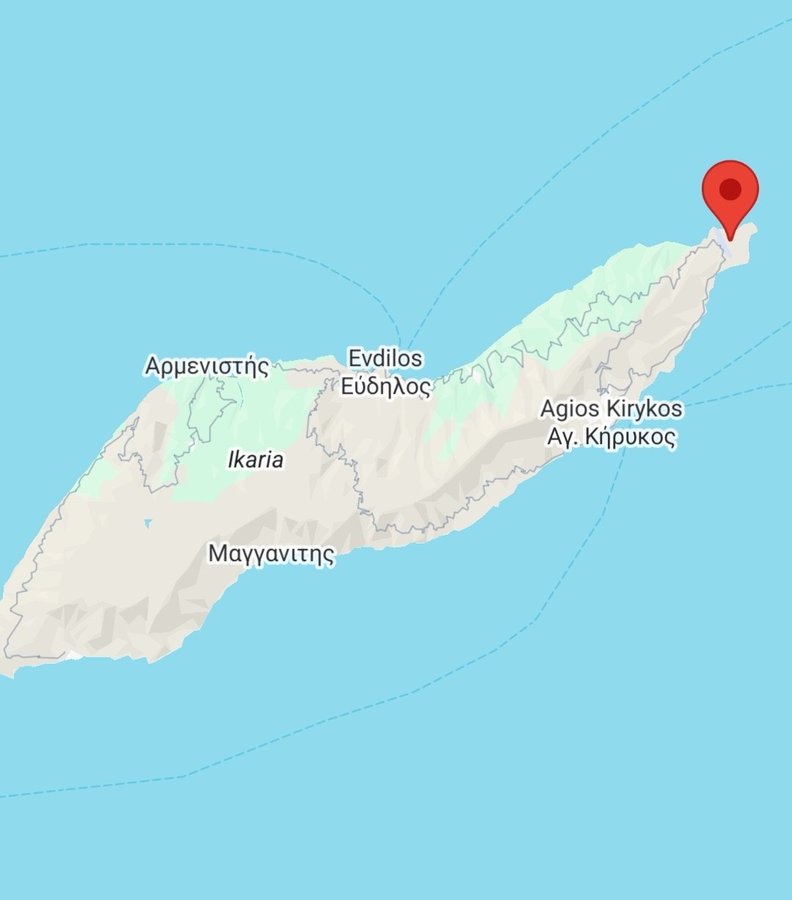
Dans un autre incident, l’organisation a signalé qu’environ 71 migrants, dont deux femmes enceintes et des enfants, avaient atteint l’île grecque d’Ikaria après l’avoir contactée alors qu’ils étaient encore en mer.
Le groupe aurait sollicité une assistance médicale urgente, Alarm Phone avertissant que plusieurs personnes vulnérables parmi les migrants nécessitaient une prise en charge immédiate.
L’organisation a ensuite indiqué avoir rétabli le contact avec les migrants, qui ont confirmé se trouver dans un commissariat de police sur l’île.
Alarm Phone leur a souhaité beaucoup de courage et de bonne chance pour la suite de leur parcours.
Ces incidents mettent en évidence les risques persistants auxquels sont confrontés les migrants qui tentent de traverser la mer dans des conditions dangereuses pour rejoindre les pays européens, particulièrement lorsque les conditions météorologiques sont défavorables.
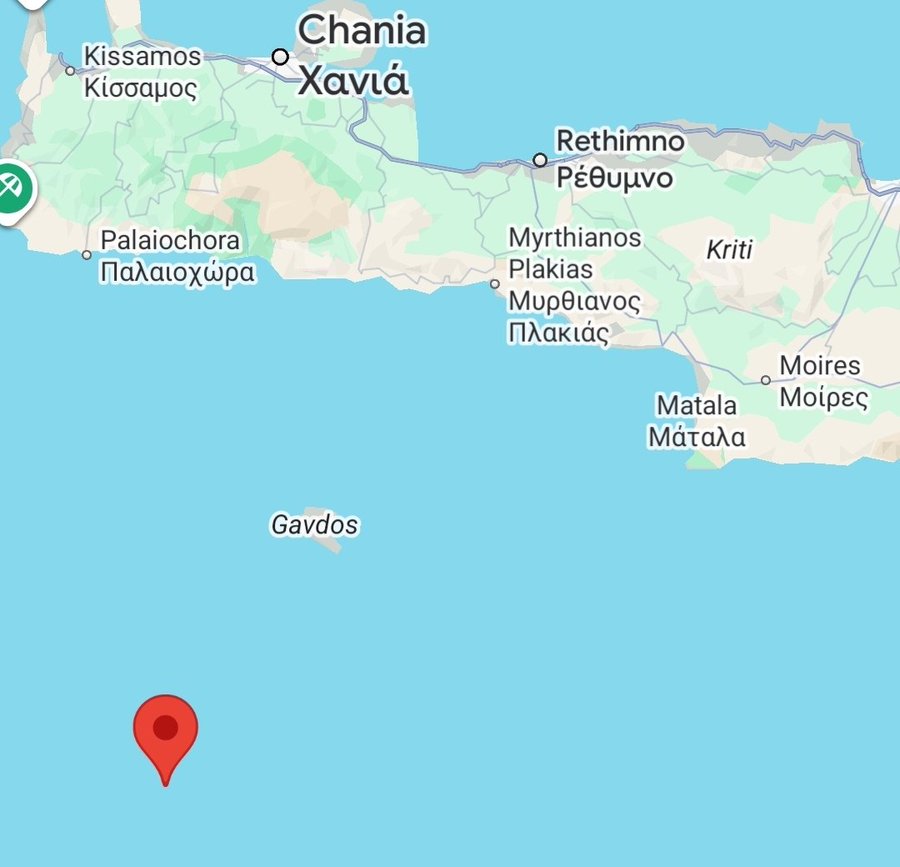
Humanitarian organisation Alarm Phone has reported receiving distress calls from three groups of migrants attempting to reach Greece, including 75 people stranded in rough seas south of Crete.
In a series of posts on X, the organisation said the group of 75 people was in severe distress, with water entering their boat as they drifted amid high waves.
Alarm Phone said the migrants were panicking and appealed to the Greek Coast Guard to continue searching for them after authorities reportedly said they had been unable to locate the boat, despite receiving updated coordinates.
In a separate incident reported on November 1, the organisation said it had received a distress call from 53 people stranded south of Crete.
According to Alarm Phone, it alerted the Greek Coast Guard the previous night and was informed that a search operation was underway.
The group was reportedly without food and drinking water while awaiting rescue.
However, the organisation later said relatives of the migrants informed it that the group had been rescued. The Greek Coast Guard also confirmed that it had rescued a boat in the area.
Alarm Phone expressed relief over the rescue and hoped that all those on board were safe.
In another incident, the organisation reported that approximately 71 migrants, including two pregnant women and children, had reached the Greek island of Ikaria after initially contacting it while still at sea.
The group reportedly requested urgent medical assistance, with Alarm Phone warning that several vulnerable people among them required immediate attention.
The organisation later said it had re-established contact with the migrants, who confirmed that they were at a police station on the island.
Alarm Phone wished them strength and good luck for the remainder of their journey.
The incidents highlight the continuing risks faced by migrants attempting dangerous sea crossings to reach European countries, particularly during periods of rough weather.

Niger : des réfugiés poursuivent leur manifestation devant le centre du HCR à Agadez

Refugees continue protest at UNHCR centre in Niger’s Agadez

Jeff Crisp s’interroge sur la participation de l’OIM au programme américain d’expulsions vers des pays tiers

Jeff Crisp questions IOM’s involvement in US third-country deportation programme

Alarm Phone signale des appels de détresse de migrants au large de la Crète et le sauvetage de 53 personnes
-

 News Extra1 week ago
IOM’s Displacement Tracking Matrix monitors 97.2 million people in 2025
-
 News1 week ago
Libya repatriates hundreds of migrants, deploys reinforcements to Tobruk
-
News1 week ago
Libye : des centaines de migrants rapatriés, des renforts déployés à Tobrouk
-
 News1 week ago
Ebola:DRC confirms 10,000 cases, NRC seeks scale-up
-
 News Extra1 week ago
La Matrice de suivi des déplacements de l’OIM a suivi 97,2 millions de personnes en 2025
-
 News Extra4 days ago
SOS Humanity accuses Frontex of aiding migrant pushbacks to Libya
-

 Features1 week ago
League of Arab States, IOM launch Arab Migration Data Network
-
 News1 week ago
Ebola : la RDC confirme 10 000 cas, le NRC appelle à un renforcement urgent de la réponse